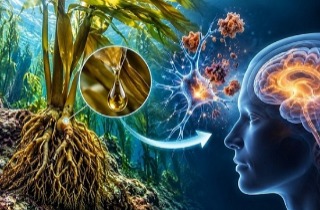
COVID-19 Causes Myelin Loss in the Brain, Resulting in Depression, Insomnia and Cognitive Issues Seen in Long COVID
Nikhil Prasad Fact checked by:Thailand Medical News Team Dec 18, 2025 9 months, 2 weeks, 3 days, 1 hour, 21 minutes ago
Medical News: New research is shedding troubling light on how brain damages due to COVID-19 are the cause behind people suffering from ongoing insomnia and depression after infection. Scientists have found that long COVID patients with sleep problems or mood disorders show measurable loss of myelin, the protective layer surrounding nerve fibers, along with clear declines in cognitive performance. This
Medical News report highlights findings that help explain why many long COVID sufferers struggle with memory, focus, and mental clarity long after the virus is gone.
 Long COVID patients with sleep and mood disorders show real brain damage linked to memory and
thinking problems
Understanding the Study and Who Was Involved
The study followed 76 long COVID patients and compared them with 22 healthy individuals who had never had COVID-19. Researchers divided patients into groups with insomnia only, depression only, both insomnia and depression, or long COVID without either condition. Advanced brain imaging and detailed cognitive testing were used to examine how the brain was affected months after infection. Blood samples were also analyzed to look for immune markers linked to nerve damage.
The research team came from Tomsk State University’s Research Institute of Biology and Biophysics, the Cancer Research Institute of the Tomsk National Research Medical Center of the Russian Academy of Sciences, Siberian State Medical University, the Mental Health Research Institute in Tomsk, the Medica Diagnostic and Treatment Center in Tomsk, and the University of Washington School of Medicine in the United States.
The Study Findings
The most striking finding was that long COVID patients with insomnia showed the greatest loss of myelin across many brain regions. These areas included pathways responsible for movement, attention, and communication between the brain’s left and right sides. The more severe the insomnia, the greater the myelin loss appeared to be.
Patients with depression also showed brain demyelination, but it was more limited and concentrated in regions linked to emotional control, decision making, and memory. Those with both insomnia and depression surprisingly had less widespread myelin loss, although they reported the most severe symptoms and performed poorly on certain memory tests.
Cognitive Problems Explained in Simple Terms
Cognitive testing revealed that different symptoms affected thinking in different ways. People with insomnia struggled more with attention, mental speed, and tasks requiring focus under pressure. Those with depression performed worse on tests measuring planning, task switching, and verbal processing. Patients with both conditions showed notable difficulty recalling words, even when given hints.
These findings suggest that insomnia and depression damage different brain networks, leading to distinct cognitive problems that patients often describe as brain fog.
t;
The Role of the Immune System
Blood tests revealed higher levels of antibodies that mistakenly target myelin proteins, especially in patients with insomnia. These immune markers were strongly linked to both ongoing symptoms and visible myelin damage on brain scans. This suggests that autoimmune reactions triggered by COVID-19 may continue attacking the nervous system long after the infection ends.
Interestingly, higher levels of antibodies against the SARS-CoV-2 spike protein were linked to less brain damage, hinting that a stronger protective immune response may reduce long-term neurological harm.
Why These Findings Matter
The study shows that long COVID is not just a collection of vague symptoms but involves measurable brain injury linked to sleep and mood disorders. Insomnia appears to be especially damaging, affecting large communication highways in the brain, while depression targets emotion-related circuits. Recognizing these differences may help doctors design more targeted treatments and encourage early intervention for sleep problems after COVID-19.
Conclusions
These findings provide strong evidence that insomnia and depression in long COVID are not merely psychological reactions but are associated with real biological changes in the brain. Persistent immune activity, myelin loss, and cognitive decline appear interconnected, underscoring the need for long-term neurological monitoring and personalized care strategies for long COVID patients experiencing sleep or mood disturbances.
The study findings were published in the peer reviewed International Journal of Molecular Sciences.
https://www.mdpi.com/1422-0067/26/24/12141
For the latest COVID-19 News, keep on logging to Thailand
Medical News.
Read Also:
https://www.thailandmedical.news/articles/coronavirus
https://www.thailandmedical.news/articles/long-covid




 Share
Share
 Tweet
Tweet
 Share
Share