Nikhil Prasad Fact checked by:Thailand Medical News Team May 24, 2026 3 months, 1 week, 2 days, 11 hours, 32 minutes ago
Medical News: New scientific findings are raising fresh concerns about the long-term safety of soybean oil, one of the most heavily consumed cooking oils in the modern world. Researchers are now warning that excessive intake of soybean oil may seriously disrupt gut health, weaken the body’s intestinal defenses, fuel chronic inflammation, and potentially increase susceptibility to inflammatory bowel disease.
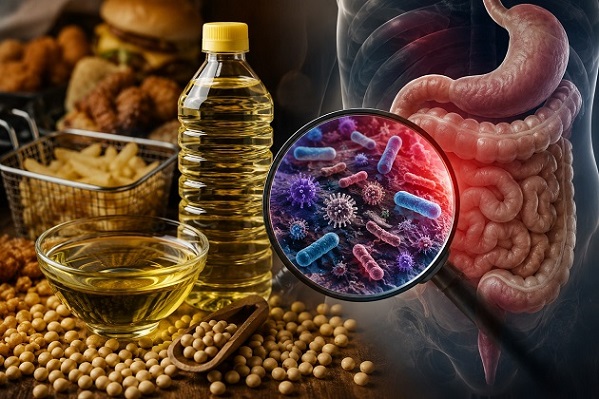 Scientists discover that excessive soybean oil consumption may damage gut bacteria, weaken intestinal barriers,
and promote chronic inflammation.
Scientists from the University of California, Riverside conducted a series of detailed investigations examining the effects of high soybean oil consumption on the intestines, immune system, metabolism, and gut bacteria in mice. Their findings paint a troubling picture of how diets overloaded with linoleic acid—the primary omega-6 fatty acid in soybean oil—may trigger widespread biological changes linked to disease.
Soybean oil is found in countless processed and restaurant foods across the United States and many other countries. It is commonly labeled simply as “vegetable oil” and is used extensively in deep-fried foods, packaged snacks, frozen meals, chips, fast foods, baked goods, sauces, salad dressings, and processed meats. Because of its low cost and neutral flavor, soybean oil has become deeply embedded in industrial food production over the last several decades.
Researchers noted that the dramatic rise in soybean oil consumption has closely paralleled the increasing incidence of inflammatory bowel diseases such as Crohn’s disease and ulcerative colitis.
Researchers Focused on Excess Linoleic Acid
The studies focused heavily on linoleic acid, which makes up approximately 55 percent of soybean oil. Linoleic acid is considered an essential fatty acid because the human body cannot produce it naturally and must obtain small amounts through food.
However, the scientists stressed that modern diets now contain far more linoleic acid than humans biologically require.
According to the UC Riverside researchers, humans likely need only around 1 to 2 percent of daily calories from linoleic acid for normal functioning. Yet many Americans are now consuming between 8 and 10 percent of their daily calories from linoleic acid, largely due to the overwhelming presence of soybean oil in processed foods.
The researchers warned that while small amounts are necessary for healthy cell membranes and brain function, excessive intake may create a dangerous inflammatory imbalance inside the body.
Gut Bacteria Were Severely Disrupted
One of the most significant discoveries involved dramatic changes in the gut microbiome. The researchers observed that diets high in soybean oil disrupted the balance between beneficial and harmful bacteria inside the intestines.
Beneficial bacteria that normally support digestion and help maintain immune balance declined sharply. At the same time, dangerous bacteria flourished.
Particularly concerning was the rapid growth of adherent invasive Esc
herichia coli, commonly known as AIEC, a harmful strain of E. coli strongly associated with inflammatory bowel disease in humans.
The scientists discovered that these harmful bacteria were able to use linoleic acid as a direct energy source, giving them a survival advantage over healthier bacteria in the gut environment.
Meanwhile, protective bacteria such as Lactobacillus species struggled to tolerate the high-linoleic-acid environment and gradually disappeared.
The researchers described this process as “gut dysbiosis,” a condition in which harmful microbes begin dominating the intestinal ecosystem and promoting chronic inflammation.
Soybean Oil Weakened the Intestinal Barrier
The studies also revealed that soybean oil weakened the intestinal epithelial barrier, which acts as a protective wall separating the gut from the bloodstream.
In mice consuming high soybean oil diets, the intestinal barrier became increasingly porous or “leaky.” This allows bacteria, toxins, and inflammatory compounds to pass more easily into surrounding tissues and the bloodstream.
Researchers believe this leakiness may trigger widespread immune activation and inflammatory responses throughout the body.
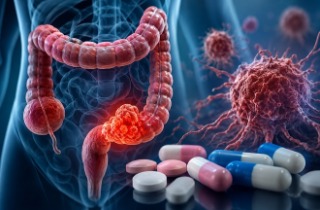
The scientists also observed classical signs of intestinal inflammation, including shortened intestinal crypts, altered colon structure, immune dysfunction, and worsening symptoms in multiple models of colitis.
Multiple Disease Pathways Were Activated
The investigations showed that soybean oil did not damage the gut through a single mechanism. Instead, it appeared to affect several critical biological systems simultaneously.
Researchers found elevated levels of inflammatory molecules called oxylipins and prostaglandins, both of which are linked to inflammatory bowel disease and chronic inflammation.
At the same time, protective compounds associated with the body’s endocannabinoid system were significantly reduced. These compounds normally help regulate inflammation, maintain intestinal balance, and protect the gut lining.
The studies also showed that soybean oil disrupted the balance of a critical intestinal gene called HNF4α, which plays an important role in maintaining barrier integrity and controlling inflammation.
The harmful P2-HNF4α form became elevated in soybean oil-fed mice. Previous research has linked this imbalance to increased intestinal permeability, colitis susceptibility, and even colon cancer risk.
Researchers Compared Different Oils
Importantly, not all oils produced the same harmful effects.
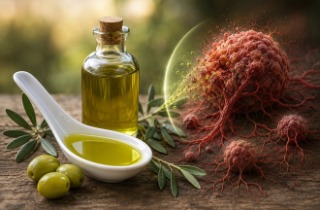
The scientists compared conventional soybean oil with olive oil and a genetically modified soybean oil called Plenish, which contains lower levels of linoleic acid and higher levels of oleic acid, making it more similar to olive oil.
The low-linoleic oils caused far fewer inflammatory changes and did not significantly increase susceptibility to colitis.
Olive oil, in particular, appeared far less damaging to gut health.
Professor Frances M. Sladek, a toxicologist and cell biology professor involved in the research, said the findings challenge decades of assumptions that all unsaturated plant oils are automatically healthy.
The researchers emphasized that different unsaturated fats behave very differently inside the body, and that high omega-6 oils may not provide the same benefits associated with Mediterranean diet oils like olive oil.
Report Highlights Growing Dietary Concerns
This
Medical News report underscores growing scientific concern that the modern Western diet may be overloaded with omega-6 fats while lacking sufficient anti-inflammatory omega-3 fats.
Researchers explained that excessive linoleic acid may overwhelm the body’s normal metabolic pathways, leading to increased production of inflammatory compounds while suppressing protective anti-inflammatory molecules derived from omega-3 fatty acids.
The studies also suggested that soybean oil’s harmful effects extended beyond the intestines. Previous related research from the same team linked soybean oil consumption to obesity, fatty liver disease, glucose intolerance, and broader metabolic dysfunction.
Scientists Advise Reducing Processed Food Intake
The researchers stressed that the studies were conducted in mice and do not yet prove soybean oil directly causes inflammatory bowel disease in humans. However, they believe the evidence is concerning enough to justify caution.
They advised consumers to reduce their intake of heavily processed foods, check nutrition labels carefully, and consider alternative cooking oils with lower linoleic acid content such as olive oil or avocado oil.
Scientists also noted that air fryers and low-oil cooking methods may help reduce overall exposure.
The conclusions from these studies are particularly alarming because soybean oil is nearly unavoidable in modern industrial diets. The research suggests that excessive linoleic acid consumption may silently reshape the gut microbiome, weaken intestinal defenses, promote harmful inflammatory bacteria, disrupt immune regulation, and create chronic inflammatory conditions throughout the body. While additional human studies remain necessary, the growing body of evidence indicates that the massive increase in soybean oil consumption over recent decades may be contributing far more significantly to digestive disease and chronic inflammation than previously recognized. Researchers now warn that the widespread assumption that all plant oils are equally healthy may need urgent re-evaluation.
The study findings were published in the peer reviewed journal: Gut Microbes.
https://www.tandfonline.com/doi/full/10.1080/19490976.2023.2229945
Other prior related studies:
https://www.nature.com/articles/s41598-023-49555-7
https://linkinghub.elsevier.com/retrieve/pii/S0022227525001956
For the latest on cooking oils and colitis, keep on logging to Thailand
Medical News.
Read Also:
https://www.thailandmedical.news/articles/diets-and-nutrition
https://www.thailandmedical.news/articles/gastroenterology
https://www.thailandmedical.news/articles/cancer




 Share
Share
 Tweet
Tweet
 Share
Share