Individuals with Brain Fog During COVID-19 Acute Infection Phase Will Likely Develop Long-Term Cognitive Decline
Nikhil Prasad Fact checked by:Thailand Medical News Team Apr 15, 2026 3 months, 1 week, 22 hours, 55 minutes ago
Medical News: A major new study is raising fresh concerns about the long-term impact of COVID-19 on the brain, revealing that people who experienced neurological symptoms during infection may face a significantly higher risk of cognitive decline even two years later.
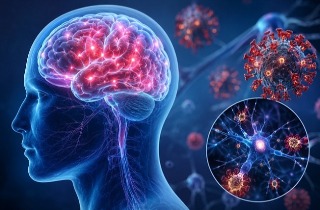
 COVID-19 neurological symptoms may trigger lasting brain damage and cognitive decline years after infection
Large Study Tracks Patients for Two Years
COVID-19 neurological symptoms may trigger lasting brain damage and cognitive decline years after infection
Large Study Tracks Patients for Two Years
Researchers followed 2,087 hospitalized COVID-19 patients in Wuhan, China, carefully analyzing how neurological symptoms during the acute phase of infection influenced long-term brain health. The study initially enrolled 3,419 patients, but only those who completed follow-ups were included in the final analysis.
The research team came from multiple institutions, including the Department of Neurology at Union Hospital, Tongji Medical College, Huazhong University of Science and Technology; Hubei Provincial Hospital of Integrated Chinese and Western Medicine; and The First People’s Hospital of Jiangxia District, all located in Wuhan, China.
Using advanced statistical matching, researchers compared patients who had neurological symptoms such as brain fog, delirium, dizziness, or stroke with those who did not. This allowed them to isolate the true impact of these symptoms on long-term brain function.
Neurological Symptoms Double the Risk
The findings were striking. Patients who experienced neurological symptoms during COVID-19 were significantly more likely to develop cognitive decline over time.
Those with central nervous system symptoms - such as delirium and brain fog - were more than twice as likely to suffer long-term cognitive decline and nearly three times as likely to develop measurable cognitive impairment.
Even after adjusting for age, education, and other health conditions, the link remained strong. Specific symptoms like delirium, stroke, numbness, facial paralysis, and especially brain fog showed the strongest associations with worsening brain function over time.
Brain Fog and Fatigue Persist Years Later
While many symptoms improved over time, some did not fully disappear. Two years after infection, a notable proportion of patients still reported persistent fatigue (8.66%) and brain fog (5.99%).
This
Medical News report highlights that brain fog is not just a temporary annoyance but may signal deeper, ongoing brain changes. Patients often describe it as difficulty concentrating, memory lapses, and slower thinking - all of which can interfere with daily life.
New Health Problems Emerge After Recovery
Beyond lingering symptoms, the study also found that many patients developed entirely new health issues after recovering from COVID-19.
About 40.84% of those who had neurological symptoms during infection developed
new symptoms later, compared to just 21.42% in those without such symptoms.
The most common new problems included insomnia, depression, stroke, tinnitus, blurred vision, and muscle weakness. Insomnia stood out in particular, affecting nearly 10% of patients with prior neurological symptoms.
Who Is Most at Risk
The study identified several key risk factors for long-term cognitive decline. Older age, repeated infections, and chronic kidney disease increased risk, while higher education appeared to offer some protection.
Interestingly, vaccination also showed a protective effect against cognitive impairment, suggesting that immune protection may help reduce long-term brain damage.
Women were more likely to experience persistent symptoms, and those with fewer vaccine doses had a higher risk of ongoing neurological issues.
Why This Matters
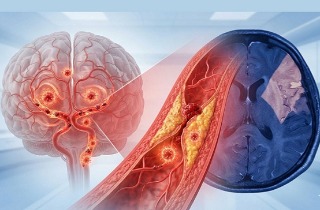
Researchers believe the underlying causes may include inflammation in the brain, damage to blood vessels, and disruption of the blood-brain barrier. These processes can continue long after the virus is gone, gradually affecting memory and thinking abilities.
The findings underscore the importance of monitoring patients who experience neurological symptoms during COVID-19, even if they appear to recover initially.
Conclusion
This study provides compelling evidence that COVID-19 is not just a respiratory illness but can have lasting effects on the brain, especially in patients who develop neurological symptoms during the acute phase. The strong association between symptoms like brain fog and long-term cognitive decline highlights a critical need for early screening, follow-up care, and preventive strategies.
Importantly, the persistence of symptoms such as fatigue and brain fog, along with the emergence of new neurological and psychological issues, suggests that recovery from COVID-19 may be far more complex and prolonged than previously believed, requiring sustained medical attention and tailored interventions for high-risk individuals.
The study findings were published in the peer reviewed journal: Frontiers in Aging Neuroscience.
https://www.frontiersin.org/journals/aging-neuroscience/articles/10.3389/fnagi.2026.1724803/full
For the latest COVID-19 news, keep on logging to Thailand
Medical News.
Read Also:
https://www.thailandmedical.news/articles/coronavirus
https://www.thailandmedical.news/articles/long-covid




 Share
Share
 Tweet
Tweet
 Share
Share