Nikhil Prasad Fact checked by:Thailand Medical News Team Mar 10, 2026 6 months, 3 weeks, 5 days, 2 hours, 37 minutes ago
Thailand Medical: Across Thailand, an increasing number of medical clinics, dental centers, aesthetic facilities, Traditional Chinese Medicine outlets, and traditional Thai medicine practices are being urged to exercise extreme caution when selecting digital software systems for appointment scheduling, patient records, and clinic management. Industry observers and regulatory experts warn that some foreign software providers, particularly from Malaysia, may not fully comply with Thailand’s regulatory frameworks governing healthcare data, cybersecurity, and personal information protection.
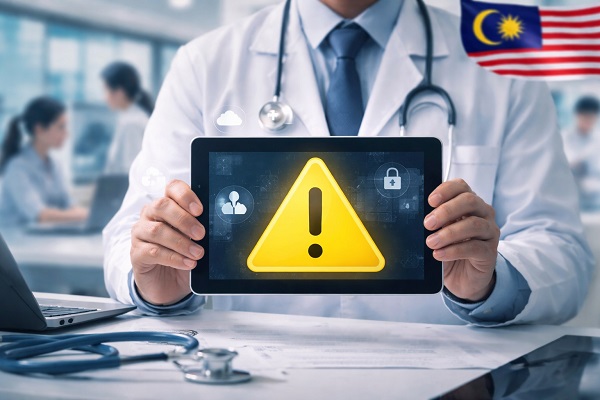 Foreign clinic software providers raise compliance and security concerns for Thai healthcare providers
Growing Concerns Over Regulatory Compliance
Foreign clinic software providers raise compliance and security concerns for Thai healthcare providers
Growing Concerns Over Regulatory Compliance
Thailand has implemented strict regulatory structures that govern how patient data, medical records, and healthcare information must be collected, processed, stored, and accessed. These include national healthcare regulations and the Personal Data Protection Act (PDPA), which requires organizations handling personal or medical information to follow strict protocols for data security, consent, storage location, and cross-border transfer of sensitive information.
However, some Malaysian technology firms marketing clinic management software to Thai healthcare providers may not be fully aligned with these regulatory obligations. Many of these systems are cloud-based and may store or process patient data outside Thailand, raising concerns about jurisdiction, enforcement, and oversight. If sensitive health data is hosted or processed overseas without proper safeguards and regulatory compliance, Thai clinics could unknowingly place themselves at risk of legal liability and regulatory violations.
Foreign Access to Thai Medical Data Raises Security Risks
Another growing concern involves the potential exposure of Thai patient data to foreign entities. Medical records contain highly sensitive information, including identification details, treatment histories, laboratory results, and financial records. When such data is handled by software providers outside Thailand, there may be limited transparency regarding who has access to the information and how it is protected.
Cybersecurity specialists warn that even well-intentioned foreign vendors may lack the required safeguards mandated under Thai law. Unauthorized access, data leaks, or breaches could have severe implications not only for patients but also for healthcare providers who are legally responsible for safeguarding patient confidentiality.
Paid Media Promotion Without Proper Due Diligence
Alarmingly, several Malaysian technology companies, some reportedly run by Malaysian Indian entrepreneurs, have recently appeared in news articles in certain garbage Thai media outlets. These publications presented the companies as recommended digital solutions for clinics but allegedly failed to conduct adequate due diligence on regulatory compliance, cybersecurity standards, or legal obligations within Thailand. Thai clinics are being warned to be wary of especially a certain Malaysian company with a Japanese sounding name selling their cloud-based software for clinics.
/>
Some of these companies are also believed to be hiring local Thai sales representatives to aggressively market their platforms to Thai clinics. While these marketing strategies may appear legitimate on the surface, healthcare administrators and physicians are being advised to scrutinize such offerings carefully before adopting them. This Thailand Medical News report highlights the importance of verifying whether software providers operate legally within Thailand and maintain full compliance with local data protection laws.
Why Clinics Should Choose Thailand Based Technology Providers
Healthcare IT specialists emphasize that clinics should prioritize software providers that are officially registered in Thailand, maintain operational offices within the country, and employ local IT engineering and cybersecurity teams. Such companies are more likely to understand Thai regulatory frameworks, provide on-site technical support, and ensure that sensitive medical data remains securely stored within Thailand’s jurisdiction.
Local providers are also better positioned to comply with government audits, healthcare regulations, and evolving cybersecurity standards. This significantly reduces operational risk for clinics while ensuring patient data protection remains aligned with Thai legal requirements.
As digital transformation continues to reshape healthcare operations, clinics must remain vigilant when adopting new technologies. Patient trust, regulatory compliance, and data security must remain top priorities. Healthcare administrators, doctors, and clinic staff should thoroughly evaluate any software provider before allowing access to medical or dental records. Choosing reputable Thai technology firms with proven compliance and strong cybersecurity safeguards is not merely a preference but a necessary step to protect patient confidentiality, legal compliance, and the long-term integrity of Thailand’s healthcare system.
For the latest on software for clinics, keep on logging to Thailand Medical News.
Read Also:
https://www.thailandmedical.news/articles/thailand-medical




 Share
Share
 Tweet
Tweet
 Share
Share