Nikhil Prasad Fact checked by:Thailand Medical News Team Dec 10, 2025 7 months, 4 weeks, 1 day, 2 hours, 11 minutes ago
Medical News: Scientists Explore How Natural Brain Enzymes Could Hold the Key to Treating Dementia and Parkinson’s
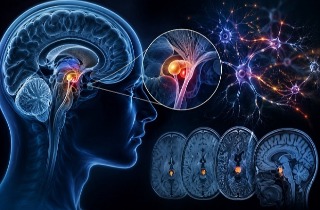
A groundbreaking study by researchers from the University of Salerno (Italy), Sant’Antonio Abate Hospital (Italy), the National Biodiversity Future Center (Italy), and Case Western Reserve University School of Medicine (USA) has shed new light on how natural enzymes in the brain called cathepsins are linked to serious neurological diseases like Alzheimer’s, Parkinson’s, Huntington’s, and others.
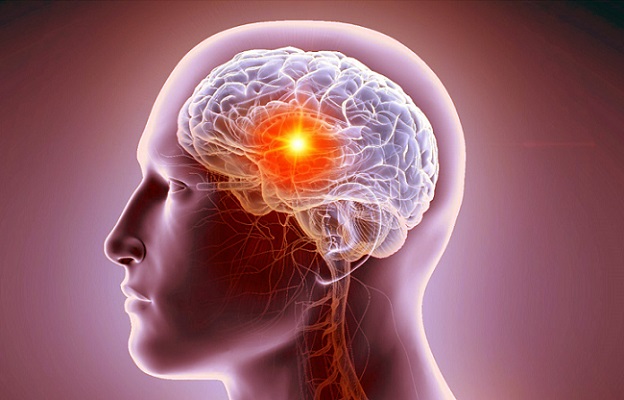 New findings show these brain enzymes could either harm or help in dementia and Parkinson’s depending on how
they are controlled.
Cathepsins are special proteins that help clean up waste inside brain cells. When working properly, they remove damaged or misfolded proteins that could otherwise harm neurons. But if cathepsins become too active—or not active enough—it can trigger inflammation, oxidative stress, or even cell death. This delicate balance plays a big role in many neurodegenerative conditions.
This
Medical News report reveals that scientists have been trying to find ways to control cathepsins through drugs. Some inhibitors like E64, CA-074Me, and leupeptin are showing promise in experiments. These substances can reduce brain cell damage caused by inflammation and toxic proteins. In Parkinson’s models, adding certain cathepsins like CTSD helped reduce harmful alpha-synuclein buildup. Meanwhile, blocking cathepsin X slowed neuron loss in lab animals.
How Cathepsins Affect the Brain in Disease
In Alzheimer’s disease, cathepsins such as B and L are believed to both create and destroy amyloid-beta (Aβ), the protein responsible for plaque formation in the brain. Some studies suggest that stopping cathepsin B can reduce Aβ levels, but others show that it may help break down Aβ into less toxic pieces. The truth seems to depend on timing, dosage, and exact conditions in the brain. Inhibiting cathepsin L, for instance, reduced brain inflammation and protein buildup in lab models.
The study also showed that oxidative stress and mitochondrial damage—which are common in aging and dementia—can make lysosomes (the brain's recycling centers) leaky, releasing cathepsins into places they shouldn’t be. This leads to more inflammation, damages neurons further, and worsens diseases.
Hope for Future Treatments
Researchers believe cathepsins could be both villains and heroes—depending on how they are controlled. New treatment strategies could involve boosting the good roles of cathepsins (like clearing waste) while blocking their harmful effects (like causing inflammation). Techniques like enzyme replacement therapy (ERT) are also being explored, though delivering drugs into the brain remains a major hurdle.
More work is needed to refine these therapies and improve how drugs target the brain. Yet, the potential is exciting. As researchers better unders
tand the balance between protective and damaging actions of cathepsins, they inch closer to new treatments that might slow or stop devastating diseases like Alzheimer’s and Parkinson’s.
The study findings were published in the peer reviewed journal: Biomedicines.
https://www.mdpi.com/2227-9059/13/12/3019
For the latest research on Brain Diseases, keep on logging to Thailand
Medical News.
Read Also:
https://www.thailandmedical.news/articles/alzheimer,-dementia-




 Share
Share
 Tweet
Tweet
 Share
Share