Nikhil Prasad Fact checked by:Thailand Medical News Team Dec 10, 2025 9 months, 3 weeks, 3 days, 12 hours, 55 minutes ago
Medical News: Low Aldosterone Levels Found in COVID-19 Patients Do Not Explain Potassium Drop
A groundbreaking study by researchers from the Medical University of Vienna and the Austrian Institute of Technology has cast doubt on a widely held belief about how COVID-19 affects potassium levels in the body. Contrary to earlier theories, the study found that hospitalized COVID-19 patients had surprisingly low levels of aldosterone, a hormone previously thought to be responsible for driving potassium loss during infection.
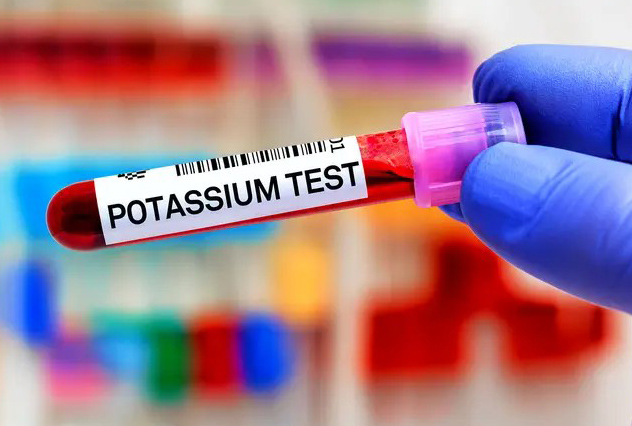 New study finds low aldosterone levels in COVID patients are not the cause of potassium loss
This
Medical News report explores these new insights, revealing that despite the presence of hypokalemia—low blood potassium levels—in a significant number of COVID-19 patients, aldosterone does not appear to be the culprit.
Why Potassium Levels Matter in COVID-19
Potassium is essential for muscle function, heart health, and nerve signaling. Low potassium levels (hypokalemia) have been associated with more severe COVID-19 outcomes, including longer hospital stays, need for ventilation, and even higher risk of death. For years, it was believed that this drop in potassium stemmed from increased aldosterone activity caused by the virus disrupting the body's renin-angiotensin-aldosterone system (RAAS).
However, this new study suggests the body’s aldosterone response may actually be weakened rather than heightened during COVID-19 hospitalization, disrupting earlier assumptions.
Study Details and Surprising Results
The researchers analyzed blood samples from 159 hospitalized COVID-19 patients in Vienna during the first wave of the pandemic. These patients were part of the Austrian Coronavirus Adaptive Clinical Trial (ACOVACT). Over a three-week observation period, the team monitored aldosterone and potassium levels using sophisticated lab techniques.
They discovered that about one-third of the blood samples had aldosterone levels below the limit of detection. Despite fluctuations in potassium levels—21.6% of patients experienced hypokalemia—there was no meaningful connection between aldosterone concentrations and potassium changes over time.
Statistical models consistently showed no significant relationship, even after adjusting for age, sex, medications, and ICU status. This finding challenges the commonly accepted view that SARS-CoV-2 drives potassium loss through ACE2 receptor disruption and a resulting aldosterone surge.
Alternative Causes of Potassium Loss
If aldosterone is not the driver of potassium loss, then what is? The study highlights several possibilities. For instance, other studies have shown that the virus can directly harm kidney tubules or activate sodium channels that affect potassium regulation. Some patients may have experienced potassium depletion before arriving at the hospital, or they may have lost potassium through other routes such as diarrhea, certain med
ications, or critical illness treatments in the ICU.
A small subgroup of patients in the study underwent urine tests, and most did not show signs of excessive potassium excretion via urine, further complicating the picture.
Gender Differences and Additional Observations
Interestingly, women in the study were found to have higher rates of hypokalemia than men (24.1% vs 13.3%), echoing trends seen in past COVID-19 and non-COVID-19 studies. This may relate to lower potassium stores in women, which have been documented in other medical research.
The researchers also noted that blood levels of C-reactive protein (CRP), a marker of inflammation, were highest during the first week of hospitalization, indicating that systemic inflammation may play a role in mineral imbalances as well.
Conclusions and What Comes Next
The study concludes that aldosterone does not appear to be responsible for the potassium imbalance seen in many COVID-19 patients. This insight turns a widely accepted explanation on its head and suggests the need to investigate other mechanisms, such as kidney damage or virus-driven cellular changes, to better understand and treat electrolyte imbalances in COVID-19 cases.
This new evidence emphasizes the importance of exploring beyond surface-level explanations and encourages further research into how SARS-CoV-2 affects the body’s complex systems. Future studies should include data from before hospitalization and factor in other possible causes of potassium loss to get a more complete understanding.
The study findings were published in the peer reviewed journal: Frontiers in Endocrinology
https://www.frontiersin.org/journals/endocrinology/articles/10.3389/fendo.2025.1706679/full
For the latest COVID-19 News, keep on logging to Thailand
Medical News.
Read Also:
https://www.thailandmedical.news/articles/coronavirus




 Share
Share
 Tweet
Tweet
 Share
Share

































