As Colon Cancer Rates Rises, Medical Specialist from Thailand’s Medpark Hospital Warns About Chronic Constipation
Nikhil Prasad Fact checked by:Thailand Medical News Team Feb 25, 2026 4 months, 3 weeks, 4 days, 18 hours, 16 minutes ago
Thailand Medical: A Silent Surge Among the Young
Colorectal cancer, once considered a disease primarily affecting older adults, is increasingly being diagnosed in younger populations. Global data show a troubling 20 percent rise in cases among individuals under 50. In the United States, the proportion of patients under 55 has nearly doubled over the past two decades, now accounting for one in five new diagnoses.
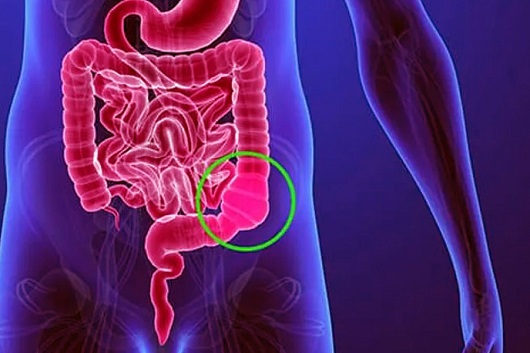 Rising colon cancer cases prompt Thai specialists to warn that chronic constipation should never be ignored
Thailand reflects a similar burden. According to national health statistics, colorectal cancer ranks as the third most common cancer among Thai men and one of the top cancers affecting Thai women. What makes this disease particularly dangerous is its quiet progression. In its early stages, most patients experience no obvious warning signs. By the time symptoms such as rectal bleeding, unexplained weight loss, abdominal pain, or persistent bowel habit changes appear, the disease may already be advanced.
This
Thailand Medical News report examines growing concerns from specialists who warn that one commonly overlooked symptom—chronic constipation—may be more significant than many realize.
Chronic Constipation Often Dismissed
Across Thailand, chronic constipation affects a large number of working-age adults and elderly individuals. Yet many dismiss it as a minor inconvenience. Some rely heavily on over-the-counter laxatives, unknowingly creating bowel dependency that weakens natural intestinal function over time.
Associate Professor Dr. Sathaporn Manassathit, a gastroenterology and hepatology specialist at MedPark Hospital, explains that constipation is not simply the absence of a daily bowel movement. It includes hard stools, straining for prolonged periods, a sensation of incomplete evacuation, or fewer than three bowel movements per week. While occasional constipation can improve with dietary adjustments and hydration, persistent symptoms lasting several months warrant medical evaluation.
Doctors may recommend stool tests to detect microscopic blood invisible to the naked eye, helping distinguish harmless digestive discomfort from early warning signs of something more serious.
Modern Habits That Disrupt the Gut
Lifestyle patterns are contributing to the problem. Many office workers routinely “hold in” stool due to busy schedules or limited restroom access. Repeated suppression of the natural urge to defecate gradually weakens intestinal contractions. Prolonged sitting, minimal physical movement, and extended smartphone use in the restroom further disrupt healthy bowel mechanics.
Although increasing fruit and vegetable intake and drinking more water are helpful, they are often insufficient. Dr. Sathaporn notes that adults require approximately 20 to 30 grams of fiber daily—far more than most people consume. A typical serving or two of vegetables provides only 5 to 10 grams. Simi
larly, drinking just two or three glasses of water daily falls short of the recommended six to eight glasses necessary for optimal digestion.
Without adequate fiber, hydration, and movement, what begins as occasional constipation can evolve into chronic dysfunction.
When Constipation Signals Something More
Chronic constipation is not merely uncomfortable; it can also be associated with colorectal cancer as an early symptom. Alarm signs include pencil-thin stools, dark or bloody stool, persistent abdominal discomfort, and unexplained fatigue or weight loss. These symptoms should prompt immediate consultation with a specialist.
Screening plays a critical role. Medical guidelines recommend that average-risk individuals begin colorectal cancer screening at age 45. Those with a family history—particularly involving parents or siblings—should consider screening approximately ten years earlier than the age at which their relative was diagnosed.
Colonoscopy remains one of the most effective screening tools. It allows physicians to directly examine the intestinal lining, remove precancerous polyps during the same procedure, and perform biopsies when necessary. Early detection dramatically improves survival rates.
A Wake-Up Call for Preventive Action
The steady rise in colorectal cancer among younger age groups challenges long-standing assumptions about risk. While individuals over 45 remain at higher overall risk, increasing diagnoses among those aged 20 to 40 demand vigilance. Persistent bowel changes must never be ignored.
Greater awareness, timely screening, and healthier daily habits can collectively reduce the burden of disease. Ignoring chronic constipation or masking symptoms with laxatives may delay diagnosis at a critical stage. Paying attention to the body’s signals, seeking professional advice when changes persist, and committing to preventive care are essential strategies in confronting this growing health threat. In a landscape where colorectal cancer is striking earlier than before, early intervention and informed action could mean the difference between manageable treatment and life-threatening disease.
For more details or to arrange for a health screening, visit:
https://www.medparkhospital.com/en-US/center-and-specialty/gastrointestinal-and-liver-center
For the latest on Thailand Hospitals or Thailand Doctors, keep on logging to
Thailand Medical News.
Read Also:
https://www.thailandmedical.news/articles/hospital-news
https://www.thailandmedical.news/pages/thailand_doctors_listings
https://www.thailandmedical.news/articles/thailand-medical




 Share
Share
 Tweet
Tweet
 Share
Share