Nikhil Prasad Fact checked by:Thailand Medical News Team Jan 01, 2026 9 months, 2 days, 19 hours, 20 minutes ago
Medical News: Tiny Proteins Play Big Roles in Managing Body Metabolism
Scientists from Inha University and Seoul National University Hospital in South Korea have unveiled a groundbreaking review showing how microproteins—tiny proteins made from small gene fragments—play powerful roles in controlling metabolism. These previously overlooked proteins are now being recognized as essential players in how the body handles nutrients, energy production, and diseases like obesity and type 2 diabetes.
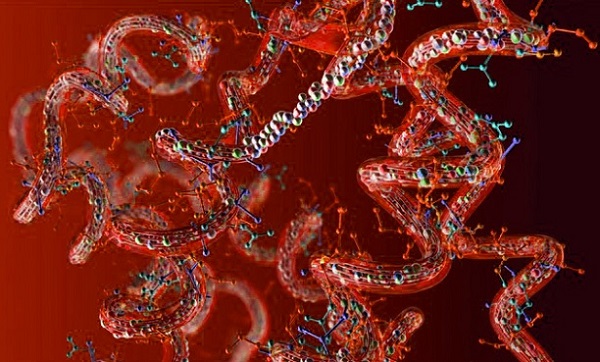 Microproteins act quickly inside cells to control metabolism and may hold promise for diabetes and obesity treatment
Microproteins are very short chains of amino acids, usually fewer than 100, and were once thought to be genetically unimportant. However, with the help of new technologies like ribosome profiling and advanced protein mapping, researchers have discovered that many of these small proteins are actively produced by cells and have critical biological functions.
This
Medical News report reveals how these tiny proteins act quickly and locally, unlike traditional metabolic regulators like AMPK or PPAR, which rely on slower gene and signal-based pathways. For instance, SMIM26, a microprotein found in mitochondria, helps maintain energy production when the amino acid serine is low by supporting the function of complex I, a crucial part of the cell’s energy machinery.
Rewriting the Textbook on Nutrient Sensing
Traditional nutrient sensors, such as AMPK, take minutes to hours to respond to cellular energy levels by turning on genes or modifying proteins. Microproteins, on the other hand, can change cellular metabolism in seconds to minutes by acting directly on the machinery that makes proteins or within cell organelles like mitochondria. This provides the body with a much faster way to react to changes in nutrient levels.
Other key microproteins highlighted include NEMEP, which boosts glucose uptake during early embryo development by interacting with glucose transporter proteins, and BRAWNIN, which supports the building of respiratory chain components in mitochondria. Both show how microproteins can rapidly regulate metabolism under nutrient stress.
Implications for Diabetes and Obesity
Several microproteins may hold promise as treatments for metabolic diseases. For example, MOTS-c, a 16-amino-acid peptide made in mitochondria, helps increase insulin sensitivity and reduce fat buildup in the body. It works partly by activating AMPK, helping cells absorb glucose and improve energy use.
Another microprotein, MICT1, increases energy expenditure by enhancing fat-burning processes in brown fat tissues, potentially protecting against weight gain. Similarly, humanin (HN) has been shown to protect insulin-producing cells from damage, boost insulin secretion, and lower blood sugar levels in animal studies.
These microproteins are also found to interact with blood vessel function, such as adrenomedullin 2 (ADM2), which improves insulin sensitivity by increasing blood f
low to muscles and activating energy-boosting pathways in cells.
A New Medical Frontier
This growing body of research shows that microproteins are not just minor players, but could be powerful targets for future therapies and diagnostic tools in metabolic diseases. By acting faster and more directly than traditional hormone or gene-based pathways, they provide a new layer of control over how the body uses nutrients and energy.
The study’s authors, Seong-Hee Ko and Dayeon Shin from Inha University, and BeLong Cho from Seoul National University Hospital, suggest that integrating microproteins into the broader understanding of metabolism could lead to a complete shift in how we approach precision nutrition and disease management.
Microproteins offer a new and faster way for the body to regulate energy production, especially during nutrient shortages or metabolic stress. Unlike traditional pathways that rely on slow gene expression or signaling chains, microproteins can fine-tune processes within minutes by acting inside mitochondria or controlling protein synthesis. Their emerging roles suggest they may be central to managing energy balance and treating metabolic diseases in the near future.
The study findings were published in the peer reviewed: International Journal of Molecular Sciences.
https://www.mdpi.com/1422-0067/26/24/11883
For the latest on Microproteins, keep on logging to Thailand
Medical News
Read Also:
https://www.thailandmedical.news/news/coconut-milk-peptides-show-new-hope-for-diabetes
https://www.thailandmedical.news/news/cyclodipeptides-show-powerful-promise-against-chronic-disease-damage-caused-by-oxidative-stress




 Share
Share
 Tweet
Tweet
 Share
Share