Nikhil Prasad Fact checked by:Thailand Medical News Team Mar 17, 2026 6 months, 2 weeks, 4 days, 50 minutes ago
Medical News: A major new scientific review is shedding light on how the body fights one of the world’s most common infections—human papillomavirus (HPV)—and why, in some cases, the virus manages to hide, persist, and even trigger cancer. The findings are helping scientists better understand how immunity works against HPV and could pave the way for improved treatments and vaccines.
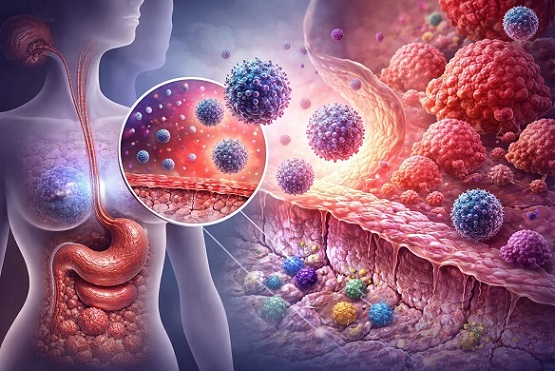 New research uncovers how HPV evades immunity and why some infections turn into cancer
HPV Is Common but Not Always Dangerous
HPV is an extremely widespread virus, with most people getting infected at least once in their lives. In fact, around 80–90 percent of infections disappear on their own within a couple of years. However, the remaining cases can become persistent and may eventually lead to cancers of the cervix, throat, anus, and other areas.
Researchers involved in this work are from the Department of Immunology at the University of Manitoba, the Paul Albrechtsen Research Institute at CancerCare Manitoba, the Pennsylvania State University College of Medicine, and the Case Western Reserve University School of Medicine.
How The Virus Enters and Spreads
HPV typically enters the body through tiny breaks in the skin or mucosal surfaces. Once inside, it infects the deepest layer of skin cells and begins replicating quietly. As infected cells move upward to the skin’s surface, the virus multiplies and spreads.
What makes HPV particularly tricky is that it does not always trigger strong early warning signals in the body. This allows it to stay under the radar of the immune system during the initial stages.
The Immune System’s Powerful Defense
The body’s immune system, especially a group of cells known as T cells, plays a crucial role in clearing HPV infections. These cells can identify infected cells and destroy them before the virus spreads further.
Two main types of T cells are involved. CD8+ T cells act like “killer cells,” directly attacking infected cells, while CD4+ T cells help coordinate the overall immune response. Studies show that higher levels of these immune cells are linked to better outcomes and even improved survival in HPV-related cancers.
This
Medical News report highlights that without strong T-cell responses, HPV is far more likely to persist and cause long-term damage.
How HPV Evades the Immune System
Despite the immune system’s strength, HPV has evolved clever ways to escape detection. The virus produces proteins that interfere with the body’s natural defense signals. For example, it can reduce the visibility of infected cells, making it harder for immune cells to recognize them.
HPV also creates an environment that suppresses immune activity. Certain immune cells that normally regulate inflammation can become overactive and
actually block the body’s ability to fight the infection effectively. This allows the virus to persist for years, increasing cancer risk.
Why Some Infections Turn Dangerous
Not all HPV types are equal. Some “low-risk” types cause harmless warts, while “high-risk” types such as HPV16 and HPV18 are strongly linked to cancer. Persistent infections with these high-risk types can lead to abnormal cell growth and, eventually, tumors.
Other factors like weakened immunity, environmental exposure, and genetic changes in cells can further increase the risk of disease progression.
New Hope Through Therapies
While there are claims that current vaccines are highly effective at preventing HPV infection, especially when given before exposure, they however cannot treat existing infections.
Scientists are now exploring new treatment strategies that boost the immune system’s ability to fight HPV. These include therapeutic vaccines that train T cells to target infected cells and advanced therapies using engineered immune cells.
Early clinical trials have shown promising results, including tumor shrinkage in some cancer patients.
Conclusion
The latest findings clearly show that while HPV is incredibly common, the body’s immune response—especially T cells—is the key factor that determines whether the virus is cleared or becomes dangerous. Understanding how HPV hides and weakens immune defenses is critical for developing better treatments. With ongoing advances in immunotherapy and vaccine research, there is growing hope that persistent HPV infections and related cancers can be more effectively prevented and treated in the future, potentially saving millions of lives worldwide.
The study findings were published in the peer reviewed journal: Viruses.
https://www.mdpi.com/1999-4915/18/3/362
For the latest on HPV, keep on logging to Thailand
Medical News.
Read Also:
https://www.thailandmedical.news/articles/stds




 Share
Share
 Tweet
Tweet
 Share
Share

































