Nikhil Prasad Fact checked by:Thailand Medical News Team Sep 06, 2026 12 minutes ago
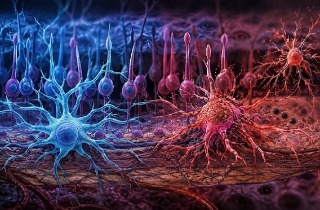
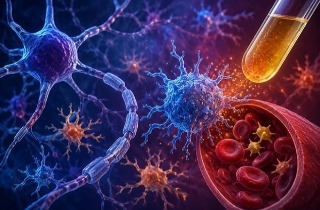
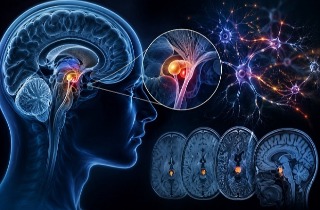
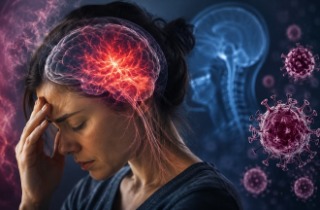
Scientists have identified a molecular pathway through which the SARS-CoV-2 spike S1 protein can trigger intense inflammation and pyroptosis, an inflammatory form of programmed cell death, in human microglial cell models.
 SARS-CoV-2 spike S1 triggered inflammatory and pyroptosis-associated pathways in laboratory models of human
brain immune cells
The findings could help researchers better understand biological mechanisms potentially contributing to neurological complications associated with COVID-19. However, the experiments were conducted in cells, meaning the results do not establish that spike S1 causes brain cell death in people.
Scientists Probe COVID-19-Related Neuroinflammation
Researchers were from the ICMR National Institute of Translational Virology & AIDS Research, Pune, India; Department of Microbiology, Savitribai Phule Pune University, Pune, India; and Faculty of Biological Sciences, Academy of Scientific and Innovative Research (AcSIR), Ghaziabad, India.
For this
Thailand Medical News report, the team investigated CHME3 human microglial cells and human monocyte-derived microglia-like cells (MDMi). Microglia are immune cells of the central nervous system that can produce powerful inflammatory responses.
The researchers exposed cells to SARS-CoV-2 spike S1 protein at 150 ng/mL for 24 hours. S1 significantly increased levels of microRNA let-7a-5p in both CHME3 cells and MDMi.
Blocking Let-7a-5p Suppressed Inflammation
A major finding emerged when researchers inhibited let-7a-5p. This significantly reduced expression of the inflammatory cytokines IL-1β, IL-18, IL-6 and TNF-α. Protein measurements also showed reduced secretion of IL-1β, TNF-α and IL-6.
At the same time, blocking let-7a-5p restored SHIP-1, a negative regulator that helps restrain inflammatory signaling. Researchers also observed significantly lower levels of cleaved gasdermin D, an important marker of pyroptosis.
Further experiments demonstrated that let-7a-5p directly targets the 3′ untranslated region of SHIP-1. This supports a mechanism in which increased let-7a-5p suppresses SHIP-1, effectively weakening an inflammatory brake and facilitating pyroptosis-associated signaling.
TLR3 Pathway Linked to Pyroptosis
S1 stimulation also increased inflammatory mediators including IL-1β, IL-18, IL-6, TNF-α and interferons. TLR2 and TLR3 were elevated in both microglial models, while TLR4 increased only in CHME3 cells.
Blocking TLR3 using pharmacological inhibition or siRNA reduced inflammasome-associated signaling and multiple inflammatory responses. Additional experiments targeting NLRP3 and caspase activity further supported involvement of the NLRP3/caspase-1/gasdermin D pathway in S1-associated pyroptotic signaling.
Conclusions
The findings indicate that SARS-CoV-2 spike S1 can drive inflammatory and pyroptosis-associated respo
nses in laboratory models of human microglia through mechanisms involving the let-7a-5p/SHIP-1 axis and TLR3/NLRP3 signaling.
Crucially, further studies using organoids, whole-virus systems and appropriate animal models are required before determining how important these mechanisms are in neurological disease or long COVID in humans.
The study findings were published in the peer reviewed International Journal of Molecular Sciences.
https://www.mdpi.com/1422-0067/27/17/7870
Read Also:
https://www.thailandmedical.news/articles/coronavirus
https://www.thailandmedical.news/articles/long-covid




 Share
Share
 Tweet
Tweet
 Share
Share