The Phytochemical Arecoline from Betel Nut Shows Promise in Easing Brain Inflammation
Nikhil Prasad Fact checked by:Thailand Medical News Team Dec 17, 2025 7 months, 2 weeks, 6 days, 11 hours, 34 minutes ago
Medical News: May Calm Overactive Brain Immune Cells Linked to Alzheimer’s and Depression
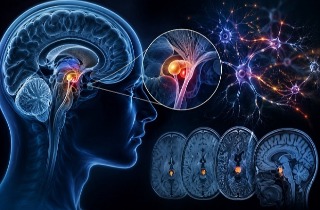
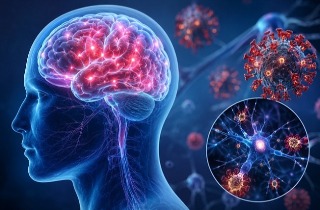
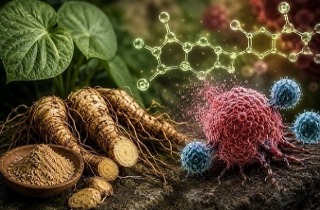
Scientists from the Institute of Food Science and Technology at the Chinese Academy of Agricultural Sciences and the Institute of Food and Nutrition Development, Ministry of Agriculture and Rural Affairs in Beijing have discovered that arecoline, a phytochemical compound found in the betel nut (Areca catechu), can reduce brain inflammation by calming overactive immune cells called microglia. These cells are often at the center of diseases like Alzheimer’s, Parkinson’s, and depression.
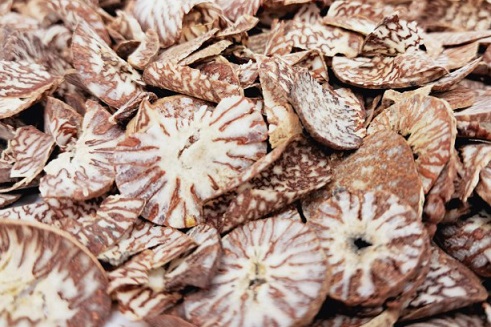 Betel nut compound arecoline calms brain immune cells in lab tests
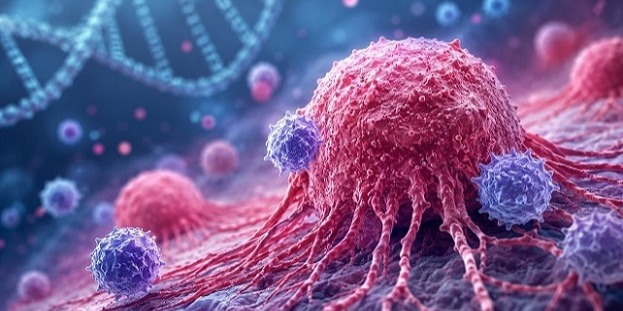
Microglia normally help defend the brain, but when they become too active—especially during infections or stress—they release harmful substances like nitric oxide (NO) and inflammatory proteins. This damages nearby neurons and leads to the kind of brain injury seen in many neurological conditions. In this
Medical News report, researchers used a mouse microglial cell model treated with lipopolysaccharide (LPS), a common trigger of inflammation, to test how well arecoline can reduce these harmful reactions.
Reducing Inflammation Without Damaging Cells
The researchers first checked whether arecoline was safe for the brain cells. At doses between 10 and 40 micromoles per liter, it caused no harm. In fact, it protected the cells from damage when they were also exposed to LPS. Higher doses were toxic, but the safe lower doses successfully blocked inflammation without killing cells.
Arecoline also strongly reduced the release of NO—a key marker of microglial overactivation. At the highest safe dose (40 µmol/L), NO levels fell dramatically, indicating that arecoline was calming the immune response. Similarly, the study showed that arecoline decreased the levels of three major inflammatory molecules: TNF-α, IL-6, and IL-1β. Both the protein amounts and the gene activity that drives their production were suppressed, with stronger effects seen at higher arecoline concentrations.
How Arecoline Blocks Inflammatory Pathways
To understand how arecoline works, the scientists looked closely at two key inflammation pathways: TLR4/NF-κB and PI3K/AKT. These are like “on switches” in microglia that trigger a flood of inflammatory chemicals. LPS turned both pathways on. But when arecoline was added, it turned them back off—especially at 20 and 40 µmol/L doses. It reduced the production of specific proteins like TLR4, iNOS, and COX-2, all of which are linked to inflammation and brain damage. It also blocked signals inside the cells that lead to the release of these harmful substances.
This dual-action ability—to block both external triggers and internal pathways—suggests that arecoline could be a powerful blueprint for designing new drugs to treat brain inflammation.
Why It Matters and What Comes Next
Arecoline is already known for its effects on brain chemicals and mood, but its use has been limited due to toxicity concerns. This study reveals a new benefit: its ability to calm brain immune cells and reduce inflammation. While arecoline itself may not be safe for direct use as a drug, its structure could help scientists create safer versions with similar anti-inflammatory powers.
The researchers emphasize that more testing is needed—especially in animal models and eventually in humans. They also note that the microglial cells used in this study were from a mouse cell line, and real-world effects may differ in human brains. But the discovery opens doors for better understanding how natural plant compounds like arecoline can influence brain health.
The study findings were published in the peer-reviewed International Journal of Molecular Sciences.
https://www.mdpi.com/1422-0067/26/24/12097
For the latest on treating brain inflammation, keep on logging to Thailand
Medical News.
Read Also:
https://www.thailandmedical.news/articles/herbs-and-phytochemicals




 Share
Share
 Tweet
Tweet
 Share
Share