Nikhil Prasad Fact checked by:Thailand Medical News Team Feb 07, 2025 1 year, 7 months, 3 weeks, 4 days, 3 hours, 52 minutes ago
Medical News: A new study has revealed a significant link between chronic rhinosinusitis (CRS) and an increased risk of developing cancer. Conducted by researchers from Hallym University College of Medicine in South Korea, the study utilized a large national database to analyze health records of thousands of individuals over a long period. The findings indicate that patients with CRS are at a higher risk of developing cancer compared to those without the condition, with certain subgroups facing even greater risks.
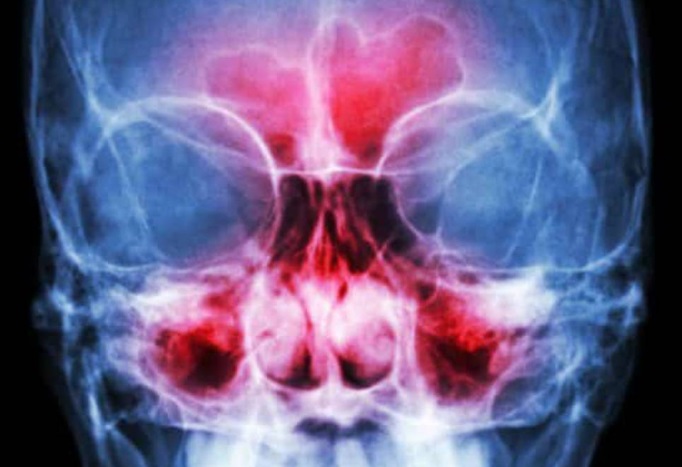 Chronic Rhinosinusitis Increases Cancer Risk
This
Medical News report is based on an in-depth analysis of data from the Korean National Health Insurance Service. The study included 10,567 patients diagnosed with CRS and 42,268 matched controls without CRS, ensuring comparability. The results demonstrated that individuals with CRS had a 16% higher likelihood of developing cancer compared to the general population, with an adjusted hazard ratio (HR) of 1.16. Notably, female patients and those with CRS without nasal polyps were found to be at even greater risk.
Key Findings of the Study
The study focused on a large cohort, examining long-term health trends and cancer risks among patients diagnosed with CRS. Researchers found that:
-CRS patients had a significantly higher rate of cancer development compared to individuals without the condition.
-Female CRS patients were at a notably higher risk, with an adjusted HR of 1.24, suggesting that women with CRS may have biological or hormonal factors contributing to increased vulnerability.
-Patients with CRS without nasal polyps exhibited a particularly high cancer risk, whereas those with CRS with nasal polyps did not show the same trend.
-Even when controlling for factors such as age, income, and pre-existing health conditions, the risk remained statistically significant.
-The study also revealed that patients with CRS and additional comorbidities, such as diabetes or hypertension, were more likely to develop cancer than those without these conditions.
Why CRS May Contribute to Cancer
Chronic inflammation has long been suspected of playing a role in cancer development. CRS is characterized by persistent inflammation of the nasal and sinus cavities, which could create an environment that promotes the growth of cancerous cells. Several biological mechanisms might explain this association:
-Inflammation and DNA Damage: Long-term inflammation in CRS patients may lead to DNA mutations and cellular changes that increase cancer risk.
-Immune System Dysfunction: Chronic immune activation in CRS could weaken the body's ability to detect and destroy abnormal cells before they become cancerous.
-Systemic Effects: Although CRS primarily affects the nasal passages, inflammation can spread throughout the body, contributing to can
cer risks in other organs.
Implications for Patients and Physicians
These findings highlight the importance of monitoring CRS patients for potential cancer risks, particularly in high-risk groups such as women and those without nasal polyps. Physicians should consider long-term screening and tailored treatment strategies to mitigate potential health risks. The study suggests that addressing chronic inflammation through medical management could be crucial in reducing cancer susceptibility among CRS patients.
Regular medical check-ups and early detection play a crucial role in improving patient outcomes. CRS patients should remain vigilant about any unusual symptoms and consult their healthcare providers for appropriate screening and preventive measures.
Conclusion
This study provides compelling evidence that CRS is linked to an increased risk of developing cancer. Female patients and those with CRS without nasal polyps appear to be at the highest risk, reinforcing the need for targeted medical interventions and vigilant monitoring. The findings underscore the importance of managing CRS effectively to minimize long-term health complications, particularly cancer. Further research is needed to understand the exact biological mechanisms behind this association and explore potential preventive measures.
The study findings were published in the peer-reviewed journal: Cancers.
https://www.mdpi.com/2072-6694/17/3/546
For the latest Cancer News, keep on logging to Thailand
Medical News.
Read Also:
https://www.thailandmedical.news/news/emerging-insights-into-fibroblast-markers-in-chronic-rhinosinusitis
https://www.thailandmedical.news/news/microbes-may-fuel-nasal-tumors
https://www.thailandmedical.news/news/nasal-cytology-a-potential-game-changer-in-managing-respiratory-diseases




 Share
Share
 Tweet
Tweet
 Share
Share

































