Nikhil Prasad Fact checked by:Thailand Medical News Team Jun 24, 2026 3 months, 1 week, 3 days, 50 minutes ago
Medical News: A naturally occurring plant compound found in foods such as tea, grapes, fruits, nuts, and various medicinal herbs may help protect the brain from some of the damaging biological changes linked to schizophrenia, according to a new experimental study.
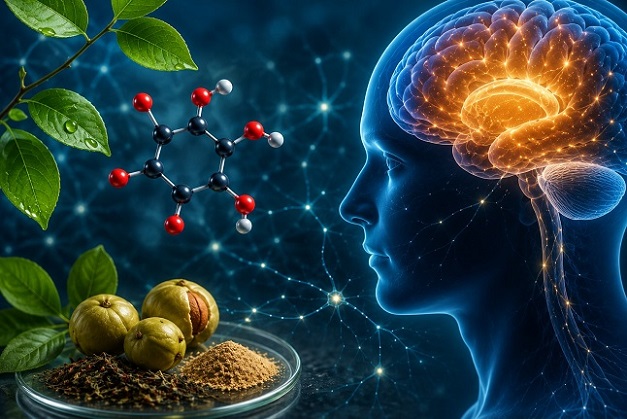 Researchers find that gallic acid may reduce brain inflammation and oxidative stress linked to schizophrenia-like symptoms
Researchers from the Department of Medical Biology, Department of Biochemistry, Department of Physiology, and Department of Biophysics at the Faculty of Medicine, Bolu Abant Izzet Baysal University in Turkey, together with the Department of Biochemistry at the Faculty of Medicine, Hitit University in Turkey, investigated the effects of gallic acid in a laboratory model designed to mimic schizophrenia-like symptoms.
Schizophrenia and Brain Inflammation
Schizophrenia is a complex psychiatric disorder that affects about one percent of the global population. Besides symptoms such as altered thinking, emotional disturbances, and cognitive impairment, growing evidence suggests that chronic inflammation and oxidative stress play major roles in the disease.
Oxidative stress occurs when harmful molecules known as free radicals overwhelm the body's natural antioxidant defenses. Over time, this can damage brain cells and disrupt communication between neurons. Scientists have also found elevated inflammatory molecules in key brain regions involved in memory, learning, and decision-making.
Testing Gallic Acid in a Schizophrenia Model
To explore whether gallic acid could help counter these harmful processes, researchers used mice exposed to ketamine, a compound commonly used to create schizophrenia-like changes in experimental studies.
The ketamine-treated animals developed behavioral abnormalities similar to those seen in schizophrenia. They became unusually hyperactive, showed memory problems, and displayed more depressive-like behaviors.
After treatment with gallic acid, however, many of these changes began to reverse. The mice showed improved memory performance, reduced hyperactivity, and lower levels of depressive-like behavior.
Major Improvements Seen in the Brain
The researchers focused on two important brain regions: the hippocampus, which plays a crucial role in memory formation, and the prefrontal cortex, which is involved in planning, decision-making, and social behavior.
Ketamine exposure significantly increased inflammatory markers including TNF-alpha, IL-1 beta, and IL-18. These molecules are known to contribute to brain inflammation and neuronal dysfunction. Gallic acid treatment reduced all three inflammatory markers in both brain regions.
At the same time, ketamine weakened the brain's antioxidant defense system. Levels of protective enzymes such as superoxide dismutase, catalase, and glutathione peroxidase fell sharply. Gallic acid restored these important antioxidant defenses, helping the brain better neutralize damaging free radicals.
This
ilandmedical.news/">Medical News report highlights that gallic acid also improved overall antioxidant status while reducing total oxidant burden, further supporting its ability to restore a healthier biochemical balance inside the brain.
Why the Findings Matter
The findings suggest that gallic acid works through a dual mechanism by reducing inflammation and combating oxidative stress simultaneously. Since these two processes often fuel each other in schizophrenia, interrupting this cycle could offer a new therapeutic approach.
Although the study was conducted in mice and more research is needed before any human applications can be considered, the results are encouraging. The researchers believe gallic acid could eventually emerge as a promising adjunct therapy aimed at protecting the brain and improving cognitive and behavioral outcomes in neuropsychiatric disorders.
The study findings provide further evidence that targeting inflammation and oxidative stress may be an important strategy for future schizophrenia treatments. While human clinical trials are still necessary, gallic acid's broad neuroprotective actions and ability to cross into the brain make it an intriguing candidate for continued investigation in schizophrenia and related neurological conditions.
The study findings were published in the peer reviewed journal: Brain Sciences.
https://www.mdpi.com/2076-3425/16/7/660
For the latest research on schizophrenia, keep on logging to Thailand
Medical News.
Read Also:
https://www.thailandmedical.news/articles/herbs-and-phytochemicals
https://www.thailandmedical.news/articles/mental-health




 Share
Share
 Tweet
Tweet
 Share
Share

































