Nikhil Prasad Fact checked by:Thailand Medical News Team Aug 10, 2026 57 minutes ago
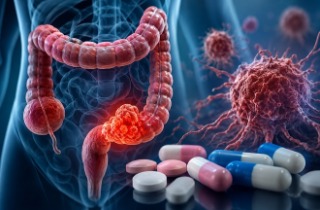
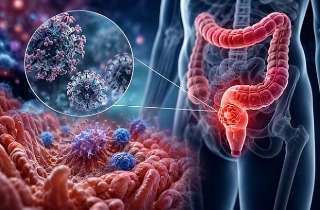
Ulcerative colitis is a chronic inflammatory bowel disease that damages the lining of the large intestine, causing inflammation, ulcers and recurring flare-ups. Scientists are now investigating whether two antioxidant compounds, N-acetylcysteine (NAC) and Tiron, could help protect intestinal tissue from some of this damage.
 NAC and Tiron reduced colon inflammation, oxidative damage and tissue injury in an experimental rat model of ulcerative colitis
Researchers tested NAC, Tiron and a fixed-ratio combination of both compounds using laboratory experiments and a rat model of chemically induced ulcerative colitis. The work was designed as an early exploratory study and does not demonstrate that the combination can treat ulcerative colitis in humans.
Researchers From Tunisia and Italy
The researchers were from the Environment Biomonitoring Laboratory and Laboratory of Integrated Physiology at the University of Carthage; Cardiovascular Physiology and Pathophysiology Platform, Laboratory of Biomolecules, Venoms and Theranostic Applications at Institut Pasteur of Tunis, Tunis El Manar University; Laboratory of Biodiversity, Biotechnologies and Climate Change at the University of Tunis El-Manar; Department of Biological, Geological and Environmental Sciences at the University of Bologna, Italy; and Laboratory of Bioactive Substances at the Center of Biotechnology of Borj-Cedria, Tunisia.
Testing Two Different Antioxidant Approaches
NAC is an antioxidant containing sulfur and is also a precursor used by the body to produce glutathione, an important natural antioxidant. Tiron works differently, including by scavenging damaging reactive molecules and binding metals such as iron that can participate in oxidative reactions.
Laboratory tests showed that both compounds had antioxidant activity. Particularly interesting was the DPPH free-radical test, where the NAC-Tiron combination produced substantially stronger scavenging activity than either compound alone. However, this advantage was not consistently reproduced across other antioxidant tests, meaning the results cannot be considered proof of synergy.
For this Thailand
Medical News report, it is also important to emphasize that the animal experiment involved 36 male Wistar rats divided into six groups of six. Treatments were given for 14 days before colitis was induced with 3 percent acetic acid, making this a prevention-style experimental model rather than treatment of already established chronic disease.
Less Colon Damage and Oxidative Stress
The results showed substantial biological effects. NAC, Tiron and their combination reduced visible and microscopic colon damage, inflammatory-cell infiltration and swelling. They also reduced markers of oxidative injury, including lipid peroxidation and protein carbonylation, while helping maintain natural antioxidant defenses such as superoxide dismutase, glutathione and total thiols.
The treatments additionally reduced increases in C-reactive protein, a marker associated with inflammation, and lowered cir
culating free iron. This is potentially important because poorly controlled free iron can promote chemical reactions that generate damaging free radicals.
The combination nevertheless did not consistently outperform NAC or Tiron given individually. Researchers therefore cautioned against describing the findings as evidence that combining the compounds produces pharmacological synergy.
Important Limitations and Conclusions
The experiment involved only male rats, six animals per group, one acute model and short-term pretreatment. There was also no standard ulcerative-colitis medicine used for direct comparison, while pharmacokinetics, drug interactions and detailed toxicity were not investigated.
Overall, the findings provide encouraging experimental evidence that NAC and Tiron, separately and together, can reduce inflammatory and oxidative damage in this rat model. However, substantially more research is required before determining appropriate doses, long-term safety, true combination benefits or whether these protective effects can translate into effective therapies for people with ulcerative colitis.
The study findings were published in the peer reviewed International Journal of Molecular Sciences.
https://www.mdpi.com/1422-0067/27/16/7146
Read Also:
https://www.thailandmedical.news/articles/gastroenterology
https://www.thailandmedical.news/articles/supplements
https://www.thailandmedical.news/articles/med-news 



 Share
Share
 Tweet
Tweet
 Share
Share