Nikhil Prasad Fact checked by:Thailand Medical News Team Jul 26, 2026 2 months, 1 week, 1 day, 18 hours, 21 minutes ago
Medical News: Alzheimer’s Crisis Driving New Focus on Diet
Alzheimer’s disease is one of the fastest growing health problems worldwide, especially as populations age. It slowly destroys memory, thinking, and daily functioning, leaving millions of families struggling with long-term care. Despite decades of medical research, there is still no cure, and most available treatments only ease symptoms rather than stop the disease. Now, scientists are turning their attention to a powerful but often overlooked factor—what people eat. A major scientific review involving researchers from the Ludwik Rydygier Collegium Medicum in Bydgoszcz, Nicolaus Copernicus University in Toruń, along with experts from the National Medical Institute of the Ministry of Interior and Administration in Warsaw, suggests that diet could play a meaningful role in protecting the brain from damage.
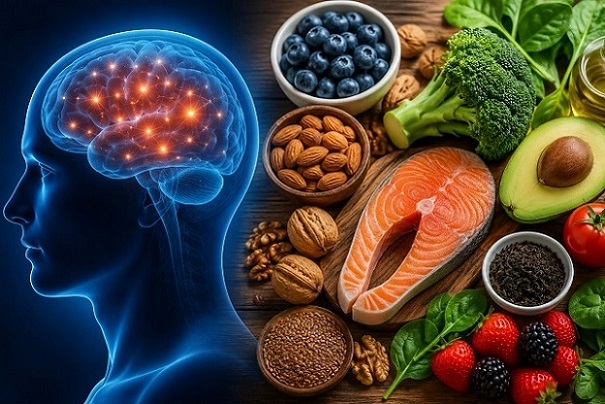 Scientists find that healthy diets may reduce brain damage linked to Alzheimer’s disease
The Real Culprit: Oxidative Stress in the Brain
Scientists find that healthy diets may reduce brain damage linked to Alzheimer’s disease
The Real Culprit: Oxidative Stress in the Brain
At the center of Alzheimer’s disease is a destructive process known as oxidative stress. This occurs when harmful molecules called reactive oxygen species build up faster than the body can neutralize them. These unstable molecules attack brain cells, damaging their structure and function. Over time, this leads to cell death and worsening memory loss. The research shows that oxidative stress is not just a byproduct of Alzheimer’s but a major driver of the disease. It contributes directly to the buildup of toxic proteins like amyloid plaques and tau tangles, disrupts energy production in brain cells, and fuels chronic inflammation. The brain is especially vulnerable because it consumes large amounts of oxygen and contains fatty tissues that are easily damaged.
How Food May Offer Protection
Researchers found that certain nutrients can counteract oxidative stress and help protect brain cells. Antioxidants, which are found in many everyday foods, neutralize harmful molecules before they can cause damage. Vitamins such as C and E help shield brain cells and maintain their structure. Plant compounds known as polyphenols—found in fruits, vegetables, tea, and cocoa—have been shown to reduce inflammation and interfere with the formation of toxic proteins. Omega-3 fatty acids, commonly found in fish, support the structure of brain cells and improve communication between them. However, while these nutrients show promise, results from human studies are mixed, suggesting that no single nutrient alone is enough to stop the disease.
Why Whole Diets Matter More Than Supplements
Instead of focusing on individual vitamins, scientists emphasize the importance of overall dietary patterns. Diets like the Mediterranean, DASH, and MIND diets combine multiple beneficial nutrients and appear to provide stronger protection. These diets are rich in fruits, vegetables, whole grains, healthy fats, and fish while limiting processed foods and saturated fats. Studies suggest that such diets can reduce inflammation, improve blood flow to the brain, and lower oxidative stress levels. Among them, the MIND diet stands out as particularly promising, with evidence linking it to slower cognitive decline and reduced risk
of Alzheimer’s disease.
The Gut-Brain Link Adds Another Layer
Another key finding is the role of gut health in brain function. The gut and brain communicate through what scientists call the gut–brain axis. Healthy gut bacteria produce beneficial compounds that help control inflammation and oxidative stress. However, an imbalance in these bacteria can increase inflammation and allow harmful substances to enter the bloodstream, potentially accelerating brain damage. This
Medical News report highlights that diet influences not only the brain directly but also the gut microbiota, creating a two-way pathway that may either protect or harm cognitive health depending on dietary habits.
Why Scientists Urge Caution
Despite these encouraging findings, researchers warn that the evidence is not yet strong enough to confirm that diet alone can prevent or treat Alzheimer’s disease. Many studies show conflicting results, partly due to differences in study design, diet composition, and individual health factors such as genetics. In particular, a person’s genetic makeup, including specific risk genes, may influence how well dietary changes work. More large-scale clinical trials are needed to determine which diets are most effective and for whom.
Conclusions
The growing body of evidence suggests that oxidative stress is a central force driving Alzheimer’s disease and that diet may influence this process in meaningful ways. While antioxidant-rich foods and healthy dietary patterns show potential to support brain health and reduce risk factors, they are not a standalone cure or guaranteed preventive measure. The most realistic approach is to view diet as part of a broader lifestyle strategy that includes overall health management. Future research focusing on personalized nutrition, gut health, and genetic differences may unlock more precise and effective ways to use diet in combating Alzheimer’s disease.
The study findings were published in the peer reviewed journal: Nutrients
https://www.mdpi.com/2072-6643/18/15/2436
For the latest on Alzheimer’s Diseases, keep on logging to Thailand
Medical News.
Read Also:
https://www.thailandmedical.news/articles/alzheimer,-dementia-
https://www.thailandmedical.news/articles/diets-and-nutrition




 Share
Share
 Tweet
Tweet
 Share
Share

































