Nikhil Prasad Fact checked by:Thailand Medical News Team Jul 04, 2026 1 month, 2 weeks, 1 day, 21 hours, 14 minutes ago
Medical News: A growing body of evidence suggests that COVID-19 may, in rare cases, trigger a serious autoimmune brain disorder known as anti-NMDA receptor encephalitis. Researchers from the Student Research Committee, Shiraz University of Medical Sciences, the Brain Mapping Research Center, Research Institute of Functional Neurosurgery, Shahid Beheshti University of Medical Sciences, the Institute for Cognitive Science Studies, and the Neuromusculoskeletal Research Center, Iran University of Medical Sciences, all in Iran, have now brought together published evidence along with eight newly documented cases to better understand this potentially life-threatening complication.
 A comprehensive review suggests COVID-19 may trigger rare autoimmune brain inflammation that can cause
psychosis, seizures, and movement disorders, but early treatment greatly improves recovery
A Rare Brain Disorder Linked to COVID-19
Anti-NMDA receptor encephalitis occurs when the body's immune system mistakenly attacks NMDA receptors in the brain. These receptors play a vital role in memory, learning, behavior, and normal brain communication. When they are attacked, patients can suddenly develop confusion, hallucinations, seizures, abnormal movements, severe psychiatric symptoms, and even coma.
The researchers reviewed 15 previously reported adult cases from around the world and combined them with eight new patients treated in Tehran, creating one of the largest pooled analyses of this condition following COVID-19 infection. In total, 23 patients were examined, with an average age of 35 years, and women accounted for nearly 61 percent of the cases. Most developed symptoms within about 10 days after testing positive for SARS-CoV-2, while over 90 percent became ill within the first month.
Mental and Neurological Symptoms Were Common
The findings revealed that almost every patient experienced neurological or psychiatric problems. More than half suffered hallucinations or psychosis, while many developed sudden behavioral changes, memory problems, confusion, or severe agitation. Seizures affected more than half of all patients, and about one-third experienced movement disorders such as involuntary muscle movements, rigidity, tremors, or Parkinson-like symptoms.
Doctors also found that nearly half experienced reduced consciousness, ranging from delirium to coma. Some patients developed speech problems, balance issues, headaches, weakness, or abnormal sensations. These symptoms often appeared rapidly and could easily be mistaken for primary psychiatric illnesses unless doctors considered autoimmune encephalitis as a possible diagnosis.
Brain Tests Revealed Hidden Damage
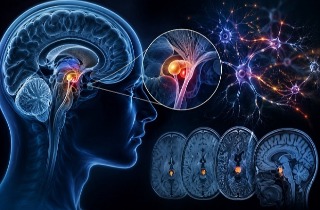
Brain scans showed abnormalities in nearly 60 percent of patients, most commonly involving the hippocampus and temporal lobes, areas responsible for memory and emotions. However, more than 40 percent had normal brain imaging, showing that a normal MRI cannot rule out the disease.
Electroencephalograms, which measure electrical activity in the brain, proved even more useful. More than three-quarters of patients had abnormal EEG findings, including widespread slowing of brain a
ctivity, seizure patterns, and the distinctive "delta brush" pattern often associated with anti-NMDA receptor encephalitis.
Blood and spinal fluid testing detected anti-NMDA receptor antibodies in approximately 61 percent of patients. Other laboratory findings included inflammation within the cerebrospinal fluid and elevated protein levels, further supporting an immune attack against the brain.
Early Treatment Improved Recovery
This
Medical News report highlights that prompt treatment made a significant difference. Nearly 87 percent of patients received high-dose intravenous corticosteroids to suppress the immune system, while many were also treated with intravenous immunoglobulin or plasmapheresis, a procedure that removes harmful antibodies from the bloodstream. Around one-third required the immune-suppressing drug rituximab after failing initial therapy.
The results were encouraging. More than half of all patients recovered completely, while almost 40 percent experienced partial recovery with lingering neurological or cognitive symptoms. Unfortunately, two patients died from severe complications, demonstrating that delayed recognition can have devastating consequences.
Researchers believe several biological mechanisms may explain the connection. COVID-19 appears capable of triggering excessive inflammation, disrupting the protective blood-brain barrier, and producing antibodies that mistakenly attack healthy brain tissue through a process called molecular mimicry.
Conclusion
The findings strengthen growing evidence that COVID-19 can occasionally trigger anti-NMDA receptor encephalitis, even in people without previous neurological disease. Although the condition remains uncommon, its symptoms can progress rapidly and become life-threatening if left untreated. The study also demonstrates that early recognition, antibody testing, and prompt immune-based treatment can dramatically improve patient outcomes. The researchers emphasize that larger prospective studies are still needed to confirm the relationship between SARS-CoV-2 infection and this autoimmune brain disorder while helping physicians develop faster diagnostic strategies and more effective treatment approaches for affected patients.
The study findings were published on a preprint server and are currently being peer reviewed.
https://www.preprints.org/manuscript/202606.2061
For the latest COVID-19 news, keep on logging to Thailand
Medical News.
Read Also:
https://www.thailandmedical.news/articles/coronavirus
https://www.thailandmedical.news/articles/long-covid




 Share
Share
 Tweet
Tweet
 Share
Share