Nikhil Prasad Fact checked by:Thailand Medical News Team Jun 12, 2026 1 month, 2 weeks, 5 days, 16 hours, 58 minutes ago
Medical News: Skin cancer has become one of the fastest-growing cancers worldwide, with rising numbers of both non-melanoma skin cancers and the more dangerous melanoma. Although modern treatments such as surgery, chemotherapy, radiotherapy, immunotherapy, and targeted therapies have improved survival rates, many patients continue to face challenges including treatment side effects, drug resistance, and poor outcomes in advanced disease. Scientists are now increasingly turning their attention to herbs and plant-derived phytochemicals that may offer new ways to prevent and combat skin cancer.
 Researchers identify numerous medicinal herbs and phytochemicals that may help prevent and treat skin cancer through
multiple anti-cancer mechanisms
A new review conducted by researchers from the School of Pharmacy and the Engineering Research Center of Natural Antineoplastic Drugs, Ministry of Education, Harbin University of Commerce in Harbin, China, has examined a wide range of medicinal herbs and their bioactive compounds that show promise against skin cancer. The review explores how these substances work at the molecular level and how emerging technologies may help transform them into future therapies.
Why Researchers Are Looking at Medicinal Herbs
For centuries, medicinal plants have been used in traditional healing systems across Asia and other parts of the world. Modern science is now revealing that many of these plants contain powerful phytochemicals capable of influencing biological pathways linked to cancer development.
Unlike many conventional drugs that target a single pathway, plant-derived compounds often act on multiple targets simultaneously. This broad activity may help suppress tumor growth, reduce inflammation, improve immune responses, repair DNA damage, and protect skin from ultraviolet radiation, one of the leading causes of skin cancer.
Key Herbs Showing Anti-Skin Cancer Potential
The review highlighted several medicinal plants whose active compounds have demonstrated impressive anti-cancer properties in laboratory and animal studies.
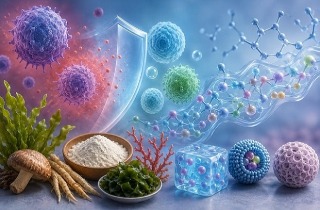
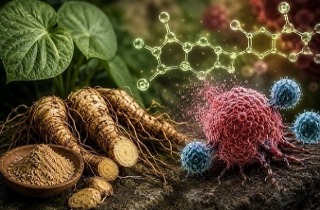
Turmeric, one of the most extensively studied medicinal herbs, contains curcumin, a compound that has shown the ability to inhibit melanoma growth, trigger cancer cell death, and delay tumor development. Curcumin also appears to interfere with cellular signaling pathways that tumors rely upon for survival and spread.
Astragalus has attracted attention because its polysaccharides may enhance immune responses against melanoma. Studies suggest these compounds can increase the infiltration of cancer-fighting immune cells while reducing the activity of pathways that help tumors evade immune detection.
Ganoderma lucidum, commonly known as Reishi mushroom, has shown potential in reducing inflammation and strengthening immune responses. Research indicates that compounds found in this mushroom may help counteract ultraviolet-induced immune suppression and reduce factors associated with tumor progression.
Phytochemicals That Attack Cancer Through Multi
ple Pathways
Several individual phytochemicals were identified as particularly promising.
Resveratrol, found in Polygonum cuspidatum, demonstrated the ability to suppress tumor cell growth, reduce inflammation, and decrease oxidative stress. It may also enhance the effectiveness of conventional cancer therapies when used in combination.
Berberine, a major compound found in Huanglian, was shown to inhibit the migration and invasion of melanoma cells. These findings are important because the ability of cancer cells to spread throughout the body is one of the major reasons skin cancer becomes life-threatening.
Triptolide and
celastrol, compounds derived from Tripterygium wilfordii, exhibited potent anti-cancer activity. Studies found that they could induce apoptosis, the process of programmed cancer cell death, while also reducing cancer cell survival and migration.
Other promising phytochemicals included
baicalein, honokiol, magnolol, oridonin, tanshinones, and
glycyrrhizic acid, all of which displayed varying abilities to suppress tumor growth, block metastasis, reduce inflammation, or protect skin cells from damage.
Protecting the Skin Before Cancer Develops
One of the most significant findings was the role of these compounds in preventing skin cancer before it starts.
Many phytochemicals were found to protect skin cells against ultraviolet radiation by reducing oxidative stress and inflammation. Some compounds enhanced the body's natural antioxidant systems, while others improved DNA repair mechanisms after UV exposure.
Compounds such as
baicalin, salvianolic acids, glycyrrhizic acid, liquiritin, and
oroxylin A demonstrated strong photoprotective properties. These findings suggest that certain plant-derived compounds could one day be incorporated into advanced skin protection products designed to reduce cancer risk.
This
Medical News report highlights that many of these compounds not only protect healthy skin but may also interfere with the earliest biological events that trigger cancer formation.
Future Treatment Possibilities
Researchers also discussed how modern technologies such as nanotechnology and targeted drug delivery systems could improve the effectiveness of herbal compounds. One of the biggest challenges facing phytochemicals is poor absorption and limited bioavailability. Advanced delivery technologies could help overcome these obstacles and make plant-derived therapies more practical for clinical use.
Artificial intelligence, gene analysis technologies, and precision medicine approaches are also expected to accelerate the identification of the most promising compounds and combinations for future skin cancer treatment strategies.
Conclusion
The growing body of research suggests that medicinal herbs and their phytochemicals possess remarkable potential in both the prevention and treatment of skin cancer. These compounds can influence multiple biological pathways involved in tumor growth, inflammation, immune regulation, metastasis, oxidative stress, and DNA repair. While most evidence currently comes from preclinical studies, the findings indicate that plant-derived compounds could eventually serve as valuable complementary therapies alongside conventional treatments. Future clinical trials will be crucial in determining their safety, effectiveness, and optimal use in patients. If these studies prove successful, herbs and phytochemicals may become important components of next-generation strategies for reducing the global burden of skin cancer.
The study findings were published in the peer reviewed journal: Pharmaceuticals.
https://www.mdpi.com/1424-8247/19/6/919
For the latest on Herbs and phytochemicals, keep on logging to Thailand
Medical News.
Read Also:
https://www.thailandmedical.news/articles/herbs-and-phytochemicals
https://www.thailandmedical.news/articles/cancer




 Share
Share
 Tweet
Tweet
 Share
Share