Researchers Warn That Just Like HIV, SARS-CoV-2 Also Causes Gastrointestinal Cancers!
Nikhil Prasad Fact checked by:Thailand Medical News Team Nov 16, 2025 10 months, 2 weeks, 4 days, 5 hours, 37 minutes ago
Medical News: Growing Concerns Over Viruses Driving Hidden Digestive Cancers
A new scientific review is raising urgent alarms after researchers from the First People’s Hospital Affiliated to Anhui Medical University China, Universiti Malaysia Sabah Malaysia, Shanghai Fourth People’s Hospital China and the School of Pharmaceutical Science of Guangzhou University of Chinese Medicine China revealed convincing evidence that both HIV and SARS-CoV-2 may quietly contribute to the development of gastrointestinal cancers. Their findings suggest that viruses may play a far bigger role in digestive system cancers than most people realize, and this
Medical News report examines these emerging concerns.
 Researchers Warn That Just Like HIV, SARS-CoV-2 Also Causes Gastrointestinal Cancers
How Viruses Trigger Digestive Cancers
Researchers Warn That Just Like HIV, SARS-CoV-2 Also Causes Gastrointestinal Cancers
How Viruses Trigger Digestive Cancers
Scientists have long known that some viruses directly cause cancer. Hepatitis B and C can lead to liver cancer, while HPV is closely linked to cervical and anal cancers. These viruses can damage cells, disrupt immune defenses, or trigger long-lasting inflammation that encourages cancer to form. The review highlights that about 15 to 20 percent of all cancers worldwide are linked to viral infections, showing how much they influence human health.
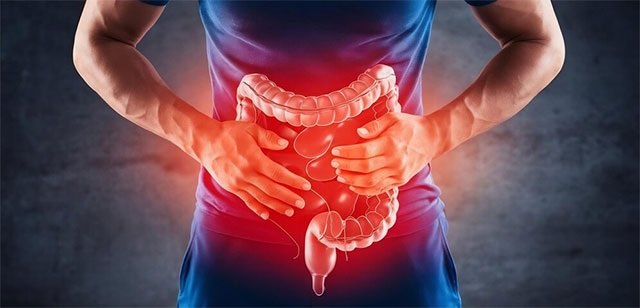
The gastrointestinal tract is especially vulnerable. It is constantly exposed to food, microbes, toxins and viral particles, making it one of the body’s most sensitive cancer-prone systems. Researchers note that 26 percent of all global cancer cases already come from gastrointestinal tumors, and any additional viral risk could significantly increase these numbers.
HIV: A Long-Recognized Driver of Gut Cancers
HIV weakens the immune system, disrupts the gut lining and changes the microbiome in ways that make cancer formation more likely. People living with HIV also have higher rates of co-infections with other cancer-linked viruses such as HPV, EBV and hepatitis viruses. Even with modern antiviral treatments, persistent inflammation and immune exhaustion continue to raise cancer risks, especially in the stomach, liver, colon and anus.
SARS-CoV-2 Emerging as a Cancer Trigger
The review warns that SARS-CoV-2 shows striking biological features that makes it a new driver of gastrointestinal cancers. The virus binds easily to ACE2 receptors, which are abundant throughout the digestive tract. Infection can cause major inflammation, long-lasting immune changes, chronic tissue injury and severe gut microbiome disruption. Long COVID adds additional layers of immune stress, raising questions about whether repeated or chronic viral presence may slowly push vulnerable cells toward cancer over time.
Implications for Screening and Future Research
The authors emphasize that doctors may need new guidelines for monitoring digestive health in people with chronic viral infections. More research is urgently required to identify biomarkers, develop screening tools and understand how viral damage progresses int
o cancer. Investigators stress that ignoring these risks could lead to a future surge in gastrointestinal cancers linked to past infections.
Conclusions
The researchers conclude that the combined effects of immune dysfunction, chronic inflammation, viral persistence and microbiome disruption make both HIV and SARS-CoV-2 important contributors to long-term cancer risk in the digestive system. They stress that while the evidence for HIV is well established, the emerging clues surrounding SARSCoV2 must not be dismissed. They warn that only through early surveillance, deeper biological studies and stronger public health awareness can future cancer burdens be reduced.
The study findings were published in the peer reviewed journal: Molecular Aspects of Medicine
https://www.sciencedirect.com/science/article/abs/pii/S0098299725000792
For the latest COVID-19 news, keep on logging to Thailand
Medical News.
Read Also:
https://www.thailandmedical.news/articles/coronavirus
https://www.thailandmedical.news/articles/cancer
https://www.thailandmedical.news/articles/long-covid




 Share
Share
 Tweet
Tweet
 Share
Share