Nikhil Prasad Fact checked by:Thailand Medical News Team Feb 14, 2026 6 months, 2 weeks, 2 days, 13 hours, 7 minutes ago
Medical News: A standardized mushroom powder restores brain signals and boosts memory in lab studies
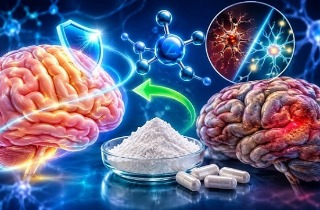
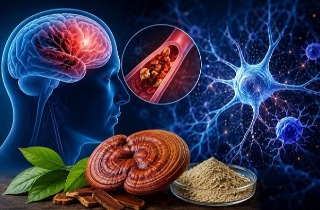
Researchers from the College of Pharmacy and Institute of Pharmaceutical Science at Gachon University in Incheon, the College of Pharmacy at Chungbuk National University in Cheongju, the Division of Food Science and Technology at Gyeongsang National University in Jinju, along with Doobon Inc. and CNGbio Corp., all in the Republic of Korea, have reported striking findings involving the medicinal mushroom Hericium erinaceus, commonly known as Lion’s Mane. Their new study suggests that a carefully standardized extract of this mushroom may protect the brain from memory loss and nerve damage.
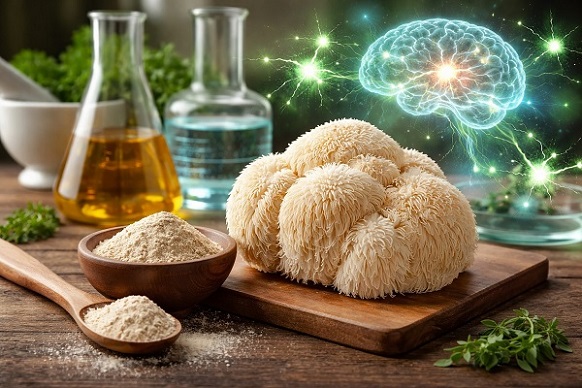 Standardized Lion’s Mane extract restores brain signaling and memory in laboratory models
Understanding Why Memory Fails
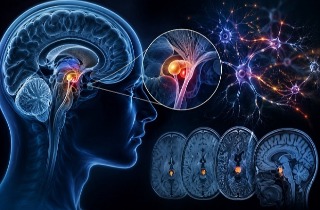
Conditions such as Alzheimer’s disease are linked to shrinking brain cells and weakening communication between them. One major reason is the breakdown of a chemical messenger called acetylcholine, which helps nerve cells transmit signals. When acetylcholine drops and the enzyme acetylcholinesterase rises, memory and thinking ability suffer.
Current medications like donepezil can temporarily improve symptoms, but they do not stop disease progression and may cause side effects. This has driven scientists to explore natural compounds that may offer safer long-term support. This
Medical News report highlights a new standardized Lion’s Mane extract powder developed under strict manufacturing conditions to ensure consistency and potency.
What Makes This Extract Different
Many previous mushroom studies used non-standardized products, meaning their composition varied. In this research, the team measured a key active compound called hericene A to ensure each batch contained a consistent amount. Laboratory analysis showed the extract contained 1.24 mg of hericene A per gram, higher than levels reported in earlier research.
Testing Brain Cells in the Lab
The scientists first examined human nerve-like cells exposed to scopolamine, a chemical known to trigger memory-related damage. Cells treated with scopolamine alone showed a sharp rise in markers of cell death. However, cells pretreated with the Lion’s Mane extract had significantly higher survival rates.
Importantly, the extract boosted levels of brain-derived neurotrophic factor, or BDNF, a protein that supports neuron growth and repair. It also activated protective signaling molecules known as CREB and ERK, both crucial for learning and memory formation.
Remarkable Memory Recovery in Mice
The team then tested the extract in mice injected with scopolamine to induce memory impairment. In maze-based experiments, untreated mice struggled to remember familiar paths and objects. But mice given 300 mg/kg of the extract showed dramatic improvements.
In the Y-maze test, memory performance rose to nearly 60 p
ercent, compared to just 38 percent in untreated animals. In object recognition tests, treated mice reached almost 64 percent recognition, versus 41 percent in impaired mice. These improvements were comparable to those seen in mice treated with donepezil.
Restoring Brain Chemistry and Structure
Further analysis revealed that treated mice had restored acetylcholine levels and lower acetylcholinesterase activity. Brain tissue studies showed healthier hippocampal neurons and stronger BDNF expression, especially in memory-related regions.
The extract also reactivated survival pathways involving BDNF, CREB, ERK, and AKT proteins, which help maintain healthy neural connections.
Conclusion
Overall, the findings suggest that standardized Lion’s Mane extract works through multiple protective mechanisms. It restores chemical balance in the brain, prevents nerve cell death, strengthens memory-related signaling pathways, and preserves the physical structure of memory centers. The researchers believe this multi-target action makes it a promising functional food ingredient for preventing cognitive decline linked to cholinergic dysfunction. However, they emphasize that human clinical trials are still needed before firm recommendations can be made.
The study findings were published in the peer reviewed journal: Scientia Pharmaceutica.
https://www.mdpi.com/2218-0532/94/1/12
For the latest on Herbs and Phytochemicals, keep on logging to Thailand
Medical News.
Read Also:
https://www.thailandmedical.news/articles/herbs-and-phytochemicals




 Share
Share
 Tweet
Tweet
 Share
Share