Nikhil Prasad Fact checked by:Thailand Medical News Team Jun 09, 2026 1 month, 3 weeks, 2 days, 22 hours, 53 minutes ago
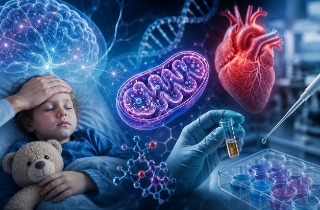
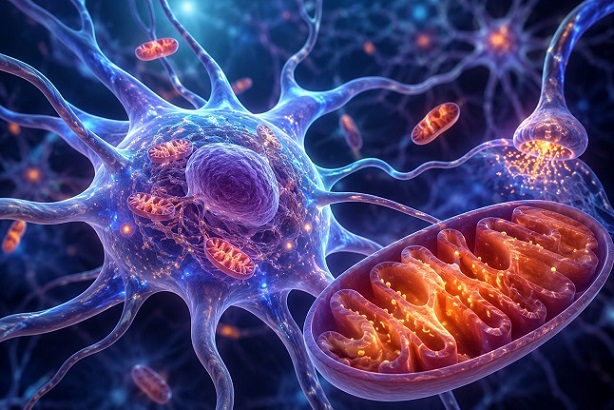
Medical News: Statins, among the most widely prescribed medications for lowering cholesterol, may be causing unexpected changes inside critical brain support cells, according to new research. Scientists have discovered that these drugs can significantly reduce levels of coenzyme Q, a molecule essential for cellular energy production, forcing brain cells known as astrocytes to undergo major metabolic adjustments in order to survive.
 Researchers discover that statins reduce coenzyme Q in brain support cells, triggering major energy and metabolic
adaptations
The study was conducted by researchers from the Laboratory of Mitochondrial Biochemistry, Department of Bioenergetics, Faculty of Biology, Adam Mickiewicz University in Poznan, Poland. The team included Krzysztof Wojcicki, Lukasz Galganski, Adrianna Budzinska, Grzegorz Figura, and Wieslawa Jarmuszkiewicz.
Why Astrocytes Matter
Astrocytes are among the most abundant cells in the brain. Although they are not neurons, they play a vital role in maintaining healthy brain function. They provide nutrients to nerve cells, help regulate chemical signals, maintain antioxidant defenses, and support overall brain energy balance.
Because certain statins can cross the blood-brain barrier, scientists have long wondered how these drugs affect astrocytes.
While statins are highly effective at reducing cardiovascular risk, little has been known about their long-term impact on the energy systems of these important brain cells.
Statins Trigger a Sharp Decline in Coenzyme Q
The researchers exposed rat astrocytes to clinically relevant concentrations of atorvastatin and simvastatin for six days. They found that both drugs reduced total cellular coenzyme Q levels by about 35 percent.
More strikingly, the reduced antioxidant forms of coenzyme Q were depleted even more severely. Levels of reduced CoQ9 fell by approximately 60 percent, while reduced CoQ10 dropped by roughly 75 percent.
Since coenzyme Q is a crucial component of the mitochondrial energy-production machinery, the findings immediately raised concerns about possible energy deficits inside the cells.
A Surprising Drop in Oxidative Stress
Conventional thinking suggests that lowering coenzyme Q should increase oxidative stress because the molecule acts as an important antioxidant. Surprisingly, the opposite occurred.
Both atorvastatin and simvastatin lowered overall cellular and mitochondrial reactive oxygen species by roughly 11 to 20 percent.
The researchers found evidence that astrocytes responded to coenzyme Q depletion by activating powerful protective mechanisms.
Levels of antioxidant defense proteins increased significantly. Glutathione reductase rose by around 50 percent, while superoxide dismutase levels also increased. At the same time, protective stress-response factors such as NRF2, HIF1α, and brain-derived neurotrophic factor (BDNF) were elevated, indicating that the cells had switched on survival pathways to compensate for the metabolic challenge.
t;Brain Cells Change How They Produce Energy
One of the most important findings was that statin-treated astrocytes dramatically altered their energy strategy.
The cells showed signs of increased glycolysis, a process that generates energy from glucose without relying heavily on mitochondria. Markers of both glycolytic activity and mitochondrial remodeling were elevated.
At the same time, mitochondria became less efficient. The researchers observed increased proton leak, reduced ATP-linked respiration, and lower overall ATP levels. ATP is often described as the body's energy currency, and reductions of approximately 14 to 27 percent were recorded in statin-treated cells.
This Medical News report highlights that despite maintaining cell survival, astrocytes appeared to prioritize protection against stress and maintenance of redox balance over maximum energy production.
Mitochondria Undergo Extensive Remodeling
The study also revealed substantial changes in mitochondrial structure and behavior. Proteins involved in mitochondrial biogenesis increased, suggesting that astrocytes attempted to create additional mitochondria to compensate for declining efficiency.
Markers of mitochondrial fission, a process in which mitochondria divide into smaller units, also rose significantly. However, markers of mitochondrial fusion remained largely unchanged.
These findings suggest that astrocytes actively remodel their mitochondrial network when coenzyme Q levels fall, potentially as a survival strategy designed to maintain essential cellular functions.
CoQ10 Supplementation Shows Promise
The researchers then investigated whether supplemental CoQ10 could reverse some of the observed effects.
Adding CoQ10 substantially increased cellular coenzyme Q levels and successfully restored ATP production. Interestingly, however, supplementation did not further reduce oxidative stress, which was already lowered by the statin-induced adaptive response.
This suggests that the primary benefit of CoQ10 in this setting may be improved energy production rather than additional antioxidant protection.
Conclusion
The findings reveal a complex and unexpected response of brain support cells to statin therapy. Rather than simply becoming damaged by declining coenzyme Q levels, astrocytes appear to activate sophisticated survival mechanisms that reduce oxidative stress while simultaneously reprogramming how they generate energy. However, these adaptations come at a cost, as mitochondrial efficiency and ATP production are significantly impaired. The discovery that CoQ10 supplementation restores energy levels without further affecting oxidative stress suggests that coenzyme Q depletion may be a key contributor to statin-related cellular energy disturbances. Although these experiments were conducted in laboratory-grown rat astrocytes and not in humans, the results provide important new insights into how statins may influence brain metabolism and raise intriguing questions about whether CoQ10 supplementation could help support cellular energy balance in some statin users.
The study findings were published in the peer reviewed journal: Antioxidants.
https://www.mdpi.com/2076-3921/15/6/725
For the latest on statins, keep on logging to Thailand Medical News.
Read Also:
https://www.thailandmedical.news/articles/med-news




 Share
Share
 Tweet
Tweet
 Share
Share