Nikhil Prasad Fact checked by:Thailand Medical News Team Aug 23, 2026 1 hour, 1 minute ago
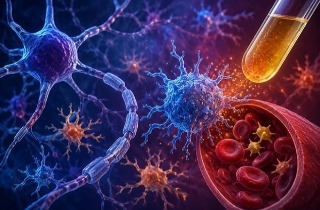
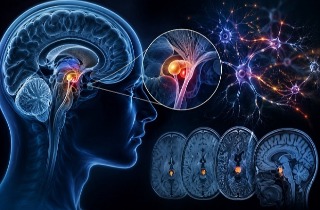
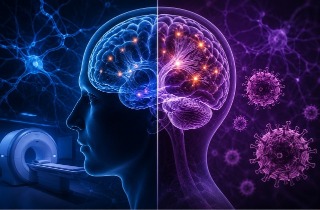
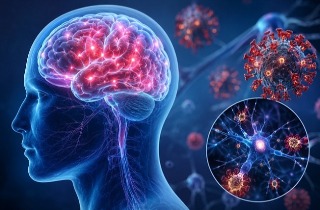
A new study of older adults with neurologic long COVID has uncovered unusual changes in immune cells that may help explain why some people continue to experience brain fog months after infection.
 Neurologic long COVID was linked to mitochondrial stress and disrupted coordination between key immune cells involved
in cognition
Neuro-PASC, the neurologic form of post-acute sequelae of SARS-CoV-2 infection, can include problems with thinking, fatigue and disturbed sleep. The study focused on adults older than 55 and examined how sleep, blood oxygen, cognition, and immune-cell energy systems were connected.
How the Study Was Conducted
The analysis included 62 participants. Researchers used flow cytometry to examine immune cells, sleep monitoring to measure nighttime physiology, standardized NIH Toolbox tests to assess processing speed, attention, executive function, and working memory, and single-cell RNA sequencing to examine gene activity.
The research institutions were the Davee Department of Neurology, Department of Immunology-Microbiology, and Department of Preventive Medicine at Northwestern University Feinberg School of Medicine, along with Northwestern Medicine.
Immune Cells Showed Signs of Mitochondrial Stress
One striking finding involved monocytes, immune cells involved in infection and inflammation. People with Neuro-PASC had a lower proportion of circulating monocytes than COVID convalescent controls: 7.3% versus 13.1%. Their monocytes also showed increased mitochondrial reactive oxygen species, or mtROS, suggesting an altered redox state inside the cells’ energy-producing mitochondria.
The Neuro-PASC group also had fewer CD4+ T cells, although the clearest abnormalities centered on monocytes.
Nighttime Oxygen Linked with Thinking Speed
Among participants with Neuro-PASC, higher minimum blood oxygen saturation during sleep was associated with better processing speed. The relationship differed from that seen in participants without Neuro-PASC, suggesting that nighttime oxygenation could be particularly relevant to cognitive performance in this condition.
In this Thailand
Medical News report, the findings do not mean that giving supplemental oxygen will improve brain fog. The study itself notes that previous oxygen trials have not shown an overall cognitive benefit.
A 13-Gene Signal Points to Disrupted Immune Coordination
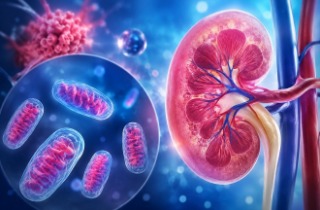
The most detailed analysis involved 11 participants who underwent single-cell RNA sequencing. Investigators identified changes involving Complex V, part of the mitochondrial machinery that helps cells produce ATP, their main energy currency.
In people without Neuro-PASC, Complex V-related activity showed coordinated relationships with cognition and energy-related programs across T-cell populations. In Neuro-PASC, that coordination was weakened, inconsistent, or reversed. Thirteen overlapping genes formed what the study called a “monocyte anchor,” a molecu
lar signature linked with cognition.
Importantly, higher expression of these genes in Neuro-PASC generally tracked with poorer cognitive performance and greater symptom burden. Separate flow-cytometry findings also supported reduced coordination between mitochondrial activity in monocytes and several T-cell groups.
Conclusions
The results suggest that neurologic long COVID may involve disrupted communication or shared regulation between immune-cell energy systems, rather than a simple increase or decrease in mitochondrial activity. Because the RNA-sequencing group was small and the study was cross-sectional, larger longitudinal studies are needed before these findings can establish cause, predict symptoms, or guide treatment.
The study findings were published in the peer reviewed International Journal of Molecular Sciences.
https://www.mdpi.com/1422-0067/27/16/7474
Read Also:
https://www.thailandmedical.news/articles/long-covid 



 Share
Share
 Tweet
Tweet
 Share
Share