Nikhil Prasad Fact checked by:Thailand Medical News Team Jan 06, 2026 8 months, 4 weeks, 1 day, 3 hours, 7 minutes ago
Medical News: Lingering Mental Effects After COVID-19 Raise New Alarms
Many people who have recovered from COVID-19 continue to complain about memory lapses, poor concentration, confusion, and what is commonly called “brain fog.” A major new scientific review now explains why these problems happen and why they can last for months or even years after infection. This
Medical News report is based on an extensive analysis of existing research that examined how COVID-19 affects the blood-brain barrier and immune system over time.
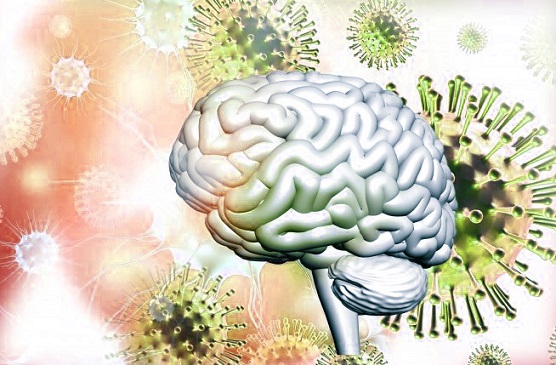 New research reveals how lingering inflammation after COVID disrupts the brain and fuels long-term brain fog
The study was conducted by researchers from the Department of Clinical and Health Psychology, Universitat Autònoma de Barcelona, Spain, the Institut de Recerca Sant Joan de Déu, Spain, Universidad San Sebastián, Chile, CIBERSAM Biomedical Network Research Center of Mental Health, Spain, and the University of Vic–Central University of Catalonia, Spain.
How COVID-19 Triggers Brain Problems
The researchers found that COVID-19 does not need to directly infect the brain to cause cognitive issues. Instead, the virus triggers a powerful immune reaction in the body. This leads to high levels of inflammatory substances called cytokines circulating in the blood. These cytokines can weaken the blood–brain barrier, a protective layer that normally shields the brain from harmful substances.
Once this barrier is compromised, inflammatory signals can enter the brain, activating brain support cells and disrupting normal communication between nerve cells. This helps explain why many patients experience attention problems, memory loss, and slower thinking even after their lungs have healed.
Brain Fog Changes Over Time
The review showed that cognitive symptoms evolve in stages. During the first few weeks of infection, problems mainly affect attention, working memory, and decision-making. These early issues are usually linked to inflammation, low oxygen levels, and overall illness stress rather than permanent brain damage.
Between one and three months after infection, many patients still struggle with concentration and mental fatigue. By six months and beyond, a significant number develop broader cognitive difficulties involving multiple brain functions. In some people, these problems persist for over a year, especially those who had severe illness or ongoing inflammation.
Blood Markers Reveal Hidden Damage
Blood tests revealed important clues. Certain inflammatory cytokines such as IL-6, IL-1β, TNFα, IL-8, and IL-13 remain elevated long after infection in people with brain fog. At the same time, proteins linked to brain cells and blood–brain barrier damage appear in the bloodstream, confirming that the brain’s protective system is affected.
While most patients show signs of recovery within six months, a smaller group continues to hav
e ongoing inflammation and blood–brain barrier disruption, which strongly correlates with persistent cognitive symptoms.
Why These Findings Matter
This research highlights that post-COVID brain problems are real, measurable, and biologically driven. The findings suggest that early cognitive screening, long-term follow-up, and targeted brain rehabilitation are urgently needed. Ignoring these symptoms risks pushing patients into long-lasting cognitive decline that affects work, independence, and quality of life.
Conclusion
The study clearly shows that COVID-19 can cause long-term cognitive impairment through sustained inflammation and damage to the blood–brain barrier, even after the initial infection resolves. These findings emphasize the urgent need for long-term monitoring, early intervention, and specialized cognitive rehabilitation to prevent permanent mental health consequences in COVID-19 survivors.
The study findings were published in the peer reviewed International Journal of Molecular Sciences
https://www.mdpi.com/1422-0067/27/1/546
For the latest COVID-19 news, keep on logging to Thailand
Medical News.
Read Also:
https://www.thailandmedical.news/articles/coronavirus
https://www.thailandmedical.news/articles/long-covid




 Share
Share
 Tweet
Tweet
 Share
Share

































