Dysfunctional Gamma-Delta T Cells May Explain Why Some COVID-19 Cases Turn Critical
Nikhil Prasad Fact checked by:Thailand Medical News Team Jun 04, 2026 1 month, 2 weeks, 4 days, 19 hours, 1 minute ago
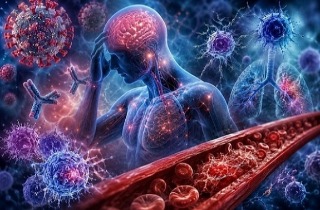
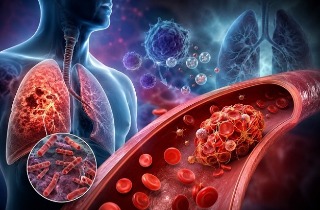
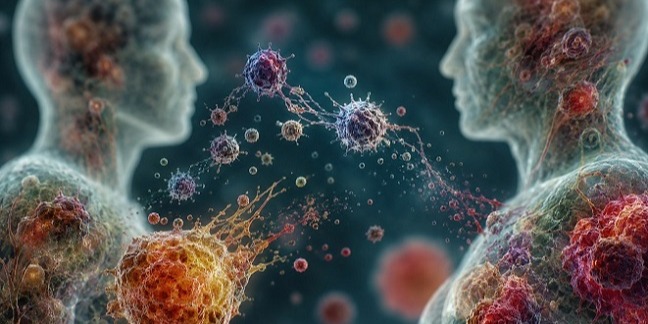
Medical News: A new Brazilian study has uncovered important differences in a little-known group of immune cells that may help explain why some people develop life-threatening COVID-19 while others experience less severe illness. Researchers found that a specialized immune cell known as the gamma-delta (γδ) T cell, particularly a subtype called Vδ2 cells, appears to lose key protective functions in patients with severe COVID-19. The findings suggest that these cells may play a crucial role in preventing disease from progressing to critical stages.
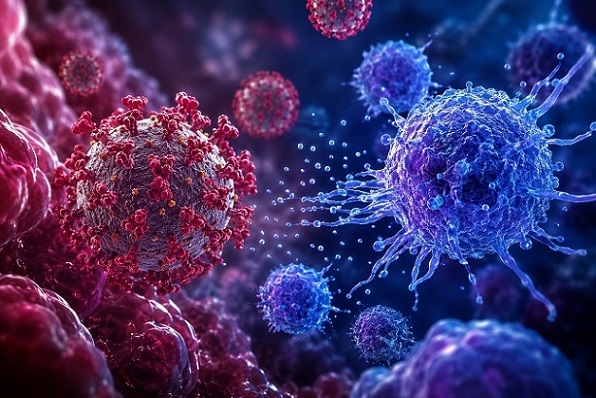 Brazilian researchers identify a potentially protective immune cell response that is lost in patients with severe COVID-19
The study was conducted by scientists from the Laboratório de AIDS & Imunologia Molecular at the Instituto Oswaldo Cruz (IOC-FIOCRUZ), the Instituto Nacional de Infectologia Evandro Chagas (INI-FIOCRUZ), and the Flow Cytometry Platform–Multiparametric Analysis Unit at the Oswaldo Cruz Institute, all located in Rio de Janeiro, Brazil.
Looking Beyond Traditional Immune Responses
Since the start of the pandemic, scientists have known that the immune system largely determines whether a person recovers quickly or develops severe complications. While much attention has focused on antibodies and conventional T cells, γδ T cells have remained relatively understudied.
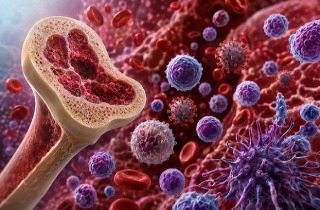
These cells represent only a small fraction of immune cells circulating in the blood but are abundant in tissues such as the lungs, gut, and skin. They act as a bridge between the body's innate and adaptive immune defenses and can respond rapidly to infections.
To investigate their role in COVID-19, researchers analyzed blood samples from 44 hospitalized, unvaccinated patients during the first wave of the pandemic. Fifteen patients had moderate disease without oxygen support, fifteen required oxygen therapy, and fourteen had severe disease requiring mechanical ventilation.
Severe Cases Show Signs of Immune Exhaustion
The team isolated γδ T cells and tested how effectively they responded when stimulated in the laboratory.
One of the most striking findings was that patients with severe disease showed a significant reduction in Vδ2 cells capable of producing important immune molecules. These cells displayed lower levels of TRAIL, a molecule that helps destroy virus-infected cells, and reduced production of TNF-α, another key component of antiviral defense.
Researchers also observed evidence that the overall functional capacity of Vδ2 cells became increasingly restricted as disease severity worsened. Rather than mounting a strong response against the virus, these cells appeared impaired or exhausted.
This pattern fits with growing evidence that severe COVID-19 is not simply caused by an overactive immune response but also by the collapse of certain protective immune mechanisms.
The Surprising Importance of IL-17
Perhaps the most intriguing discovery
involved a signaling molecule called IL-17.
IL-17 has often been viewed with suspicion because excessive levels can contribute to inflammation. However, the new study paints a more complex picture.
Patients with moderate COVID-19 retained significantly higher numbers of IL-17-producing Vδ2 cells, while those with severe disease had dramatically fewer of these cells. The decline became more pronounced as disease severity increased.
The researchers believe this could indicate that IL-17-producing Vδ2 cells play a protective role during SARS-CoV-2 infection. Rather than worsening disease, they may help coordinate tissue repair, regulate inflammation, and support recovery in the lungs.
Interestingly, severe patients still possessed cells carrying markers normally associated with IL-17 production, but many of those cells no longer produced the cytokine itself. This suggests a functional breakdown in the immune response rather than a complete loss of the cells.
A Hidden Immune Population Emerges
The investigation also identified an unusual γδ T-cell population lacking the classic Vδ1 and Vδ2 markers. These Vδ1−Vδ2− cells accounted for more than 16% of all γδ T cells and appeared to expand during laboratory stimulation.
Although their exact role remains unclear, the discovery suggests that COVID-19 may influence previously overlooked immune cell populations that deserve further investigation.
In addition, patients who ultimately survived and were discharged from hospital retained higher levels of circulating γδ T cells and displayed stronger signs of cellular killing activity than patients who died. These findings further support the idea that preserving γδ T-cell function may contribute to better outcomes.
What the Findings Mean
This Medical News report highlights growing evidence that severe COVID-19 involves not only excessive inflammation but also the loss of important protective immune responses. The study suggests that Vδ2 γδ T cells become functionally compromised in critically ill patients, particularly their ability to produce IL-17 and execute antiviral functions.
The findings raise the possibility that therapies aimed at preserving or restoring the activity of these cells could improve outcomes in severe infections. While more research is needed to determine exactly how these immune cells influence disease progression, the results provide valuable insight into the complex immune disruptions that occur during critical COVID-19. The work also challenges the simplistic view that IL-17 is always harmful, suggesting instead that certain IL-17-producing immune cells may help limit lung damage, support tissue repair, and reduce the likelihood of life-threatening complications. Future studies may reveal whether boosting these protective responses can become part of new treatment strategies for severe viral infections.
The study findings were published in the peer reviewed journal: Cells.
https://www.mdpi.com/2073-4409/15/11/1020
For the latest COVID-19 News, keep on logging to Thailand
Medical News.
Read Also:
https://www.thailandmedical.news/articles/coronavirus
https://www.thailandmedical.news/articles/long-covid




 Share
Share
 Tweet
Tweet
 Share
Share