Nikhil Prasad Fact checked by:Thailand Medical News Team Jul 24, 2026 1 hour, 20 minutes ago
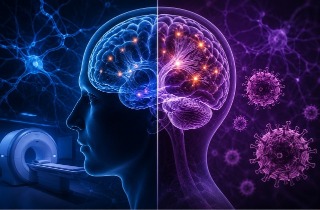
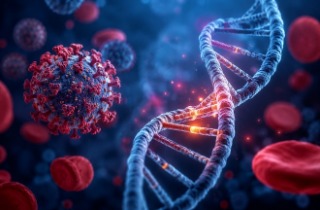
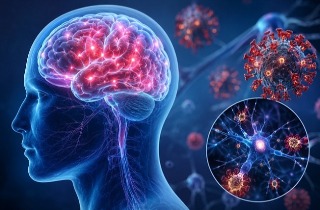
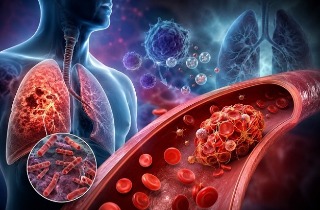
Medical News: Respiratory viruses such as SARS-CoV-2 and influenza may be doing far more than causing temporary infections. A new scientific review suggests these viruses can weaken one of the body's most important defense systems, making survivors far more vulnerable to dangerous bacterial pneumonia. The review was conducted by researchers from the Department of Biology at Georgia State University in Atlanta, Georgia, USA.
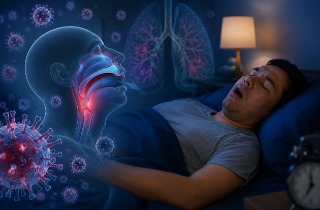
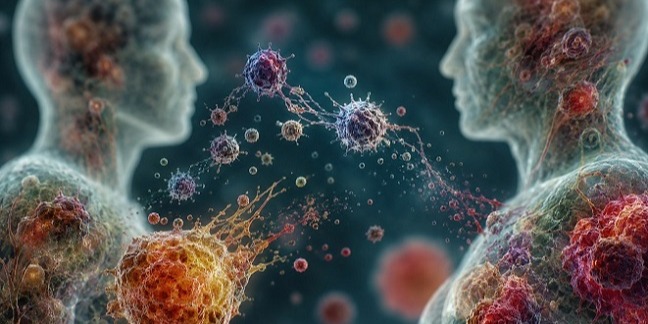
 New research suggests respiratory viruses can weaken lung immune cells, allowing dangerous bacteria to
trigger severe pneumonia after viral infections.
Viruses May Turn the Immune System Against Itself
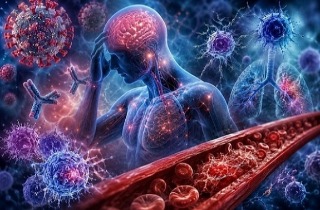
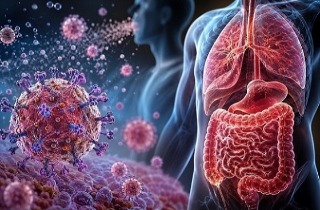
The review focuses on specialized immune cells called macrophages, which patrol the lungs and destroy invading bacteria. According to the researchers, several respiratory viruses interfere with the internal machinery that allows these cells to kill harmful microbes. Instead of efficiently destroying bacteria, the damaged macrophages may allow them to survive and multiply, increasing the risk of severe secondary infections.
One of the most important discoveries discussed is that coronaviruses appear particularly effective at disrupting tiny acidic compartments inside macrophages known as lysosomes. These structures normally digest bacteria after they have been engulfed. When viruses reduce the acidity inside lysosomes, many bacteria can escape destruction.
Why Some People Become Much Sicker
The review also explains why only some people develop severe bacterial pneumonia after viral infections. The answer may lie in the health of the person's own cells.
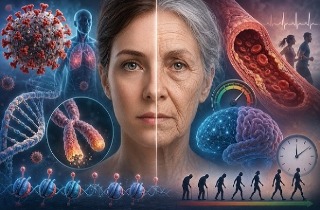
Researchers propose that aging, chronic diseases, inflammation, and poor mitochondrial function reduce the ability of macrophages to maintain healthy lysosomes. The review highlights declining cellular energy production, depletion of NAD+, and disrupted communication between mitochondria and lysosomes as major contributors. Together, these changes may create an ideal environment for bacteria to thrive after a viral illness.
This
Medical News report highlights that these host-related factors may be just as important as the virus itself in determining who develops life-threatening complications.
A Chain Reaction Inside the Lungs
The review describes how coronavirus proteins may directly damage lysosomes while also blocking their ability to merge with bacteria-containing compartments. Laboratory and animal studies reviewed by the authors showed that macrophages infected with mouse hepatitis virus, a coronavirus model, became much less effective at killing both Streptococcus pneumoniae and Pseudomonas aeruginosa. The damaged immune cells also released inflammatory molecules that further injured lung tissue, creating conditions that favored bacterial growth.
The researchers also introduce a new hypothesis suggesting that injured macrophages may spread damage to neighboring immune cells through tiny extracellular vesicles carrying gasdermin
proteins. If confirmed, this could explain why immune dysfunction continues to spread even after only some cells become infected.
Implications for Future Treatments
The review suggests that future therapies should not only target viruses but also protect macrophage metabolism and lysosomal function. Treatments that restore mitochondrial activity, replenish NAD+, preserve lysosomal acidity, or reduce excessive inflammatory damage could potentially lower the risk of deadly secondary bacterial pneumonia following respiratory viral infections. These approaches remain experimental but offer promising directions for future research.
Conclusion
The findings suggest that severe bacterial pneumonia following viral infections is not simply caused by weakened immunity but by a complex breakdown of the lung's bacterial defense machinery. Protecting macrophage health, maintaining cellular energy production, and preventing lysosomal dysfunction may become essential therapeutic strategies for reducing complications and deaths after infections caused by SARS-CoV-2, influenza, and other respiratory viruses as future research continues to validate these mechanisms.
The study findings were published on a preprint server and are currently being peer-reviewed.
https://www.preprints.org/manuscript/202607.1682
For the latest COVID-19 news, keep on logging to Thailand
Medical News.
Read Also:
https://www.thailandmedical.news/articles/coronavirus
https://www.thailandmedical.news/articles/long-covid




 Share
Share
 Tweet
Tweet
 Share
Share