Nikhil Prasad Fact checked by:Thailand Medical News Team Dec 30, 2025 9 months, 5 days, 1 hour, 4 minutes ago
Medical News: Coconut Milk Enters the Diabetes Spotlight
Researchers have discovered that coconut milk may contain natural compounds capable of helping control blood sugar and reduce diabetes-related damage. In a new scientific investigation covered in this
Medical News report, small protein fragments called bioactive peptides were found to target multiple processes linked to type 2 diabetes, offering hope for safer food-based support options.
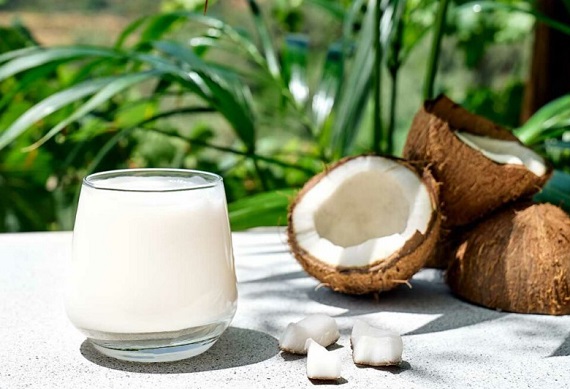 Coconut milk peptides may help control blood sugar and reduce diabetes-related damage naturally
Research Teams Behind the Discovery
Coconut milk peptides may help control blood sugar and reduce diabetes-related damage naturally
Research Teams Behind the Discovery
The study was conducted by scientists from the Department of Biotechnology and Bioinformatics at JSS Academy of Higher Education and Research in Mysuru, India; the Department of Physical Chemistry at Nicolaus Copernicus University in Toruń, Poland; the Institute of Computer Science at Kazimierz Wielki University in Bydgoszcz, Poland; the Faculty of Telecommunications, Computer Science and Electrical Engineering at Bydgoszcz University of Science and Technology, Poland; and the Department of Pharmaceutics at King Saud University in Riyadh, Saudi Arabia.
Why Diabetes Needs Better Approaches
Type 2 diabetes is marked by persistently high blood sugar levels. Over time, excess glucose damages blood vessels, nerves, and organs. It also leads to the formation of harmful sugar byproducts known as advanced glycation end products, which worsen inflammation and long-term complications. Many current medications can cause side effects when used continuously, creating demand for safer alternatives.
How Coconut Milk Was Analyzed
Scientists extracted proteins from coconut milk and simulated human digestion to break them into smaller peptides. Using advanced mass spectrometry and computer modeling, they identified 114 distinct peptides and tested how well they interacted with enzymes involved in sugar digestion and diabetic complications.
One Peptide Shows Strong Multi-Action Effects
Among the peptides identified, one named ADVFNPR showed outstanding performance. Laboratory testing revealed that it strongly inhibited enzymes responsible for breaking down carbohydrates into glucose. It also blocked aldose reductase, an enzyme linked to nerve and eye damage in diabetes, and interacted with pathways related to glycation and inflammation.
Laboratory Results Support Real Benefits
ADVFNPR performed better than some standard diabetes drugs in enzyme-blocking tests, requiring lower doses to achieve the same effects. It also demonstrated antioxidant activity by neutralizing harmful free radicals and scavenging methylglyoxal, a toxic compound that accelerates diabetic tissue damage. Importantly, safety tests showed low damage to human red blood cells, suggesting good biocompatibility.
Why This Discovery Is Important
Unlike single-target drugs, this coconut milk peptide works on several disease pathways at once. It slo
ws sugar absorption, reduces oxidative stress, and limits glycation-related damage. This multi-functional behavior makes it particularly valuable for managing a complex disease like type 2 diabetes.
Conclusion
The findings suggest that coconut milk contains naturally occurring peptides capable of addressing multiple mechanisms involved in type 2 diabetes. The peptide ADVFNPR demonstrated strong enzyme inhibition, antioxidant effects, glycation control, and low toxicity. While human clinical studies are still needed, this research supports the idea that everyday foods like coconut milk could one day contribute to safer and more holistic diabetes management strategies.
The study findings were published in the peer reviewed International Journal of Molecular Sciences.
https://www.mdpi.com/1422-0067/27/1/360
For the latest on diabetes, keep on logging to Thailand
Medical News.
Read Also:
https://www.thailandmedical.news/articles/diabetes




 Share
Share
 Tweet
Tweet
 Share
Share

































