Nikhil Prasad Fact checked by:Thailand Medical News Team Feb 15, 2026 6 months, 2 weeks, 1 day, 6 hours, 59 minutes ago
Thailand Medical:
Prison death highlights dangers for vulnerable patients
Thai health authorities are raising serious concerns after a 44-year-old male inmate at Thonburi Remand Prison died from mpox, marking one of the latest fatalities linked to the viral disease in the country. The inmate passed away on February 11th at the Medical Correctional Institution in Bangkok’s Chatuchak district after his condition rapidly deteriorated due to multiple untreated underlying infections and severe immune suppression.
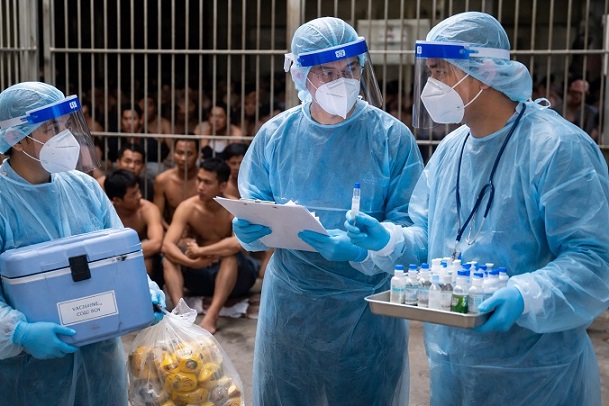 Health officials intensify monitoring and vaccination efforts after fatal mpox case in Bangkok prison.
Dr Montien Kanasawat, Director-General of the Department of Disease Control, revealed that the inmate had been transferred to Thonburi Remand Prison on January 20th with wounds already present on his leg. Shortly afterward, he developed classic mpox symptoms including fever and a spreading rash. Medical staff quickly recognized the severity of his illness and transferred him to a specialized correctional medical facility for treatment.
Doctors discovered that the patient was also living with HIV, hepatitis B, hepatitis C, and syphilis, none of which had been properly treated before his imprisonment. These untreated infections caused severe immunodeficiency, making his body unable to effectively fight the mpox virus. Despite intensive medical efforts, his condition worsened, ultimately leading to his death.
Health officials believe the inmate likely contracted mpox before entering prison, but the absence of HIV treatment significantly worsened the disease progression. This
Thailand Medical News report underscores how mpox can become life-threatening in individuals with compromised immune systems.
Rapid containment and monitoring inside correctional facilities
Following confirmation of the mpox infection, disease control and prison officials immediately implemented containment measures to prevent further spread. Thirty-two inmates who had shared the same prison area with the deceased were isolated, while the prison environment underwent deep cleaning and proper disposal of potentially infectious waste.
In addition, nineteen individuals identified as high-risk contacts received post-exposure preventive treatment, while approximately 80 inmates and prison personnel remain under close medical observation.
Dr Niti Hetanurak, Deputy Director-General of the Department of Disease Control, reassured the public that no secondary infections have been detected among those in close contact with the deceased inmate so far. Authorities emphasized that early detection, isolation, and vaccination remain essential tools in preventing outbreaks, particularly in confined environments such as prisons.
Thailand nearing 1000 mpox cases since 2022 outbreak
Thailand has recorded nearly 1,000 confirmed mpox cases since the virus first emerged in the country in 2022, with Bangkok reporting the highest number of infections. According to government health data, approximately 97 percent of cases have occurred in men, mo
st of whom were of working age and had a history of close physical or sexual contact with unfamiliar partners.
Bangkok leads the nation with 458 confirmed cases, followed by Chon Buri with 85, Nonthaburi with 50, Phuket with 35, and Samut Prakan with 32. Major tourist destinations have seen higher transmission rates, highlighting the role of travel and close interpersonal contact in spreading the virus.
Since the first case was detected in Phuket in 2022, Thailand has documented at least 13 deaths linked to mpox. Most patients recover within two to four weeks, but severe complications can occur in individuals with weakened immune systems, including those living with HIV, cancer patients undergoing treatment, transplant recipients, and young children.
Vaccination and surveillance intensified nationwide
In response to rising cases and recent fatalities, the Department of Disease Control has distributed at least 2,000 doses of mpox vaccine to healthcare workers and high-risk groups across Bangkok, Chonburi, Chiang Mai, and Phuket. Health authorities are also strengthening screening procedures in areas reporting active infections.
Public health officials are urging citizens to avoid close contact with individuals showing unexplained rashes, blisters, or skin lesions. Early medical evaluation and prompt treatment can significantly reduce complications and limit further transmission.
Growing urgency to protect vulnerable populations
The recent prison death highlights the critical importance of early diagnosis, proper treatment of underlying diseases, and preventive vaccination. Individuals with untreated HIV or other immune-compromising conditions face a much higher risk of severe illness and death from mpox. Experts warn that while the virus may cause mild illness in healthy individuals, it can become deadly when the immune system is weakened.
Health authorities stress that continued surveillance, public awareness, and targeted vaccination programs are essential to prevent further fatalities. The case also exposes gaps in healthcare access among vulnerable populations, particularly those with untreated chronic infections. Strengthening early testing, improving treatment access for HIV and other conditions, and ensuring vaccination coverage among high-risk groups could significantly reduce future deaths and help contain the spread of mpox across Thailand.
References:
https://ddc.moph.go.th/brc/news.php?news=58380
https://ddc.moph.go.th/monkeypox/dashboard.php
https://ddc.moph.go.th/monkeypox/index.php
https://opendata.ddc.moph.go.th/no/dataset/ddc_dddc_68_02
For the latest on the Mpox Situation in Thailand, keep on logging to
Thailand Medical News.
Read Also:
https://www.thailandmedical.news/articles/monkeypox




 Share
Share
 Tweet
Tweet
 Share
Share

































