Nikhil Prasad Fact checked by:Thailand Medical News Team Mar 24, 2026 5 months, 1 week, 2 days, 10 hours, 44 minutes ago
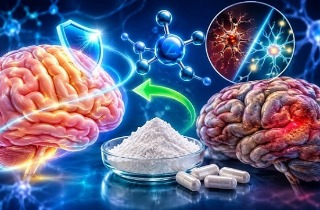
Medical News: A new scientific study is drawing attention to a promising combination of compounds that could help slow brain cell damage linked to neurodegenerative diseases such as Alzheimer’s. The research focuses on a pairing known as 5-ALA and sodium ferrous citrate (SFC), which appears to reduce harmful stress inside brain cells and protect them from degeneration.
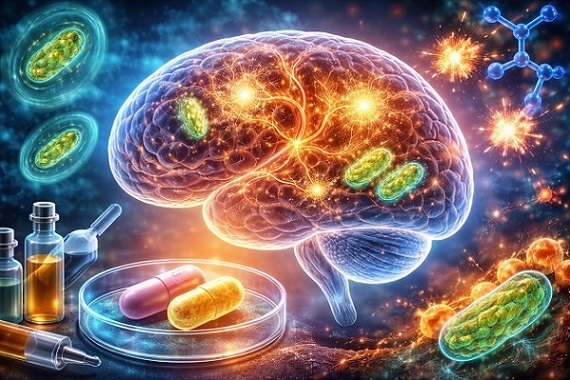 New compound pairing shows promise in reducing brain cell damage linked to Alzheimer’s-like conditions
Scientists from the Graduate School of Science and the School of Science at Tokyo Metropolitan University, along with researchers from SBI Pharmaceuticals Co., Ltd., Tokyo, conducted the study using a fruit fly model engineered to mimic human brain disease conditions.
Understanding the Root of Brain Cell Damage
Many neurodegenerative diseases are driven by a protein called tau. When this protein becomes abnormal, it forms toxic clumps inside brain cells, disrupting normal function. One of the biggest issues caused by this process is oxidative stress, a condition where harmful molecules damage cells from within.
Mitochondria, often described as the “power plants” of cells, play a central role here. They produce energy, but when disrupted, they also generate damaging molecules known as reactive oxygen species. The study found that tau significantly increases these harmful molecules, while also reducing energy levels in brain cells.
This
Medical News report highlights that these combined effects create a dangerous cycle: increased oxidative stress leads to more tau damage, which in turn worsens cellular dysfunction.
What the Study Found
Using specially engineered fruit flies, researchers observed that tau buildup led to several key problems. Energy production in brain cells dropped significantly, even in younger subjects. At the same time, oxidative stress levels increased sharply, damaging cell structures and signaling pathways.
Interestingly, the number of mitochondria did not decrease. Instead, their function became impaired. This suggests that the problem is not the loss of energy-producing units, but rather how efficiently they work.
When the flies were treated with the 5-ALA and SFC combination, a major shift occurred. The treatment reduced oxidative damage markers in brain tissue, indicating a protective effect. Even more importantly, it lowered abnormal tau phosphorylation, a process strongly linked to disease progression.
How the Treatment Works
The combination of 5-ALA and SFC appears to act by improving how mitochondria handle energy and stress. Rather than simply boosting energy production, the treatment helps reduce harmful byproducts generated during this process.
The study also showed that this combination did not restore energy levels directly. Instead, its main benefit came from reducing oxidative damage and interrupting the cycle of tau toxicity.
/>
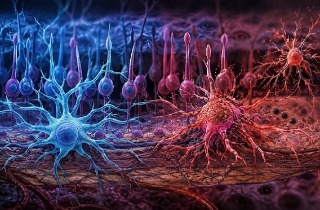
In addition, treated flies showed fewer signs of neurodegeneration. Brain tissue damage was visibly reduced, and structural integrity was better preserved compared to untreated subjects.
Why This Matters
These findings are significant because they point toward a new way of tackling neurodegenerative diseases. Instead of focusing only on removing toxic proteins, the approach targets the underlying cellular stress that drives disease progression.
By reducing oxidative damage, the treatment helps stabilize brain cells and limit further harm. This could potentially slow disease progression rather than simply treating symptoms.
Conclusion
The study provides compelling early evidence that combining 5-ALA with sodium ferrous citrate may help protect brain cells from tau-related damage. By lowering oxidative stress and reducing harmful protein changes, this approach targets a key driver of neurodegeneration. While the research is still in early stages and based on animal models, the results open the door to new therapeutic strategies that focus on cellular health and energy balance. Further studies in humans will be essential to confirm these benefits and determine real-world applications.
The study findings were published on a preprint server and are currently being peer reviewed.
https://www.preprints.org/manuscript/202603.0731
For the latest on treating neurodegenerative diseases, keep on logging to Thailand Medical News.
Read Also:
https://www.thailandmedical.news/articles/alzheimer,-dementia-




 Share
Share
 Tweet
Tweet
 Share
Share