Nikhil Prasad Fact checked by:Thailand Medical News Team Feb 11, 2026 6 months, 2 weeks, 5 days, 13 hours, 34 minutes ago
Medical News: Chronic Kidney Disease Is More Than Just Kidney Trouble
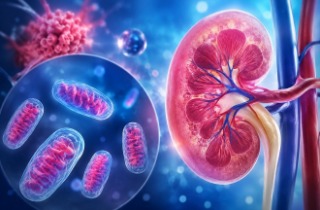
Chronic kidney disease, commonly known as CKD, affects millions of people worldwide and is now recognized as a serious long-term health challenge. Researchers stress that CKD is not just about failing kidneys but is a whole-body condition that disrupts many systems at once. People with CKD often face diabetes, high blood pressure, weak bones, muscle loss, heart disease, and a fragile immune system, all of which raise the risk of early death.
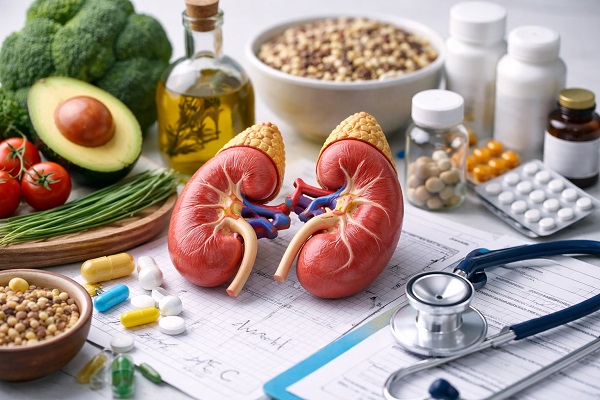 Researchers reveal how combining new medications with lifestyle changes could dramatically improve outcomes
for chronic kidney disease patients
Why Diabetes and High Blood Pressure Matter So Much
Two of the biggest drivers of CKD are diabetes and hypertension. High blood sugar damages tiny blood vessels in the kidneys, while high blood pressure puts extra strain on kidney filters. Together, they create a damaging cycle that speeds up kidney decline. This
Medical News report highlights how managing these conditions early can significantly slow disease progression and reduce complications.
Muscle Wasting and Bone Problems Add to the Burden
Another major issue in CKD is protein–energy wasting, a condition where patients lose muscle and strength due to poor nutrition, inflammation, and metabolic imbalance. This often leads to uremic sarcopenia, increasing the risk of falls, hospital stays, and death. At the same time, CKD disrupts calcium and phosphate balance, weakening bones and causing dangerous blood vessel calcification, which further raises heart disease risk.
Hidden Dangers in Blood Vessels and Immunity
CKD patients also suffer from endothelial dysfunction, meaning the inner lining of blood vessels stops working properly. This promotes inflammation, clot formation, and faster hardening of arteries. Compounding the problem is immune fragility. CKD weakens both innate and adaptive immunity, leaving patients more prone to infections, poor vaccine response, and even cancer, while constant low-grade inflammation accelerates aging and organ damage.
New Therapies and a Broader Treatment Approach
The research team placed strong emphasis on the growing shift toward combined treatment strategies that address not only kidney function but also the many complications linked to chronic kidney disease. On the drug side, several modern medications are showing promise beyond traditional blood pressure control. One highlighted study demonstrated that finerenone, a newer non-steroidal mineralocorticoid receptor antagonist, significantly reduced albuminuria, meaning less protein leaked into the urine, while also lowering both systolic and diastolic blood pressure in patients with non-diabetic CKD. This is important because excess protein in urine is a key marker of kidney damage and future disease progression.
In addition to finerenone, researchers emphasized the expanding role of sodium–glucose cotransporter-2 inhibitors, or SGLT2
inhibitors, such as dapagliflozin and empagliflozin. Originally developed for diabetes, these drugs have now been shown to slow kidney function decline, reduce inflammation inside kidney filters, and lower the risk of heart failure in both diabetic and non-diabetic CKD patients.
Angiotensin-converting enzyme inhibitors and angiotensin receptor blockers remain essential first-line therapies, as they reduce pressure within the kidney’s filtering units and help preserve remaining kidney function when started early.
Other studies examined patients receiving dialysis and found profound immune imbalance, chronic inflammation, and high levels of physical frailty, all of which were strongly linked to higher mortality. These findings suggest that treatment should also include immune monitoring, correction of vitamin D deficiency, anemia management with erythropoiesis-stimulating agents, and careful use of iron therapies. In kidney transplant patients, experts stressed the value of protocol biopsies, which can detect silent rejection or early tissue damage before routine blood tests show any warning signs, allowing doctors to adjust immunosuppressive drugs such as tacrolimus or mycophenolate in time.
Beyond medications, the review highlighted the importance of non-drug strategies. These include plant-dominant low-protein diets to reduce toxin buildup, regular consumption of extra virgin olive oil for its anti-inflammatory effects, correction of metabolic acidosis with bicarbonate therapy, and individualized physical activity programs designed to preserve muscle strength and reduce frailty. Together, these combined approaches aim to slow disease progression, reduce complications, and improve overall quality of life for CKD patients.
Where the Research Came from
The researchers are from the Department of Systems Medicine, University of Rome Tor Vergata, Italy, and the UOSD Nephrology and Dialysis Unit at Policlinico Tor Vergata, Rome, Italy.
Conclusion
Overall, the findings make it clear that CKD must be treated as a complex, multi-system disease rather than a single-organ problem. Combining modern medications with nutrition, physical activity, and personalized care offers the best chance to slow disease progression, reduce complications, and improve quality of life for patients living with chronic kidney disease.
The study findings were published in the peer reviewed journal: Biomedicines.
https://www.mdpi.com/2227-9059/14/2/401
For the latest on Kidney Diseases, keep on logging to Thailand
Medical News.
Read Also:
https://www.thailandmedical.news/articles/nephrology-(kidneys)




 Share
Share
 Tweet
Tweet
 Share
Share