Nikhil Prasad Fact checked by:Thailand Medical News Team Apr 06, 2026 4 months, 3 weeks, 5 days, 18 hours, 41 minutes ago
Medical News:
A New Understanding of Chronic Illness at the Cellular Level
A major scientific review is reshaping how chronic diseases are understood, revealing that conditions such as type 2 diabetes, cardiovascular disease, cancer, and neurodegenerative disorders may share a common foundation rooted deep within cellular biology. Rather than being isolated illnesses, these conditions appear to arise from disruptions in cellular signaling networks - particularly those governed by mitochondria and influenced by nutrition.
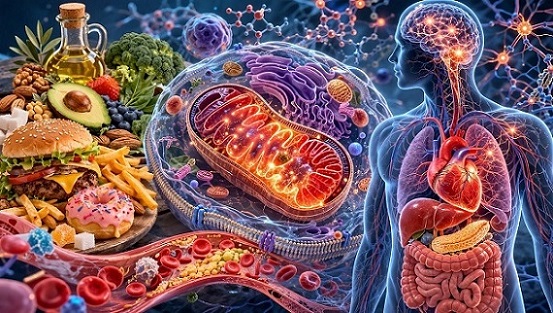 Disrupted cellular signaling links modern nutrition to chronic disease development
Mitochondria, long known as the “powerhouses” of the cell, are now recognized as far more than simple energy generators. They act as central hubs that integrate signals from nutrients, environmental stressors, and cellular demands to regulate growth, repair, inflammation, and survival. When these signaling systems become imbalanced, the consequences can extend across multiple organs and systems.
The study was conducted by researchers from the McKenzie Clinic, Sunshine Coast, Australia.
Mitochondria as Master Regulators of Cellular Health
The review highlights that mitochondria are essential not only for producing energy in the form of ATP but also for controlling how cells respond to internal and external stimuli. They generate reactive oxygen and nitrogen species, which act as signaling molecules when kept in balance.
Under normal conditions, cells maintain what is known as redox balance, where these reactive molecules support healthy signaling processes such as cell growth, immune responses, and adaptation to stress. However, when nutrient intake exceeds cellular needs or when environmental stressors are excessive, this balance shifts toward oxidative stress.
This state leads to damage of cellular components, including DNA, proteins, and lipids. It also activates inflammatory pathways and disrupts communication between cellular systems, laying the groundwork for chronic disease.
Importantly, the study emphasizes that mitochondrial function is dynamic. These organelles continuously adapt their structure and activity in response to changing conditions. Disease arises not simply from mitochondrial failure, but from persistent imbalance in the signals they regulate.
The Critical Role of Nutrient Sensing Systems
Cells rely on sophisticated nutrient-sensing mechanisms to determine how to respond to available energy. Two of the most important regulators are AMPK and mTOR.
AMPK is activated when energy levels are low. It promotes processes that generate energy and recycle cellular components, including autophagy. This pathway supports cellular repair and resilience.
In contrast, mTOR is activated when nutrients and energy are abundant. It drives growth, protein synthesis, and storage. While essential for normal function, chronic activation of mTOR - common in modern dietary patterns - suppresses autophagy and leads to accumulation of damaged cellular components.
The re
view explains that healthy cellular function requires a balance between these pathways. Periods of nutrient abundance should be followed by periods of scarcity, allowing cells to repair and reset. Continuous overnutrition disrupts this balance and contributes to long-term cellular dysfunction.
Insulin Signaling and the Development of Resistance
Insulin plays a central role in coordinating energy use and storage across the body. Beyond regulating blood glucose, it influences cell growth, survival, and metabolism.
The study provides a detailed look at how insulin signaling becomes impaired. Insulin resistance does not arise solely from elevated glucose levels but is driven by a complex interaction of factors, including inflammatory cytokines, oxidative stress, lipid metabolites, and endoplasmic reticulum stress.
These factors interfere with intracellular signaling pathways, particularly those involving insulin receptor substrates and downstream proteins such as AKT. As a result, cells become less responsive to insulin, leading to elevated circulating insulin levels and widespread metabolic disruption.
This
Medical News report highlights that this dysfunction is a shared feature of many chronic diseases, extending beyond diabetes to include cardiovascular conditions, neurodegenerative disorders, and certain cancers.
Fructose Metabolism and Its Systemic Effects
One of the most detailed sections of the review focuses on fructose, a sugar commonly found in processed foods and sweetened beverages. Unlike glucose, fructose is primarily metabolized in the liver and bypasses key regulatory steps in energy metabolism.
Excessive fructose intake leads to rapid depletion of cellular ATP and increased production of uric acid. This shift promotes oxidative stress and inflammation while impairing mitochondrial function.
The study outlines several consequences of high fructose exposure: increased fat production in the liver, contributing to non-alcoholic fatty liver disease; activation of inflammatory pathways through NF-κB signaling; impaired endothelial function affecting blood vessel health; and promotion of insulin resistance through disruption of cellular signaling.
Additionally, fructose can alter immune cell behavior, making them more prone to producing inflammatory cytokines, especially in the presence of gut-derived toxins.
Dietary Fats, Membrane Integrity, and Oxidative Stress
The role of dietary fats, particularly polyunsaturated fatty acids, is presented as complex and context-dependent. These fats are essential components of cell membranes and play important roles in signaling and inflammation.
However, excessive intake, especially in combination with high-calorie diets, can lead to lipid peroxidation. This process generates reactive compounds that interfere with insulin signaling and damage mitochondrial membranes.
The review highlights that modern diets often contain an imbalance between omega-6 and omega-3 fatty acids, favoring pro-inflammatory pathways. While omega-6 fats are not inherently harmful, excessive intake relative to omega-3s may contribute to chronic inflammation.
Examples of lipid-related cellular effects include disruption of mitochondrial electron transport due to membrane damage, formation of harmful byproducts such as 4-HNE, activation of inflammatory signaling pathways, and impairment of glucose uptake and insulin sensitivity.
The Integrated Stress Response and Cellular Adaptation
Cells are constantly exposed to various stressors, including nutrient fluctuations, oxidative stress, and environmental toxins. The Integrated Stress Response allows cells to adapt to these challenges.
However, chronic activation of this system leads to persistent inflammation and metabolic dysfunction. The study explains how stress in the endoplasmic reticulum can impair insulin receptor function, while misfolded proteins trigger inflammatory signaling.
Cytokines such as IL-6 and TNF-α further amplify these effects, creating a cycle of stress and dysfunction that contributes to disease progression.
Autophagy, Apoptosis, and the Balance of Life and Death
Autophagy is a critical process that allows cells to remove damaged components and recycle nutrients. It is essential for maintaining cellular health, particularly during periods of low energy availability.
When autophagy is suppressed, often due to chronic nutrient excess, damaged organelles accumulate, increasing the risk of disease.
Apoptosis, or programmed cell death, is another key process regulated by mitochondrial signaling. Proper balance is essential. Insufficient apoptosis can allow damaged or cancerous cells to survive, while excessive apoptosis can lead to tissue degeneration, as seen in neurodegenerative diseases.
Environmental Influences and Epigenetic Effects
Beyond diet, environmental factors such as exposure to chemicals and toxins play a significant role in disrupting cellular signaling. These substances can interact with hormone receptors and alter gene expression through epigenetic mechanisms.
One of the most concerning findings is that these changes may be transmitted across generations, suggesting that current environmental exposures could influence long-term population health.
Conclusions
The findings of this comprehensive review demonstrate that chronic diseases are deeply interconnected through shared disruptions in cellular signaling pathways, with mitochondria playing a central regulatory role. Modern dietary patterns characterized by excess caloric intake, high levels of refined sugars, and imbalanced fat consumption place sustained pressure on these systems, leading to oxidative stress, inflammation, impaired autophagy, and metabolic dysfunction across multiple organs.
Importantly, the study highlights that these processes arise from a complex interplay between nutrition, lifestyle, and environmental exposures rather than a single cause. Addressing chronic disease therefore requires a shift toward understanding and correcting these underlying cellular mechanisms. Improving diet quality, restoring energy balance, increasing physical activity, and reducing exposure to environmental toxins are essential strategies. Without such changes, the global burden of chronic disease will continue to rise, affecting both current and future generations.
The study findings were published in the peer reviewed International Journal of Molecular Sciences.
https://www.mdpi.com/1422-0067/27/7/3303
For the latest on how mitochondria health and nutrition affects various diseases, keep on logging to Thailand
Medical News.
Read Also:
https://www.thailandmedical.news/articles/diets-and-nutrition




 Share
Share
 Tweet
Tweet
 Share
Share

































