Nikhil Prasad Fact checked by:Thailand Medical News Team Mar 22, 2026 4 months, 4 weeks, 16 hours, 5 minutes ago
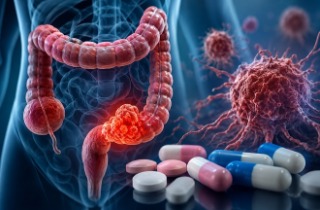
Medical News: A troubling shift is taking place worldwide, as more young adults under the age of 50 are being diagnosed with colorectal cancer. Once considered a disease of older individuals, this type of cancer is now increasingly affecting younger populations, raising serious concerns among medical experts. Researchers from the Department of Biologic Chemistry, Medical School, National and Kapodistrian University of Athens, Greece, and the 2nd Department of Surgery, Aretaieio University Hospital, National and Kapodistrian University of Athens, Greece, have examined the reasons behind this growing trend. Their findings point to a complex mix of lifestyle, environmental, and biological factors rather than a single clear cause.
 Rising colon cancer cases in young adults are linked to lifestyle and environmental factors
A Growing Global Health Concern
Rising colon cancer cases in young adults are linked to lifestyle and environmental factors
A Growing Global Health Concern
Colorectal cancer remains one of the most common cancers globally, but the steady rise in cases among younger adults is particularly alarming. Over recent decades, diagnoses in people under 50 have increased significantly, while rates in older adults have stabilized or even declined in some regions.
Unlike older individuals who are often diagnosed through routine screenings, younger patients are usually diagnosed only after symptoms appear. These symptoms are frequently mistaken for less serious conditions, leading to delays in diagnosis and more advanced disease by the time treatment begins.
Why Genetics Alone Cannot Explain It
While family history and inherited conditions do play a role, they account for only a small portion of early-onset cases. Most young patients do not have a strong genetic background linked to colorectal cancer.
This
Medical News report highlights that the sharp rise is more likely due to long-term exposure to multiple risk factors that begin early in life and gradually increase vulnerability.
The Role of Obesity and Metabolic Health
One of the strongest links identified is poor metabolic health. Obesity, especially when it begins in childhood or early adulthood, significantly increases the likelihood of developing colorectal cancer at a younger age.
Excess body fat creates a state of chronic inflammation in the body. It also affects hormone levels, including insulin and growth-related signals, which can encourage abnormal cell growth in the colon.
Diabetes is another important factor. High blood sugar and insulin resistance can damage cells and contribute to cancer development, particularly when these conditions are not well controlled.
Diet and Lifestyle Factors
Modern dietary habits are a major contributor to rising cancer risk. Diets high in processed foods, sugary drinks, and red or processed meats have been strongly linked to colorectal cancer. These foods can promote inflammation and disrupt the natural balance of the digestive system.
Low fiber intake also play
s a role, as fiber helps maintain a healthy gut and supports normal digestion. Lifestyle habits such as alcohol consumption, smoking, and lack of physical activity further increase the risk. Even prolonged sitting has been associated with higher chances of developing the disease, regardless of body weight.
The Importance of Gut Health
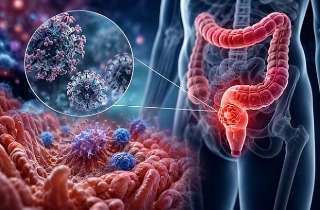
The gut microbiome, made up of trillions of bacteria in the digestive system, is now recognized as a key player in colorectal cancer.
In younger patients, researchers have found imbalances in these bacteria that can lead to inflammation, damage to the intestinal lining, and even direct harm to DNA. Certain harmful bacteria produce toxins that may trigger cancer development over time.
Frequent or early-life use of antibiotics may also contribute by disrupting the natural balance of healthy gut bacteria.
Environmental and Early-Life Influences
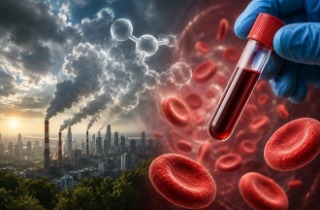
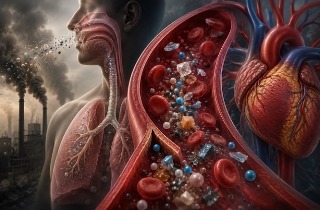
Environmental exposures are another piece of the puzzle. Factors such as air pollution, microplastics, pesticides, and certain infections may contribute to cancer risk over time. Importantly, some of these exposures can occur very early in life, even before birth. Conditions such as maternal obesity or early-life health issues may influence how the body develops, potentially increasing vulnerability to disease later on.
Accelerated Aging Inside the Body
A striking discovery is that many younger colorectal cancer patients show signs of accelerated biological aging. Their cells appear older than expected, suggesting that long-term exposure to harmful factors has sped up the aging process.
This accelerated aging may make the body more susceptible to cancer earlier in life.
Conclusion
The rise in colorectal cancer among younger adults is driven by a combination of factors rather than a single cause. Poor metabolic health, unhealthy diets, sedentary lifestyles, environmental exposures, and early-life influences all interact over time to increase risk.
These findings highlight the urgent need for greater awareness, earlier lifestyle interventions, and improved recognition of symptoms in younger individuals. Preventing this disease will require a long-term approach that begins early in life and focuses on maintaining overall health, reducing harmful exposures, and encouraging timely medical evaluation when symptoms appear.
The study findings were published in the peer reviewed journal: Current Obesity Reports.
https://link.springer.com/article/10.1007/s13679-026-00700-z
For the latest on colon cancer, keep on logging to Thailand
Medical News.
Read Also:
https://www.thailandmedical.news/articles/cancer