Nikhil Prasad Fact checked by:Thailand Medical News Team Jan 23, 2026 8 months, 1 week, 5 days, 6 hours, 31 minutes ago
Medical News: Parkinson’s disease is one of the most common brain disorders linked to aging, yet available treatments mostly focus on managing symptoms rather than stopping nerve cell damage. A new laboratory study has now revealed a promising strategy that could protect brain cells by targeting a group of proteins that control how genes behave inside cells.
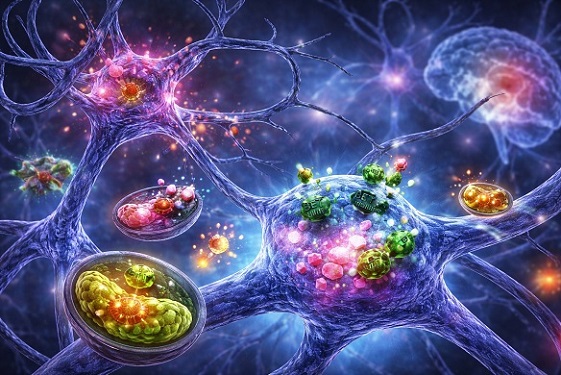 Blocking BET proteins helps brain cells survive Parkinson-like damage by restoring energy balance and
cellular cleanup systems
Understanding the Problem Behind Parkinson’s
Parkinson’s disease develops when nerve cells that produce dopamine slowly die, leading to tremors, stiffness, slow movement, and balance problems. Scientists know that several harmful processes occur together in the brain, including excessive oxidative stress, damaged mitochondria that fail to produce energy, toxic buildup of a protein called alpha-synuclein, and breakdown of the cell’s waste disposal system known as autophagy. These combined failures eventually overwhelm and kill brain cells.
What Are BET Proteins and Why They Matter
The new research focused on bromodomain and extra-terminal domain proteins, commonly called BET proteins. These proteins act like switches that turn certain genes on or off. Previous studies suggested they may influence inflammation, oxidative stress, and cell survival, but their role in Parkinson’s disease was unclear. This
Medical News report highlights how scientists explored whether blocking these proteins could protect brain cells under Parkinson-like conditions.
How the Study Was Conducted
Italian Researchers from the Department of Biosciences and Territory at the University of Molise, the Department of Science at University Roma Tre, the Department of Biosciences at the University of Milan, and the Department of Biology at the University of Naples Federico II used two laboratory-grown nerve cell models. To mimic Parkinson’s disease, they exposed these cells to rotenone, a toxin known to damage mitochondria and reproduce many Parkinson-like features. The cells were then treated with a BET protein inhibitor known as JQ1.
Key Findings Explained Simply
The results were striking. Cells exposed to rotenone showed severe damage, including shortened nerve extensions, increased cell death, and accumulation of alpha-synuclein. When JQ1 was added, many of these harmful effects were reduced. The treated cells survived better, maintained healthier shapes, and had far less toxic protein buildup.
The study also showed that JQ1 restored balance between harmful free radicals and protective antioxidant systems. Enzymes that normally defend cells against oxidative damage began working properly again. In addition, mitochondria regained healthier structures, suggesting improved energy production and stability.
Another major finding involved autophagy. Rotenone blocked the cell’s ability to clear damaged components, but B
ET inhibition restarted this cleanup process. By restoring autophagy, cells were better able to remove toxic materials and damaged organelles.
Why These Findings Are Important
Together, these discoveries suggest that BET protein inhibition tackles multiple causes of nerve cell death at once. Instead of targeting just dopamine loss, this approach protects cells by reducing oxidative stress, preserving mitochondrial health, and restoring natural waste removal systems.
Conclusion
The study provides strong early evidence that blocking BET proteins may offer a powerful new direction for Parkinson’s disease treatment. By acting on several destructive pathways simultaneously, BET inhibitors like JQ1 could one day help slow or prevent nerve cell degeneration rather than simply treating symptoms. While these results come from laboratory models and further animal and human studies are needed, the findings open an exciting avenue for future research and drug development.
The study findings were published in the peer reviewed journal: Biomedicines.
https://www.mdpi.com/2227-9059/14/1/244
For the latest on Parkinsons’ Disease, keep on logging to Thailand
Medical News.
Read Also:
https://www.thailandmedical.news/articles/alzheimer,-dementia-




 Share
Share
 Tweet
Tweet
 Share
Share

































