Nikhil Prasad Fact checked by:Thailand Medical News Team Jun 19, 2026 1 month, 2 weeks, 19 hours, 47 minutes ago
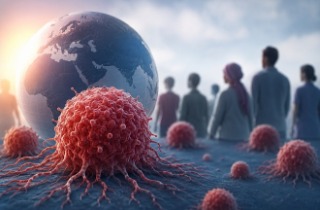
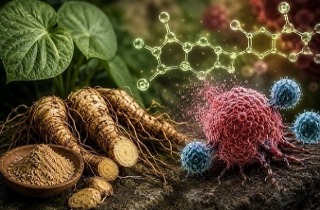
Medical News: Breast cancer remains the most commonly diagnosed cancer among women worldwide, and despite major advances in treatment, many patients still face challenges such as drug resistance, cancer recurrence, and disease spread. Researchers are now drawing attention to a phytochemical compound called honokiol, extracted from the bark of Magnolia trees, which is showing impressive anti-cancer effects in laboratory and animal studies.
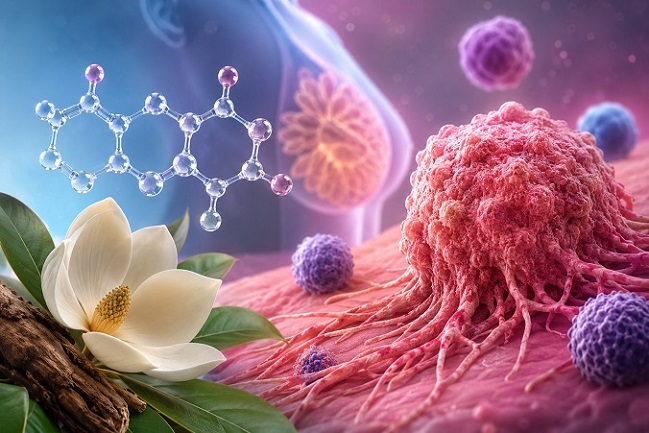 Natural Magnolia-derived honokiol is showing strong potential to enhance breast cancer treatment and overcome drug resistance
A new scientific review by researchers from the Morehouse School of Medicine, the Cancer Health Equity Institute at Morehouse School of Medicine, Georgia State University, the University of Alabama at Birmingham, and South Forsyth High School has highlighted how honokiol could potentially become an important addition to future breast cancer treatment strategies.
A Natural Compound with Multiple Anti-Cancer Actions
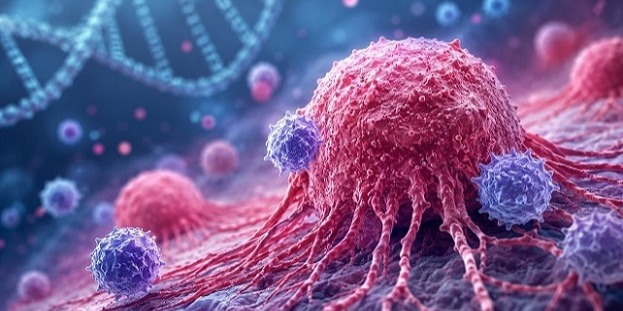
Unlike many drugs that target a single pathway, honokiol appears to attack breast cancer through several mechanisms at the same time. Researchers found that it can slow cancer cell growth, trigger cancer cell death, reduce inflammation, interfere with tumor metabolism, and suppress the spread of cancer cells.
Studies showed that honokiol can force breast cancer cells into a state where they stop dividing. At the same time, it activates biological processes that lead to the destruction of malignant cells. The compound also disrupts signals that tumors use to survive and grow.
Importantly, these effects were observed across several breast cancer types, including hormone receptor-positive cancers, HER2-positive cancers, and the particularly aggressive triple-negative breast cancer subtype.
Helping Existing Treatments Work Better
One of the most exciting findings is that honokiol may enhance the effectiveness of existing breast cancer therapies.
Laboratory studies found that when combined with chemotherapy drugs such as paclitaxel and doxorubicin, honokiol increased cancer cell death and helped overcome drug resistance. Researchers observed that the compound could improve the ability of chemotherapy drugs to remain inside cancer cells, making treatments more effective.
Honokiol also demonstrated potential benefits when used alongside endocrine therapies such as tamoxifen. In resistant breast cancer cells, it appeared to restore sensitivity to hormone-based treatments, potentially helping patients whose cancers no longer respond to standard therapy.
In HER2-positive cancers, honokiol interfered with key growth-promoting pathways, increasing the vulnerability of tumor cells to targeted treatments.
Potential Role in Immunotherapy
Researchers also discovered that honokiol may improve anti-cancer immune responses.
The compound appears to reduce mechanisms that allow tumors to hide from the immune system. It can influence immune cells within the tumor environment and may help strengthen the body's natural defenses against
cancer.
Animal studies showed that honokiol reduced tumor growth, lowered inflammatory signals, and decreased the likelihood of cancer spreading to distant organs. These findings suggest that it could eventually complement modern immunotherapy approaches.
This
Medical News report notes that another major advantage of honokiol is its ability to target cancer stem-like cells, which are believed to play a crucial role in treatment resistance and tumor recurrence.
Nanotechnology Could Unlock Its Full Potential
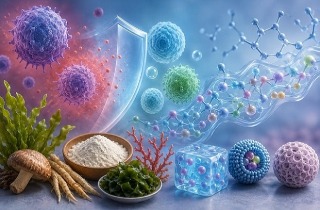
One challenge facing researchers is that honokiol does not dissolve well in water and has limited bioavailability when taken orally. To overcome this problem, scientists have developed advanced nanoparticle and hydrogel delivery systems.
These innovative technologies significantly improved honokiol delivery to tumors in experimental studies. Some formulations produced remarkable reductions in tumor growth while also minimizing unwanted side effects.
Researchers believe these delivery systems could help move honokiol closer to clinical use in the future.
Clinical Evidence Still Limited
Despite encouraging laboratory and animal findings, human studies remain scarce. So far, no dedicated clinical trials have evaluated honokiol specifically in breast cancer patients.
Early human investigations in other cancers suggest that the compound can be administered safely and may provide potential benefits, but much larger clinical trials are needed before its effectiveness can be confirmed.
Conclusion
The evidence gathered so far paints an encouraging picture for honokiol as a future breast cancer therapy. Its ability to attack multiple cancer-driving pathways, improve responses to chemotherapy, endocrine therapy, targeted treatments, and immunotherapy, while also reducing drug resistance, makes it a particularly attractive candidate. However, most of the current evidence comes from laboratory and animal research. Before honokiol can become part of routine breast cancer care, carefully designed human clinical trials must establish its safety, optimal dosing, and real-world effectiveness. If future studies confirm these early findings, this Magnolia-derived compound could become a valuable weapon in the fight against breast cancer.
The study findings were published in the peer reviewed journal: Cancers.
https://www.mdpi.com/2072-6694/18/12/1989
For the latest on breast cancer, keep on logging to Thailand
Medical News.
Read Also:
https://www.thailandmedical.news/articles/cancer
https://www.thailandmedical.news/articles/herbs-and-phytochemicals
Medical Disclaimer: All content published by Thailand Medical News is based on scientific research and is intended for informational and educational purposes only. It is not medical advice, diagnosis, or treatment. Readers must not attempt to use, apply, or experiment with any protocols, compounds, or therapies mentioned without first consulting a qualified and licensed medical doctor. Many findings discussed are experimental or preliminary, and only a licensed healthcare professional can determine what is safe and appropriate for an individual’s specific medical condition.




 Share
Share
 Tweet
Tweet
 Share
Share