Nikhil Prasad Fact checked by:Thailand Medical News Team Jul 01, 2026 2 months, 1 day, 15 hours, 47 minutes ago
Medical News: A growing body of research is revealing a surprising player in the fight against blood cancers: the trillions of tiny microbes living inside the human body. Scientists are now uncovering how these microorganisms—especially those in the gut—may influence the development, progression, and treatment of diseases like leukemia, lymphoma, and multiple myeloma.
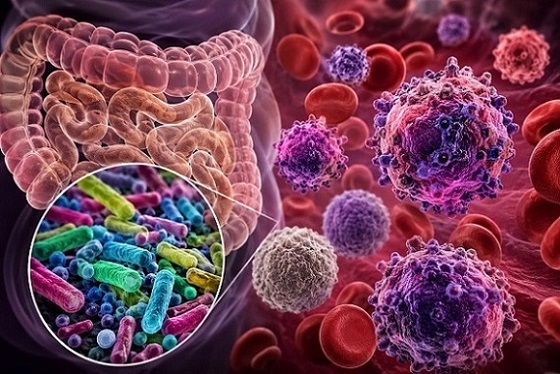 Scientists discover how gut bacteria may influence blood cancers and treatment outcomes
Researchers Explore a Hidden Biological Network
A recent scientific review by researchers from multiple institutions sheds light on this complex relationship. The team includes experts from the Pasteur Institute of Iran, Tarbiat Modares University, Islamic Azad University, Kharazmi University, and the Microbiology Research Center in Tehran.
Their work highlights how the gut microbiota—collections of bacteria, viruses, and fungi—plays a critical role in regulating immunity, metabolism, and inflammation. These functions are essential for maintaining health, but when disrupted, they may contribute to serious diseases, including blood cancers.
What Happens When the Microbiome Falls Out of Balance
The gut microbiome normally helps maintain a healthy immune system by producing beneficial compounds such as short-chain fatty acids. These substances reduce inflammation and support protective immune responses. However, when the microbial balance is disturbed—a condition known as dysbiosis—the consequences can be serious.
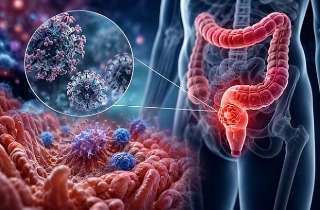
Dysbiosis can weaken the gut barrier, allowing harmful substances to enter the bloodstream. This can trigger chronic inflammation and disrupt immune function. Scientists believe this process may play a role in the development and progression of hematological malignancies, including leukemia and lymphoma.
Strong Links to Leukemia and Treatment Outcomes
Studies reviewed by the researchers show that patients with leukemia often have reduced diversity in their gut bacteria. This is especially evident in acute myeloid leukemia (AML) and acute lymphoblastic leukemia (ALL). In these patients, beneficial bacteria that produce anti-inflammatory compounds are often depleted, while harmful bacteria may increase.
This imbalance has been linked to higher risks of infections, poorer tolerance to chemotherapy, and worse overall outcomes. In some cases, specific bacterial patterns were found to predict complications during treatment.
Interestingly, certain gut bacteria may also influence how well cancer therapies work. For example, some microbes can interfere with drug effectiveness, while others may enhance immune responses against cancer cells.
Impact on Lymphoma and Multiple Myeloma
The research also highlights changes in gut bacteria in patients with lymphoma and multiple myeloma. In lymphoma, shifts in microbial populations may contribute to inflammation and cancer growth. In multiple myeloma, certain bacteria have been shown to promote immune cells that support tumor development.
I
n addition, the microbiome appears to influence the tumor environment in the bone marrow, potentially affecting how the disease progresses and responds to treatment.
Study Also Highlights Emerging Treatments
In the middle of these discoveries, this
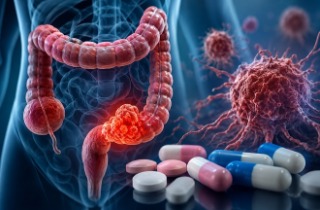
Medical News report emphasizes the exciting potential for new therapies targeting the microbiome. Scientists are exploring approaches such as probiotics, dietary interventions, and fecal microbiota transplantation (FMT) to restore healthy microbial balance.
Early findings suggest these strategies could improve treatment outcomes, reduce complications, and even help predict disease relapse. However, researchers caution that more clinical trials are needed to confirm these benefits and ensure safety.
A Promising but Complex Future
Although the connection between the microbiome and blood cancers is becoming clearer, many questions remain. Most current evidence shows strong associations, but not all links have been proven to be direct causes.
Still, the findings open new possibilities for personalized medicine. By understanding each patient’s unique microbiome, doctors may one day tailor treatments to improve effectiveness and reduce side effects.
Conclusion
The growing evidence linking gut microbiota to blood cancers represents a major shift in how these diseases are understood. Rather than viewing cancer solely as a genetic or cellular problem, scientists are now recognizing the broader role of the body’s microbial ecosystem. While more research is needed to confirm causation and develop safe therapies, the potential for microbiome-based diagnostics and treatments is enormous. This emerging field could transform cancer care by offering more targeted, effective, and personalized approaches that improve survival and quality of life.
The study findings were published in the peer reviewed journal: New Microbes and New Infections.
https://www.sciencedirect.com/science/article/pii/S2052297526001095
For the latest on blood cancers and gut microbiome, keep on logging to Thailand
Medical News.
Read Also:
https://www.thailandmedical.news/articles/cancer




 Share
Share
 Tweet
Tweet
 Share
Share