BREAKING NEWS
For the latest on Thailand Medical Industry, Thailand Doctors, Thailand Medical Research, Thailand Hospitals, Thailand Wellness Initiatives and the latest Medical News
 Share
Share
 Tweet
Tweet
 Share
Share
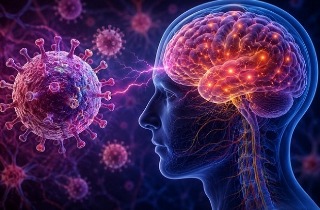
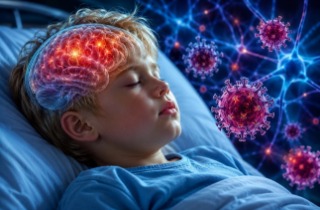
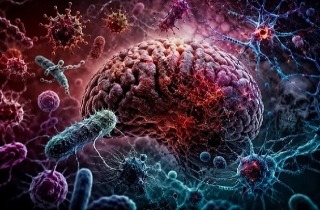
Medical News: Since the COVID-19 pandemic began, millions of survivors have reported lingering problems such as forgetfulness, poor concentration, slower thinking, and a persistent sense of mental haze often called “brain fog.” Scientists are now beginning to understand why these troubling symptoms occur. New research suggests that immune cells inside the brain, known as microglia, may become overactive after infection and interfere with the brain’s ability to form and recall memories.
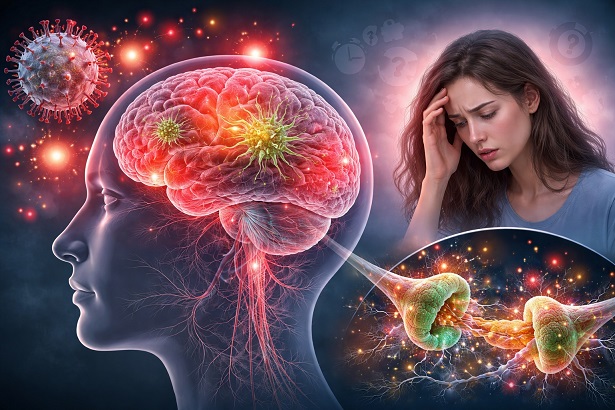
Scientists uncover how overactive brain immune cells after COVID-19 may damage memory circuits and trigger l
ong-term brain fog
The research was conducted by scientists from several institutions including Jashore University of Science and Technology in Bangladesh, the Laboratory of Advanced Computational Biology Biological Research on the Brain in Bangladesh, the University of Dhaka in Bangladesh, Duquesne University in the United States, Jagannath University in Bangladesh, Gono Bishwabidyalay in Bangladesh, Gopalganj Science and Technology University in Bangladesh, and Chicago State University in the United States.
In this Medical News report, we examine how the findings reveal an important biological explanation for long-lasting cognitive symptoms in many COVID-19 survivors.
Growing Evidence of Post COVID Memory Problems
Although COVID-19 was initially viewed as a respiratory illness, scientists now recognize that it can affect many organs, including the brain. Over the past few years, researchers have observed that a significant number of people recovering from the virus continue to struggle with cognitive issues.
Studies indicate that 20 to 60 percent of survivors report problems such as memory loss, reduced attention span, slower information processing, and difficulty concentrating months after infection. Some patients also experience fatigue, sleep disturbances, depression, and anxiety that further worsen mental clarity.
Brain imaging studies have also detected abnormalities in certain regions of the brain after infection, particularly areas linked to memory and learning. These findings suggest that COVID-19 may disrupt the brain’s normal functioning even after the initial illness has passed.
How Brain Immune Cells Affect Memory
At the center of the new research are microglia, specialized immune cells that live permanently inside the brain. Under normal conditions, microglia play an essential role in protecting brain tissue. They remove damaged cells, fight infections, and help maintain healthy connections between neurons.
Microglia also regulate synaptic pruning, a natural process where unnecessary or weak connections between brain cells are removed so that stronger networks can form. This process is vital for learning and memory.
However, when microglia become excessively activated by inflammation, their behavior changes. Instead of maintaining balance, they may begin releasing inflammatory chemicals and reactive molecules that damag
e healthy neurons and disrupt communication between brain cells.
COVID-19 Inflammation May Trigger Brain Damage
Researchers believe that COVID-19 can trigger a powerful inflammatory response throughout the body. This inflammation can weaken the blood brain barrier, the protective structure that normally prevents harmful molecules from entering the brain.
Once this barrier is compromised, inflammatory molecules and immune signals circulating in the bloodstream can reach brain tissue. These signals activate microglia and push them into an aggressive inflammatory state.
When this happens, microglia may begin removing healthy synapses and interfering with neural circuits that control memory and thinking. Over time, this process can weaken brain networks responsible for learning and recalling information.
Scientists believe this mechanism may explain the persistent “brain fog” experienced by many COVID-19 survivors.
Biomarkers and Brain Imaging Provide Clues
Additional evidence supporting this theory comes from blood tests and brain imaging studies. Researchers have found elevated levels of biomarkers linked to brain injury, including glial fibrillary acidic protein and neurofilament light chain, in some COVID-19 patients with neurological symptoms.
Advanced imaging techniques such as MRI and PET scans have also revealed reduced activity and structural changes in brain regions involved in cognition. These observations reinforce the idea that inflammation and immune activation are playing a key role in the neurological consequences of COVID-19.
Conclusion
The findings highlight how COVID-19 may trigger long-lasting neurological effects through immune mechanisms inside the brain rather than direct viral damage. Overactivation of microglia appears to disrupt synaptic connections and brain networks involved in memory and cognitive processing. While more research is needed to fully confirm these pathways, understanding how inflammation and immune cells affect the brain could help scientists develop targeted therapies to reduce neuroinflammation and protect cognitive function in COVID survivors.
Continued investigation into these mechanisms may ultimately lead to treatments that prevent or reverse the troubling brain fog affecting millions of people worldwide.
The study findings were published in the peer reviewed journal: Neuroglia.
https://www.mdpi.com/2571-6980/7/1/10
For the latest COVID-19 News, keep on logging to Thailand Medical News.
Read Also:
https://www.thailandmedical.news/articles/coronavirus
https://www.thailandmedical.news/articles/long-covid