Nikhil Prasad Fact checked by:Thailand Medical News Team Jan 03, 2026 9 months, 19 hours, 58 minutes ago
Medical News: A growing number of people take collagen supplements hoping for smoother, younger-looking skin. These powders and pills are widely advertised as a simple way to fight wrinkles and dryness. However, a major new scientific review suggests the promise may not match the reality.
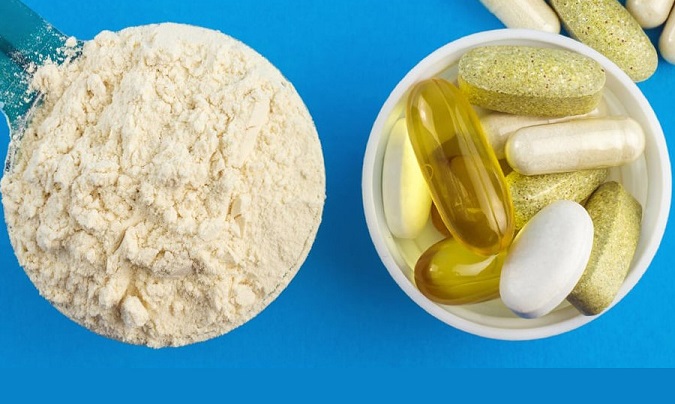 A large international review finds collagen supplements offer no proven benefit for aging skin when high-quality studies are examined.
This detailed
Medical News report examines a large international study led by researchers from the National Cancer Center Graduate School of Cancer Science and Policy in Goyang, Gyeonggi-do, Republic of Korea, and Monash University, Australia, which carefully analyzed the real effects of collagen supplements on aging skin.
Why Collagen Became So Popular
Collagen is a protein naturally found in the skin, bones, and connective tissues. As people age, the body produces less collagen each year, leading to thinner skin, fine lines, and wrinkles. Because collagen plays such a key role in skin structure, supplement makers claim that consuming it can restore lost firmness, hydration, and elasticity.
This idea has fueled a booming market. Sales of collagen supplements have surged globally, especially among adults concerned about visible signs of aging.
How the Study Was Conducted
The researchers reviewed 23 randomized controlled trials involving 1,474 participants. These studies compared collagen supplements with placebos and measured changes in skin hydration, elasticity, and wrinkles. Importantly, the scientists did something earlier reviews did not: they analyzed results based on study quality and whether the research was funded by pharmaceutical companies.
The data were collected from trusted medical databases including PubMed, Embase, and the Cochrane Library, covering studies published up to June 14, 2024.
What the Results Really Showed
At first glance, combining all 23 studies suggested collagen supplements improved skin hydration, elasticity, and wrinkles. But the picture changed when the researchers looked deeper.
High-quality studies and those not funded by pharmaceutical companies showed no meaningful benefit at all. Only studies with industry funding reported noticeable improvements. When the researchers removed “outlier” studies that showed unusually strong positive results, the overall benefits disappeared.
This pattern raised concerns that funding sources and weaker study design may have influenced earlier positive claims.
Safety and Absorption Concerns
Experts also point out that collagen taken by mouth is broken down during digestion into amino acids. These do not automatically rebuild skin collagen. Some marine-based collagen supplements may also carry risks such as heavy metal contamination, and many products lack independent safety testing or clear labeling.
Hea
lthier Ways to Support Skin
Instead of supplements, experts recommend proven approaches. Eating enough protein, consuming vitamin C–rich fruits and vegetables, using sunscreen, applying topical retinoids, and avoiding smoking all help protect the body’s natural collagen.
Final Conclusion
After closely examining funding sources, study quality, and data consistency, the researchers concluded there is currently no strong clinical evidence that collagen supplements prevent or improve skin aging. While future large-scale studies may provide more clarity, consumers should be cautious about marketing claims and focus on lifestyle habits that genuinely support skin health.
The study findings were published in the peer reviewed journal: The American Journal of Medicine.
https://www.sciencedirect.com/science/article/abs/pii/S0002934325002839
For the latest on scams by the supplements industry, keep on logging to Thailand
Medical News.
Read Also:
https://www.thailandmedical.news/articles/supplements
https://www.thailandmedical.news/articles/anti-aging




 Share
Share
 Tweet
Tweet
 Share
Share

































