Nikhil Prasad Fact checked by:Thailand Medical News Team Oct 12, 2026 1 hour, 8 minutes ago
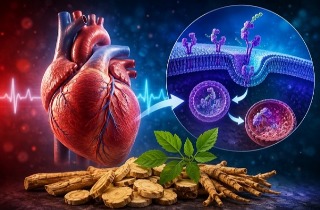
A natural plant-derived compound called bergapten could offer a promising new approach to treating periodontitis, a chronic gum disease that damages tissues supporting teeth and can eventually cause tooth loss.
 New research suggests that bergapten could help combat gum disease by reducing harmful inflammation,
clearing damaged mitochondria, and protecting the bone supporting teeth
Researchers from Xi’an Jiaotong University, its First Affiliated Hospital, and Xizang Minzu University in China discovered that bergapten reduces gum inflammation and protects jawbone by interrupting a cellular process responsible for excessive inflammatory responses.
Natural Compound Targets Harmful Inflammation
Periodontitis develops when persistent inflammation damages gum tissue and the alveolar bone surrounding teeth.
The researchers examined periodontal tissue from 15 patients with periodontitis and 15 healthy individuals. Diseased tissues showed increased activity of NLRP3, a protein complex that activates inflammatory responses.
According to this
Thailand Dental News report, bergapten significantly suppressed NLRP3 activation in laboratory experiments, reducing inflammatory signaling and potentially protecting periodontal tissues.
How Bergapten Interrupts Inflammation
Experiments involving mouse macrophages revealed that bergapten reduced caspase-1 activation, interleukin-1β secretion, and pyroptosis, an inflammatory form of programmed cell death.
Importantly, bergapten disrupted interactions between NLRP3 and another protein called NEK7, preventing the recruitment of additional proteins needed to sustain inflammation.
The compound also reduced mitochondrial reactive oxygen species, harmful molecules that contribute to cellular damage and inflammatory activation.
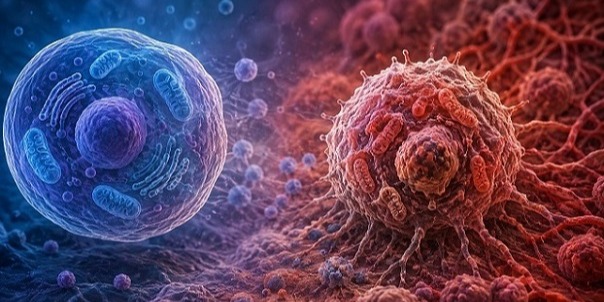
Further investigations showed that bergapten promoted mitophagy, a natural cellular recycling process that eliminates damaged mitochondria.
This protective mechanism involved suppressing the AKT-mTOR signaling pathway. When researchers experimentally reactivated mTOR, bergapten's beneficial effects were reversed, strengthening evidence that this pathway plays a central role.
Bergapten additionally reduced the release of oxidized mitochondrial DNA into surrounding cellular compartments, limiting another process associated with inflammation.
Animal Experiments Reveal Bone Protection
Researchers induced periodontitis in mice and administered bergapten orally at daily doses of 40 or 80 milligrams per kilogram.
After ten days, micro-CT imaging demonstrated reduced alveolar bone loss in treated animals.
Gum tissue examinations also revealed lower levels of oxidative damage markers, activated caspase-1, and interleukin-1β, confirming reduced inflammatory activity.
Conclusions
These findings identify bergapten as a potential therapeutic candidate for controlling periodontal inflammation and preventing bone destruction. However, its effectiveness and safety in humans remain unproven, making further clinical investigations essential before therapeutic applications can be considered.
The study findings were published in the peer-reviewed journal: Antioxidants.
https://www.mdpi.com/2076-3921/15/10/1304
Read Also:
https://www.thailandmedical.news/articles/dental-news
https://www.thailandmedical.news/articles/herbs-and-phytochemicals
Medical Disclaimer: All content published by Thailand Medical News is based on scientific research and is intended for informational and educational purposes only. It is not medical advice, diagnosis, or treatment. Readers must not attempt to use, apply, or experiment with any protocols, compounds, or therapies mentioned without first consulting a qualified and licensed medical doctor. Many findings discussed are experimental or preliminary, and only a licensed healthcare professional can determine what is safe and appropriate for an individual’s specific medical condition. 



 Share
Share
 Tweet
Tweet
 Share
Share