Nikhil Prasad Fact checked by:Thailand Medical News Team Oct 25, 2025 10 months, 1 week, 1 day, 19 hours, 13 minutes ago
Medical News: How the virus reprograms human cells
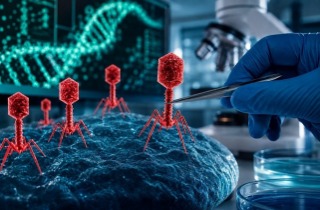
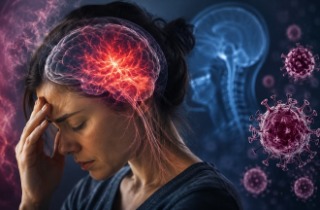
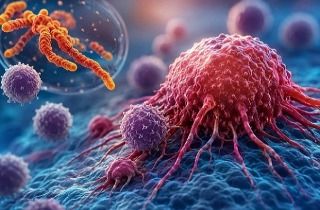
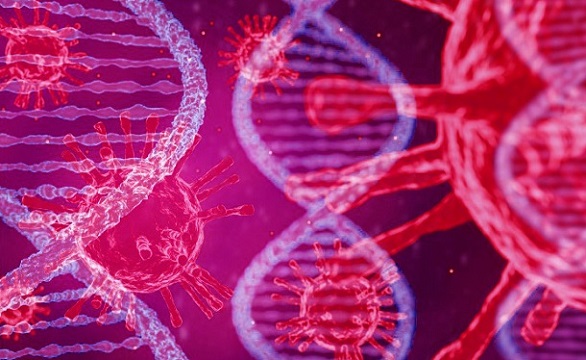
A groundbreaking new study by researchers from the Laboratory of Functional Genomics at the Vavilov Institute of General Genetics, Russian Academy of Sciences, Moscow, reveals how the SARS-CoV-2 virus doesn’t just infect the body—it actually reprograms it. According to the scientists, the virus can hijack the human epigenome, altering the genetic “switches” that control how our cells function. These microscopic changes help the virus suppress the immune system, replicate more effectively, and may explain the lingering symptoms seen in millions suffering from long COVID. This Medical News report reveals that SARS-CoV-2 proteins like ORF8 act as molecular “mimics” of histones—the proteins that package DNA—thereby silencing antiviral defenses and encouraging inflammation.
 COVID-19 Rewrites Human Genes Causing Lasting Damage to Immunity and Aging
How COVID-19 triggers long-term immune changes
COVID-19 Rewrites Human Genes Causing Lasting Damage to Immunity and Aging
How COVID-19 triggers long-term immune changes
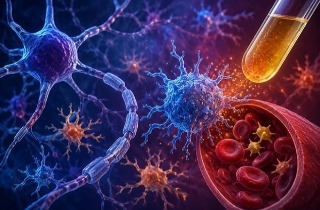
The study describes how SARS-CoV-2 disrupts the body’s immune programming by reprogramming blood stem cells—called hematopoietic stem and progenitor cells (HSPCs)—that later give rise to white blood cells. This reprogramming creates a phenomenon known as trained immunity, where the immune system remains stuck in an overactive, inflammatory mode even after the infection ends. This could explain chronic fatigue, brain fog, and inflammation that persist in long COVID sufferers. In severe infections, excessive levels of IL-6 and other inflammatory molecules alter the chromatin structure of immune cells, creating long-term changes in how genes respond to infections.
Epigenetic aging and gene disruption
The research also discovered that COVID-19 accelerates biological aging by damaging DNA methylation patterns—chemical markers that determine how genes are expressed. These epigenetic scars speed up cellular aging, shorten telomeres, and may contribute to the early onset of diseases linked to old age. Patients who suffered severe COVID-19 displayed epigenetic signatures that made them biologically several years older than their actual age. However, some of these age-related changes could be partially reversible over time.
The virus’s sophisticated attack on human genes
One of the study’s most striking findings is how the virus uses multiple strategies to manipulate gene regulation. The viral ORF8 protein mimics the structure of a key human histone protein, allowing it to attach to DNA and block the activation of antiviral genes. Other viral proteins increase DNA methylation of immune-related genes, silencing them completely. This effectively blinds the immune system, helping the virus evade detection and persist in tissues. In addition, the virus interferes with the major histocompatibility complex (MHC) system, reducing the body’s ability to present viral fragments to immune cells, further weakening defenses.
Potential biomarkers and new treatments
Scientists identified key biomarkers that may predict disease severity, including abnormal methylation in genes s
uch as AIM2, HLA-C, PARP9, and OAS1. These could be used to develop new diagnostic tools or targeted therapies aimed at reversing harmful epigenetic changes. The researchers also noted that using anti-IL-6 drugs during acute infection could reduce the likelihood of developing long-term immune “scars.”
What this means for the future
The study paints a worrying but enlightening picture of how deeply SARS-CoV-2 can rewire human biology. Beyond respiratory illness, COVID-19 leaves behind a legacy of molecular disruption that may contribute to long-term inflammation, premature aging, and multi-organ complications. Understanding these epigenetic changes could help scientists design therapies that reverse or block these effects, transforming COVID-19 from a chronic molecular threat into a manageable condition.
The study findings were published in the peer reviewed International Journal of Molecular Sciences (IJMS).
https://www.mdpi.com/1422-0067/26/21/10372
For the latest COVID-19 News, keep on logging to Thailand
Medical News.
Read Also:
https://www.thailandmedical.news/articles/coronavirus




 Share
Share
 Tweet
Tweet
 Share
Share