Phytochemicals from Sweet Broom Plant Shows Powerful Action Against Herpes Virus
Nikhil Prasad Fact checked by:Thailand Medical News Team Jan 19, 2026 6 months, 3 days, 21 hours, 59 minutes ago
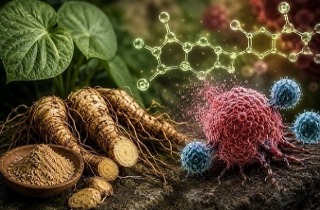
Medical News: A team of Brazilian scientists has uncovered compelling evidence that an extract from the medicinal plant Scoparia dulcis, commonly known as sweet broom, can strongly block herpes simplex virus type 1, the virus responsible for oral herpes and cold sores. The findings add new scientific weight to traditional herbal use and open doors to future plant based antiviral treatments.
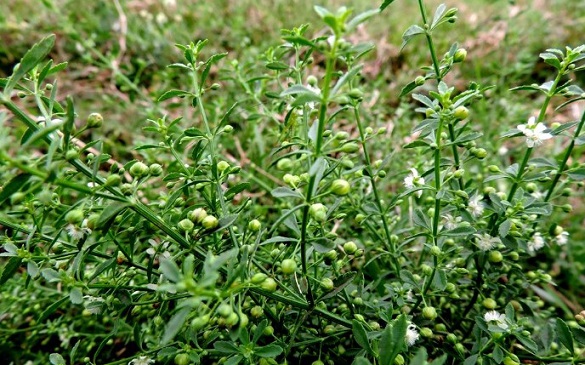 A natural medicinal plant extract from the Scoparia dulcis plant shows strong ability to neutralize the herpes
virus in laboratory studies
Scientists And Institutions Behind the Research
The research was carried out by scientists from the Department of Pharmacy and the Department of Biochemistry at the Federal University of Rio Grande do Norte, Brazil, together with researchers from the Faculty of Pharmaceutical Sciences of Ribeirão Preto at the University of São Paulo, Brazil.
Why Herpes Virus Remains a Global Concern
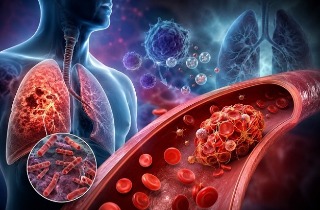
Herpes simplex virus type 1 infects billions of people worldwide and once acquired, it stays in the body for life. While current antiviral drugs such as acyclovir can reduce symptoms, they do not eliminate the virus or prevent future flare ups. Drug resistance is also an increasing concern, making the search for alternative therapies more urgent.
What Makes Sweet Broom Special
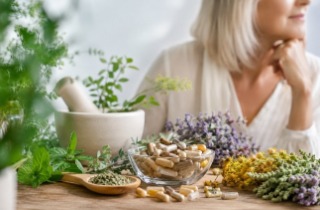
Sweet broom is a plant long used in traditional medicine across tropical regions. In this study, researchers focused on a hydroethanolic extract made from the aerial parts of the plant. Advanced laboratory analysis revealed at least fifteen phytochemical compounds, mainly flavonoids and phenolic acids, substances already known for their antiviral and anti-inflammatory properties.
Safety First Low Toxicity Confirmed
Before testing antiviral effects, scientists examined whether the extract was harmful to healthy cells. Laboratory tests showed that more than 80 percent of cells remained healthy at doses up to 250 micrograms per milliliter, confirming that the extract has low toxicity and is generally safe at effective concentrations.
Strong Direct Action Against the Virus
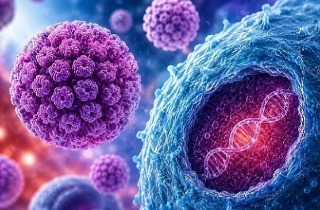
The most striking finding was the extract’s ability to completely block herpes virus infectivity when it came into direct contact with the virus. At several tested doses, the virus was fully neutralized, even outperforming acyclovir under certain conditions. This
Medical News report highlights that the extract appears to act by damaging the virus itself, preventing it from attaching to or entering human cells.
How The Plant Compounds May Work
Researchers believe the antiviral power comes from the combined action of multiple flavonoids rather than a single compound. These natural phytochemical molecules may work together to disrupt the viral envelope and early stages of infection. While the extract was less effective once the virus had already entered cells, it
still reduced viral replication by nearly half at higher doses.
What This Means for The Future
The study strongly supports the idea that sweet broom could serve as a valuable source of natural antiviral agents. However, the researchers stress that further animal and human studies are needed to confirm effectiveness and safety in real world conditions.
Conclusion
In conclusion, the flavonoid rich extract of Scoparia dulcis demonstrated powerful antiviral activity against herpes simplex virus type 1 while maintaining low toxicity to healthy cells. By directly inactivating the virus and limiting early infection, this plant-based extract shows promise as a future complementary or alternative antiviral option, especially as resistance to existing drugs continues to grow.
The study findings were published in the peer reviewed journal: Chemistry & Biodiversity.
https://onlinelibrary.wiley.com/doi/10.1002/cbdv.202502903
For the latest on herbs and phytochemicals, keep on logging to Thailand
Medical News.
Read Also:
https://www.thailandmedical.news/articles/herbs-and-phytochemicals




 Share
Share
 Tweet
Tweet
 Share
Share