Malaysian Researchers Discover Little Known Vitamin E Compounds That Halt Colon Tumor Growth
Nikhil Prasad Fact checked by:Thailand Medical News Team Jan 20, 2026 8 months, 2 weeks, 21 hours, 48 minutes ago
Medical News: Colorectal cancer remains one of the most widespread and deadly cancers worldwide, often developing slowly and quietly over many years before symptoms emerge. A meticulous scoping review from researchers at the Department of Biochemistry and the Ageing and Degenerative Diseases Research Group at Universiti Kebangsaan Malaysia has now drawn attention to certain little-known forms of vitamin E and how they influence cancer formation in animal models. The analysis examined how individual vitamin E compounds—rather than generic supplements—affect tumor growth in rodents deliberately induced with colon cancer.
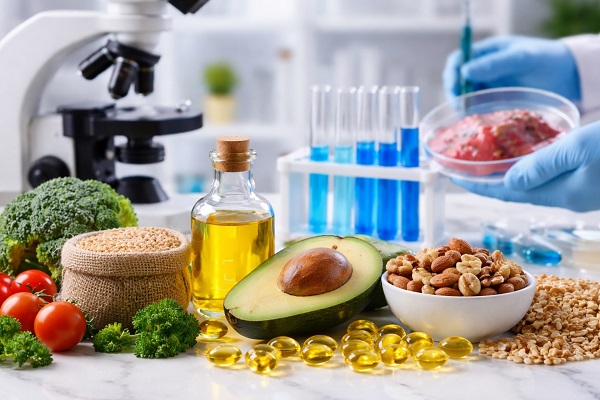 Rare vitamin E forms sharply cut colon tumor growth in lab animals
How The Review Was Done
Rare vitamin E forms sharply cut colon tumor growth in lab animals
How The Review Was Done
The scientists searched four major databases to locate every relevant experiment published before May 2024. They filtered thousands of studies down to a final set of seven that met strict criteria. To qualify, each experiment had to involve cancer-bearing rodents, vitamin E used alone rather than mixed with other nutrients, and clear data on tumor size, number, or weight. The team then mapped dosage, delivery methods, and outcomes into standardized categories. Their aim was not to prove vitamin E can cure cancer, but to build a picture of how different forms perform under controlled laboratory conditions.
Unexpected Winners Among Tocopherols
Many consumers associate vitamin E with alpha-tocopherol, the most common supplement sold worldwide. Yet alpha-tocopherol consistently showed the weakest anticancer performance. In contrast, two rare versions—gamma-tocopherol and delta-tocopherol—not only slowed the formation of colorectal tumors but dramatically reduced how many tumors developed.
In one experiment, delta-tocopherol lowered tumor numbers by 64 percent in male mice, while gamma-tocopherol reduced counts by 45 percent. These benefits appeared mainly in the early phases of cancer formation. Alpha-tocopherol only showed value when converted into alpha-tocopheryl succinate and injected directly into the animals’ abdominal cavity. That modified compound triggered cancer cell self-destruction without harming healthy tissue, a finding consistent across several models.
Tocotrienols Show Even Stronger Promise
Tocotrienols—a more obscure family of vitamin E compounds found naturally in palm oil and grains—delivered some of the most striking results. Delta-tocotrienol cut tumor formation and precancerous polyps in rats with cancer induced by chemicals by as much as 99 percent over 20 weeks. A tocotrienol-rich blend administered before cancer induction also suppressed tumor size and slowed progression in mice. These outcomes suggest that tocotrienols may hold even greater preventive potential than tocopherols, although this
Medical News report stresses that the evidence remains preclinical. Researchers also noted that tocotrienols influence cancer through different mechanisms, including reducing inflammation and blocking cancer-survival pathways associated with t
he Wnt signaling system.
Delivery Method Matters
How vitamin E reached the rodents had a notable impact. Injected nanoparticles loaded with vitamin E produced strong tumor suppression because the compound reached cancer sites immediately. Feeding vitamin E directly into the stomach ensured precise dosing but introduced stress. Blending vitamin E into animal feed most closely resembled human dietary habits, yet required careful storage because the vitamin oxidizes quickly and can weaken during long experiments.
Conclusion
Taken together, these results reveal a pattern that challenges common assumptions about vitamin E. The least familiar forms—gamma- and delta-tocopherols and delta-tocotrienol—consistently reduced tumor formation across multiple animal studies, while ordinary alpha-tocopherol offered little benefit in its standard form. Although compelling, the researchers emphasize that animals are not humans, and results cannot yet be translated into medical advice. Future human trials must establish safe doses, compare delivery routes, and determine whether vitamin E works best as a preventive supplement, a supporting therapy, or potentially in combination with standard cancer treatments. For now, the evidence signals promise, but a cautious and methodical path toward clinical use remains essential.
The study findings were published in the peer reviewed journal: Nutrients.
https://www.mdpi.com/2072-6643/18/2/289
For the latest news, keep on logging to Thailand
Medical News.
Read Also:
https://www.thailandmedical.news/articles/supplements
https://www.thailandmedical.news/articles/cancer




 Share
Share
 Tweet
Tweet
 Share
Share

































