Thailand Battles Deadly Rainy Season Surge as Leptospirosis and Soil Fever Death Toll Climbs
Nikhil Prasad Fact checked by:Thailand Medical News Team Aug 03, 2026 2 months, 17 hours, 9 minutes ago
Thailand Medical News: More Than 100 Lives Lost as Health Officials Warn High Risk Communities
Thailand is facing a dangerous rise in bacterial infections during the rainy season, with health authorities reporting that leptospirosis and melioidosis have already claimed 107 lives since the beginning of 2026. The Department of Disease Control (DDC) has issued an urgent warning for farmers, outdoor workers, elderly residents, and anyone regularly exposed to soil, mud, or stagnant water, particularly in the southern and northeastern regions of the country.
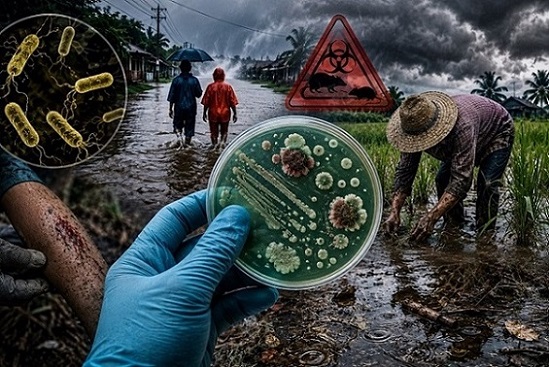 Thailand issues urgent rainy season warning as leptospirosis and soil fever deaths surpass 100 nationwide
According to surveillance data from the DDC’s Digital Disease Surveillance System covering January 1 to July 21, 2026, Thailand recorded 2,190 cases of leptospirosis, also known as rat urine fever, resulting in 30 deaths and a case fatality rate of 1.37 percent. During the same period, 1,654 people were diagnosed with melioidosis, commonly referred to as soil fever, leading to 77 deaths and a significantly higher fatality rate of 4.66 percent. Health officials stressed that the much higher mortality associated with melioidosis reflects the disease’s severity, especially among vulnerable individuals. This
Thailand Medical News report highlights the growing public health concern as seasonal conditions continue to favor transmission.
Why These Infections Become More Dangerous During the Rainy Season
Leptospirosis is caused by bacteria shed in the urine of infected animals, including rats, cattle, buffaloes, pigs, and dogs. Floodwater, wet soil, and mud become contaminated, allowing the bacteria to enter the body through cuts, abrasions, or the mucous membranes of the eyes, nose, and mouth. Symptoms generally appear within one to two weeks and include sudden high fever, severe headache, intense muscle pain, particularly in the calves and back, red eyes, nausea, and vomiting. If untreated, the infection can rapidly progress to kidney failure, liver failure, pulmonary hemorrhage, and death.
Melioidosis, caused by bacteria naturally present in soil and water across Thailand, can infect people through broken skin, inhalation of contaminated dust, drinking unsafe water, or consuming contaminated food. The incubation period averages four to nine days but may extend for months or even years. Patients commonly develop high fever, cough, shortness of breath, and abscesses affecting the skin, lungs, liver, or spleen. Severe infections frequently lead to bloodstream infection and septic shock, making rapid diagnosis critical. Individuals with diabetes, kidney disease, liver disease, chronic lung disease, weakened immune systems, and older adults face the greatest risk of severe illness and death.
Officials Urge Immediate Prevention and Early Medical Care
Health authorities are advising people to avoid walking barefoot through floodwater or mud whenever possible. Those whose work requires exposure to contaminated environments should wear protective boots, rubber gloves, and waterproof
coverings over any wounds. Washing thoroughly with soap after exposure, drinking only clean or boiled water, and avoiding outdoor exposure during storms or strong winds can further reduce infection risk. Anyone who develops fever, calf pain, muscle aches, cough, breathing difficulties, or infected wounds after contact with soil or floodwater should seek medical care immediately and inform healthcare providers about recent environmental exposure to ensure prompt diagnosis and treatment.
Outlook
The continuing increase in leptospirosis and melioidosis cases demonstrates how seasonal environmental conditions can rapidly amplify the spread of dangerous bacterial diseases. With fatalities already exceeding one hundred this year, public awareness, consistent use of protective equipment, early recognition of symptoms, and prompt medical intervention remain the most effective strategies for reducing severe complications and preventing additional deaths as Thailand moves deeper into the rainy season.
Reference:
https://ddc.moph.go.th/brc/news.php?news=59157&deptcode=brc
For the latest on leptospirosis and melioidosis infections in Thailand, keep on logging to
Thailand Medical News.




 Share
Share
 Tweet
Tweet
 Share
Share

































