The Phytochemical Celastrol from Tripterygium Wilfordii Slows Diabetic Kidney Damage
Nikhil Prasad Fact checked by:Thailand Medical News Team Dec 12, 2025 9 months, 3 weeks, 1 day, 23 hours, 8 minutes ago
Medical News: Herbal Hope Celastrol Slows Diabetic Kidney Damage by Targeting Cell Aging
A group of researchers from the School of Pharmaceutical Sciences at Shandong First Medical University and the Shandong Academy of Medical Sciences in China has found that celastrol, a natural compound from the traditional Chinese herb Tripterygium wilfordii, may help slow the progression of diabetic kidney disease by stopping harmful cell aging processes. This
Medical News report highlights a significant development in managing a condition that affects millions of people living with diabetes.
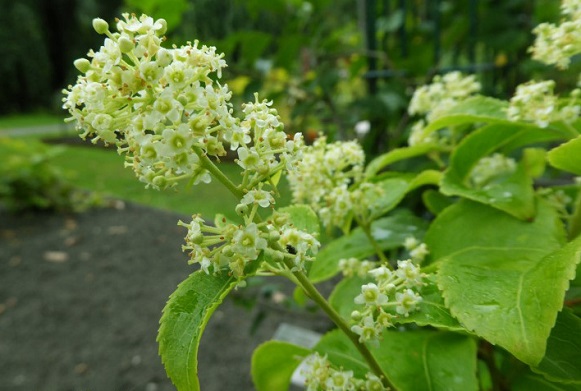 Celastrol from a traditional herb shows promise in halting diabetic kidney disease progression
Diabetic kidney disease, also known as diabetic nephropathy, is one of the most serious complications in diabetes and is a leading cause of kidney failure. It occurs when high blood sugar levels damage tiny blood vessels in the kidneys, causing them to function poorly over time. The researchers focused on how a key problem in the disease—accelerated aging of kidney cells—could be reversed by celastrol.
Why Cell Aging Matters in Kidney Disease
In diabetes, kidney cells such as tubular epithelial cells often become senescent, meaning they enter a damaged and inactive state. These old cells stop working properly but also release harmful substances that lead to inflammation and further tissue damage. This cellular aging is driven by chronic high glucose levels, oxidative stress, and damage to cell powerhouses called mitochondria. The researchers found that under high glucose conditions, kidney cells showed signs of aging, inflammation, and mitochondrial damage.
Celastrol was tested to see if it could stop or reverse this process. Laboratory experiments showed that when human kidney cells were exposed to high glucose, they aged rapidly and showed increased activation of inflammation-related proteins such as NF-κB and AKT1. However, when celastrol was added, these harmful effects were significantly reduced.
How Celastrol Helped in Lab and Animal Tests
In cell experiments, celastrol improved mitochondrial health and reduced the levels of reactive oxygen species (ROS), which are harmful molecules linked to aging and inflammation. It also reduced levels of markers like p16 and p21 that indicate cellular aging. Furthermore, celastrol lowered the expression of inflammatory substances such as IL-1β, MCP1, and TNF-α, which are involved in tissue damage in diabetic kidneys.
In tests on diabetic rats, celastrol reduced kidney damage by lowering blood sugar levels, protein in urine, and markers of kidney dysfunction such as serum creatinine and urea nitrogen. Importantly, tissue analysis showed that celastrol improved kidney structure and reduced signs of fibrosis and inflammation. The herbal compound also decreased the activation of NF-κB and AKT1 in kidney tissues, reinforcing its anti-inflammatory and anti-aging properties.
Natural Compound with Low To
xicity and Strong Results
Despite its strong effects, celastrol worked well even at low doses. This is promising because it means the compound could help reduce the metabolic burden on patients while minimizing potential side effects. In the rat study, the low-dose group showed good results without signs of toxicity to the liver or heart.
Researchers believe celastrol’s strength lies in its ability to regulate several interconnected processes at once: it controls inflammation, protects mitochondria, and halts cell aging. These combined effects make it a strong candidate for future diabetic kidney disease treatments.
Final Thoughts
Celastrol shows strong potential to become a new treatment for diabetic kidney disease by addressing the root causes of the condition—especially cell aging and inflammation. With its ability to protect kidney cells and improve function in both lab-grown cells and diabetic animals, celastrol could one day help patients manage or even slow this dangerous diabetes-related complication. Its natural origin and effectiveness at low doses make it especially appealing as a future therapy. Further clinical studies will be needed to confirm its safety and effectiveness in humans, but this research marks an important step forward.
The study findings were published in the peer reviewed journal: Frontiers in Aging
https://www.frontiersin.org/journals/aging/articles/10.3389/fragi.2025.1657947/full
For the latest on Herbs and Phytochemicals, keep on logging to
Thailand Medical News.
Read Also:
https://www.thailandmedical.news/articles/nephrology-(kidneys)
https://www.thailandmedical.news/articles/herbs-and-phytochemicals
https://www.thailandmedical.news/articles/diabetes




 Share
Share
 Tweet
Tweet
 Share
Share