Nikhil Prasad Fact checked by:Thailand Medical News Team Feb 18, 2026 6 months, 1 week, 5 days, 15 hours, 1 minute ago
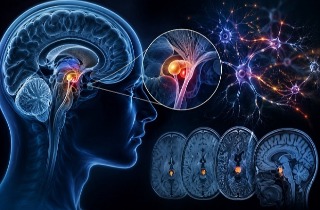
Medical News: A growing body of scientific evidence suggests that thyroid hormones—long known for controlling metabolism—may also play a powerful role in protecting the brain and slowing devastating neurological diseases such as Alzheimer’s disease, Parkinson’s disease, and multiple sclerosis. Researchers from the Department of Thyropathy at Beijing University of Chinese Medicine, the Lixing Traditional Chinese Medicine Hospital in Kaifeng, Tongxu No.1 Hospital in Kaifeng, the Thyropathy Hospital at Sun Simiao Hospital in Tongchuan, and the Lunenfeld-Tanenbaum Research Institute at Mount Sinai Hospital in Toronto have published an extensive review exploring this critical link.
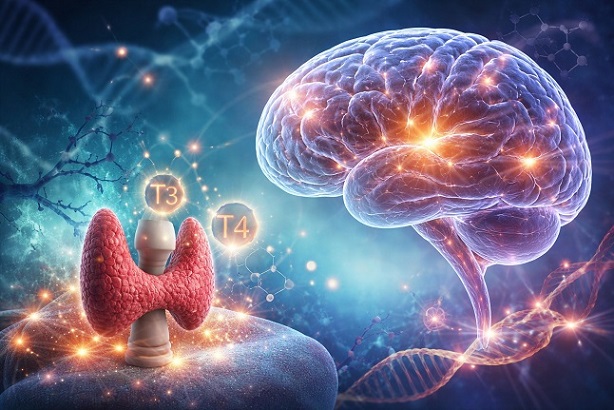 Scientists discover thyroid hormones may play a crucial role in preventing Alzheimer’s and Parkinson’s disease progression
Why Thyroid Hormones Matter More Than Previously Thought
Scientists discover thyroid hormones may play a crucial role in preventing Alzheimer’s and Parkinson’s disease progression
Why Thyroid Hormones Matter More Than Previously Thought
Thyroid hormones, mainly thyroxine (T4) and triiodothyronine (T3), are essential chemical messengers produced by the thyroid gland. They regulate metabolism, energy production, and growth. However, scientists now understand that these hormones are also deeply involved in maintaining brain health. They help brain cells grow, develop, communicate, and survive.
This
Medical News report highlights how thyroid hormones influence key brain processes such as neurogenesis, which is the creation of new brain cells, and synaptogenesis, the formation of connections between brain cells. These connections are essential for memory, thinking, and motor function. When thyroid hormone levels fall too low or rise too high, these brain processes can become disrupted, increasing the risk of neurological decline.
The Dangerous Link Between Thyroid Imbalance and Alzheimer’s Disease
One of the most alarming discoveries is the relationship between thyroid dysfunction and Alzheimer’s disease, the most common cause of dementia. Researchers found that abnormal thyroid hormone levels may increase the buildup of harmful amyloid-beta plaques and tau proteins, which damage and kill brain cells.
Low levels of T3, in particular, have been associated with greater amyloid accumulation and faster cognitive decline. Thyroid dysfunction can also worsen inflammation, oxidative stress, and mitochondrial damage—all of which accelerate brain degeneration. At the same time, Alzheimer’s disease itself can further disrupt thyroid hormone signaling, creating a vicious cycle that worsens brain damage.
Parkinson’s Disease and Movement Disorders Also Affected
Thyroid hormone imbalance has also been linked to Parkinson’s disease, a condition that causes tremors, stiffness, and movement problems. The review showed that patients with Parkinson’s often have lower T3 levels and higher thyroid-stimulating hormone (TSH) levels. These changes are associated with worse motor symptoms, cognitive decline, and faster disease progression.
Thyroid hormones play a
key role in regulating mitochondrial function and energy production in brain cells. When hormone levels are abnormal, energy production fails, leading to brain cell damage and death. This helps explain why thyroid dysfunction can worsen both movement and cognitive symptoms.
Potential Breakthroughs in Future Treatments
Encouragingly, scientists believe thyroid hormone-based therapies could offer new treatment options. Certain thyroid hormone analogs, such as sobetirome, have shown promise in promoting remyelination, which repairs damaged nerve fibers. Other treatments using T3 supplementation have demonstrated the ability to reduce inflammation, protect brain cells, and improve survival in experimental models.
Researchers also found that thyroid hormones regulate key protective pathways in the brain, including anti-apoptotic proteins that prevent cell death. By restoring proper hormone balance, future treatments may slow or even prevent neurodegenerative diseases.
Environmental And Biological Factors Increase Risks
Environmental pollutants, including industrial chemicals and endocrine-disrupting substances, can interfere with thyroid hormone production and function. These disruptions can increase oxidative stress and inflammation in the brain, making neurodegeneration more likely.
Additionally, thyroid hormones regulate essential brain processes such as neurotransmission, energy metabolism, and immune responses. Any disruption in these systems can weaken brain resilience and accelerate neurological damage.
Conclusion
The review clearly demonstrates that thyroid hormones play a central role in protecting brain health and regulating critical neurological processes. Imbalances in these hormones can accelerate neurodegenerative diseases by promoting inflammation, oxidative stress, and brain cell death. Importantly, thyroid dysfunction and neurological diseases can worsen each other, forming a dangerous cycle. However, emerging therapies targeting thyroid hormone pathways offer hope for slowing disease progression and preserving cognitive function. Early detection and correction of thyroid hormone imbalances may become a crucial strategy in preventing or delaying devastating neurological disorders in the future.
The study findings were published in the peer reviewed journal: Brain Sciences.
https://www.mdpi.com/2076-3425/16/2/229
For the latest research on neurodegenerative diseases, keep on logging to Thailand
Medical News.
Read Also:
https://www.thailandmedical.news/articles/alzheimer,-dementia-




 Share
Share
 Tweet
Tweet
 Share
Share