Nikhil Prasad Fact checked by:Thailand Medical News Team Feb 18, 2026 6 months, 1 week, 5 days, 21 hours, 1 minute ago
Medical News: A growing body of scientific research is revealing that medicinal plants long used in traditional healing systems may offer real hope for people suffering from Major Depressive Disorder (MDD), one of the world’s most common and debilitating mental health conditions. Scientists from the Graduate Program in Neurosciences at the Federal University of Santa Catarina in Florianópolis, Brazil, and the Graduate Program in Biomedical Sciences at the Federal University of Fronteira Sul in Chapecó, Brazil, conducted an extensive scientific review examining how various medicinal plants affect depression biology and symptoms.
 Scientists discover medicinal plants can safely improve brain chemistry and relieve depression symptoms
Why Depression Needs Better Treatment Options
Scientists discover medicinal plants can safely improve brain chemistry and relieve depression symptoms
Why Depression Needs Better Treatment Options
Major Depressive Disorder affects millions globally and can cause persistent sadness, fatigue, loss of interest, sleep problems, and difficulty concentrating. Although modern antidepressants help many patients, they often fail to provide complete relief. Some individuals experience serious side effects, while others do not respond to treatment at all. This has led scientists to explore plant-based therapies that may offer safer and more effective alternatives.
This
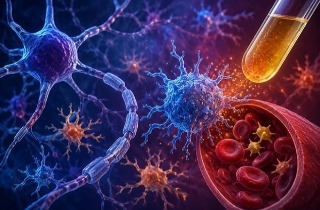
Medical News report highlights that medicinal plants are especially promising because they work through multiple biological pathways rather than targeting only one mechanism. Unlike many conventional drugs, these plants can influence brain chemistry, reduce inflammation, protect brain cells, and improve the body’s stress response system simultaneously.
Powerful Effects on Brain Chemistry and Inflammation
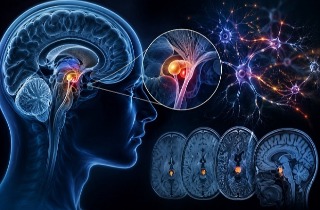
One of the most important findings is that medicinal plants can directly regulate neurotransmitters such as serotonin, dopamine, and norepinephrine. These chemicals play a crucial role in controlling mood and emotional balance. Low levels of these neurotransmitters are strongly linked to depression.
Certain plants, such as St. John’s wort (Hypericum perforatum), have shown effectiveness comparable to prescription antidepressants in clinical trials. Patients taking standardized extracts experienced significant improvement in depression scores, and importantly, fewer side effects compared to conventional drugs like paroxetine. In one trial, adverse reactions occurred in only 19 percent of plant-treated patients compared to 61 percent of those taking standard medication.
Other plants, including Rhodiola rosea, were shown to increase serotonin levels and stimulate the growth of new brain cells in regions responsible for emotional regulation. These changes help restore brain function and improve mood naturally.
Reducing Brain Damage Linked to Depression
The researchers found that medicinal plants can also reduce harmful inflammation and oxidative stress in the brain. These damaging processes contribute significantly to depression development. Bioactive compounds in plants lower inflammatory mol
ecules such as tumor necrosis factor and interleukin-1 beta, which are known to disrupt brain function.
Plants like Melissa officinalis (lemon balm) and Withania somnifera (ashwagandha) were shown to increase levels of brain-derived neurotrophic factor (BDNF), a key protein responsible for brain repair, growth, and resilience. Higher BDNF levels are associated with improved mood and recovery from depression.
Clinical Improvements and Safety Advantages
Several clinical trials showed measurable improvements in patients taking plant-based treatments. For example, Rhodiola rosea reduced depression severity scores and showed fewer adverse effects than standard antidepressants.
Similarly, Melissa officinalis was found to be as effective as fluoxetine in treating mild to moderate depression but caused fewer side effects.
Curcumin, the active compound in turmeric, also demonstrated significant antidepressant benefits in human studies. Participants taking curcumin experienced improved mood and emotional stability without major safety concerns.
Important Safety Considerations Still Remain
Despite these promising results, researchers warn that medicinal plants must be used carefully. Some plant compounds can interact with prescription medications or affect liver metabolism. Variations in plant quality and dosage can also influence effectiveness and safety.
Scientists emphasized the need for standardized formulations and long-term clinical trials to ensure consistent and reliable treatment outcomes.
Conclusion
This comprehensive scientific review confirms that medicinal plants offer real potential as effective treatments or supportive therapies for depression. By improving neurotransmitter balance, reducing inflammation, protecting brain cells, and strengthening stress response systems, these natural compounds address multiple root causes of depression. However, while the evidence is promising, medicinal plants should not yet replace conventional treatment without medical supervision. Continued research, proper standardization, and clinical validation will be essential before these therapies can be fully integrated into mainstream mental health care. The findings represent an important step toward safer, more holistic approaches for managing depression and improving patient quality of life.
The study findings were published in the peer reviewed journal: Brain Sciences.
https://www.mdpi.com/2076-3425/16/2/223
For the latest on Herbs and Phytochemicals, keep on logging to Thailand
Medical News.
Read Also:
https://www.thailandmedical.news/articles/mental-health
https://www.thailandmedical.news/articles/herbs-and-phytochemicals




 Share
Share
 Tweet
Tweet
 Share
Share