Study Finds That Immune Cells Linked to Epstein-Barr Virus Plays a Role in the Development of Multiple Sclerosis
Nikhil Prasad Fact checked by:Thailand Medical News Team Feb 05, 2026 6 months, 2 weeks, 15 hours, 11 minutes ago
Medical News: New Evidence Strengthens Long-Suspected Viral Link to MS
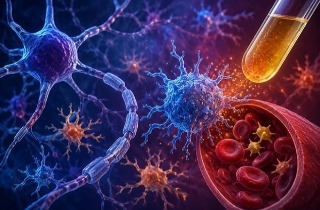
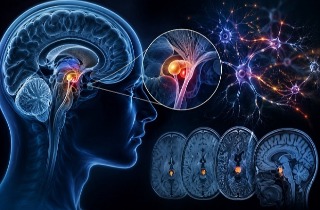
Researchers from the University of California San Francisco (UCSF), including scientists from the UCSF Weill Institute for Neurosciences and the Department of Neurology, have identified new immune mechanisms that help explain how Epstein-Barr virus (EBV) may contribute to the development of multiple sclerosis (MS). MS is a chronic autoimmune disease that damages the brain and spinal cord and affects nearly one million people in the United States alone. This
Medical News report sheds light on how a common virus could spark a harmful immune reaction inside the central nervous system.
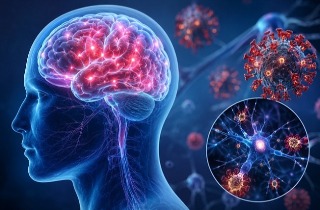
 New research shows how a common virus may trigger harmful immune attacks in multiple sclerosis.
Why Epstein-Barr Virus Has Long Been Under Suspicion
New research shows how a common virus may trigger harmful immune attacks in multiple sclerosis.
Why Epstein-Barr Virus Has Long Been Under Suspicion
EBV is extremely widespread, with about 95 percent of adults worldwide carrying the virus, often without symptoms. For years, scientists have observed that almost everyone who develops MS has previously been infected with EBV. However, exactly how the virus might trigger MS has remained unclear. The new study provides important clues by focusing on immune cells that have not received as much attention in earlier MS research.
The Role of Killer T Cells in MS
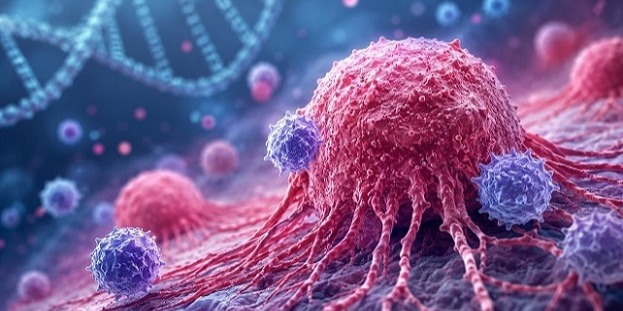
Most previous studies concentrated on CD4+ T cells, which help coordinate immune responses. In contrast, this research examined CD8+ “killer” T cells, which can directly destroy infected or damaged cells. Led by senior author Joe Sabatino, MD, PhD, the UCSF team analyzed blood and cerebrospinal fluid (CSF) samples from 13 people with MS or early signs of the disease and compared them with samples from five individuals without MS. The researchers specifically looked at CD8+ T cells that recognized certain proteins.
A Striking Difference Inside the Nervous System
In people without MS, these protein-recognizing killer T cells appeared in similar amounts in both blood and CSF. In people with MS, however, the same cells were found at levels between 10 and 100 times higher in the CSF than in the blood. This dramatic difference suggests that the immune system is unusually active inside the brain and spinal cord of MS patients. Importantly, several of these expanded CD8+ T cells were shown to recognize EBV-related antigens.
Evidence of Active EBV in the Brain
The study also detected EBV DNA and active viral genes in the CSF of most participants. Notably, one EBV gene was active only in individuals with MS, indicating it may help drive the excessive immune response seen in the disease. These findings support the idea that EBV may reactivate in the central nervous system and trigger an aggressive immune reaction that damages myelin, the protective coating around nerve fibers.
Implications Beyond Multiple Sclerosis
EBV has already been linked to other autoimmune conditions such as lupus and rheumatoid arthritis
, as well as long COVID. By clearly identifying EBV-specific killer T cells inside the nervous system, the study strengthens the argument that targeting EBV could offer new treatment strategies not only for MS but potentially for other immune-related disorders.
Conclusions and Future Directions
The researchers conclude that highly expanded EBV-reactive CD8+ T cells in the cerebrospinal fluid represent a key piece of the MS puzzle. While more studies with larger patient groups are needed, the findings strongly suggest that interfering with EBV activity could reduce harmful immune attacks in the brain. This opens the door to new diagnostic markers and therapies aimed at improving long-term outcomes and quality of life for people living with MS.
The study findings were published in the peer reviewed journal: Nature Immunology.
https://www.nature.com/articles/s41590-025-02412-3
For the latest on Multiple-Scleroses, keep on logging to Thailand
Medical News.
Read Also:
https://www.nature.com/articles/s41590-025-02412-3




 Share
Share
 Tweet
Tweet
 Share
Share