Nikhil Prasad Fact checked by:Thailand Medical News Team Apr 02, 2026 5 months, 17 hours, 29 minutes ago
Medical News: A Global Diet Shift Raising Serious Health Concerns
In recent decades, the way people eat has changed dramatically. Packaged snacks, sugary drinks, instant meals, and processed meats have become everyday staples across the world. These so-called ultra-processed foods are designed for convenience, long shelf life, and intense taste - but growing scientific evidence suggests they may come at a serious cost to health.
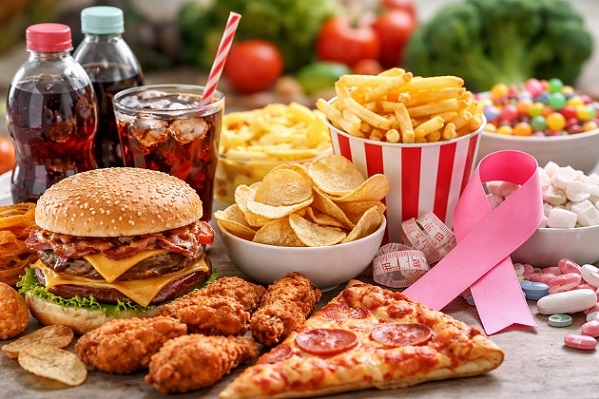 Ultra-processed foods may fuel obesity inflammation and hormonal changes that raise breast cancer risk
A new scientific review warns that these foods could play a major role in increasing the risk of breast cancer, primarily by driving obesity, chronic inflammation, and hormonal imbalances. Researchers highlight that this dietary shift is not just a lifestyle trend but a growing public health concern with long-term consequences.
What Exactly Are Ultra-Processed Foods
Ultra-processed foods are industrial products made mostly from refined ingredients, additives, and substances not typically used in home cooking. These include items like soft drinks, packaged snacks, instant noodles, processed meats, and ready-to-eat meals.
Unlike fresh or minimally processed foods, they are often high in sugar, unhealthy fats, and salt while lacking fiber and essential nutrients. Their formulation is carefully engineered to be highly appealing, encouraging people to eat more than they need.
How These Foods Trigger Weight Gain and Obesity
One of the strongest links identified in the research is between ultra-processed food consumption and obesity. These foods are energy-dense and easy to overconsume, often leading to excess calorie intake without providing lasting fullness.
Studies have shown that people consuming diets rich in ultra-processed foods tend to eat faster and consume more calories overall. Even when meals are matched for nutrients, ultra-processed diets often result in weight gain compared to diets based on whole foods.
This weight gain is critical because excess body fat is not just stored energy - it behaves like an active organ that releases hormones and inflammatory substances that can promote cancer development.
The Dangerous Role of Body Fat in Cancer Development
Obesity creates a biological environment that favors tumor growth. Fat tissue produces estrogen, especially after menopause, and higher estrogen levels are strongly linked to certain types of breast cancer.
At the same time, excess fat triggers chronic low-grade inflammation. This ongoing inflammation damages cells, disrupts normal biological processes, and creates conditions that allow cancer cells to grow and spread.
As fat cells enlarge, they can become deprived of oxygen, leading to further inflammation and the release of harmful signaling molecules. These changes collectively create what scientists describe as a tumor-friendly environment.
Beyond Obesity - Direct Harm from Food Additives
This
pan style="font-size:16px">Medical News report highlights that ultra-processed foods may also contribute to cancer risk in more direct ways. Many of these foods contain additives, artificial ingredients, and compounds formed during high-temperature cooking.
For instance, certain chemicals formed during frying or baking of carbohydrate-rich foods have been identified as potential carcinogens. Industrial trans fats and other synthetic ingredients may also play a role in increasing cancer risk independently of weight gain.
Additionally, these foods can disrupt the gut microbiome - the community of bacteria that plays a key role in immunity and hormone regulation. An imbalance in gut bacteria may further increase cancer risk.
Impact on Hormones and the Immune System
Ultra-processed foods also interfere with the body’s hormonal balance and immune defenses. Diets high in these foods can lead to insulin resistance, unstable blood sugar levels, and abnormal hormone signaling.
At the same time, they weaken the immune system’s ability to detect and destroy abnormal cells. Changes in gut health and persistent inflammation can reduce the body’s natural defenses against tumor formation.
The Bigger Picture - A Preventable Risk Factor
Researchers emphasize that ultra-processed foods represent a preventable and modifiable risk factor. Unlike genetic predisposition, dietary habits can be changed, making this an important area for cancer prevention.
Reducing intake of these foods and replacing them with fresh, minimally processed options such as fruits, vegetables, whole grains, and lean proteins may significantly lower the risk of obesity and related cancers.
Conclusion
The growing body of evidence clearly shows that ultra-processed foods are more than just empty calories. They actively disrupt metabolic, hormonal, and immune systems in ways that promote breast cancer development. From driving obesity and inflammation to altering gut health and exposing the body to harmful compounds, these foods create multiple pathways that increase cancer risk. Addressing this issue requires both individual dietary changes and broader public health strategies to reduce reliance on ultra-processed foods and encourage healthier eating patterns across populations.
The study findings were published in the peer reviewed International Journal of Molecular Sciences.
https://www.mdpi.com/1422-0067/27/7/3173
For the latest on breast cancer, keep on logging to Thailand
Medical News.
Read Also:
https://www.thailandmedical.news/articles/cancer
https://www.thailandmedical.news/articles/diets-and-nutrition




 Share
Share
 Tweet
Tweet
 Share
Share

































