Nikhil Prasad Fact checked by:Thailand Medical News Team Jan 20, 2026 6 months, 3 days, 14 hours, 15 minutes ago
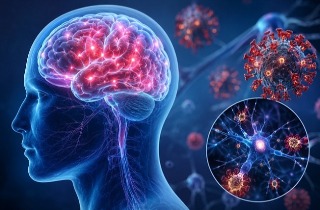
Medical News: A growing body of scientific evidence is now revealing that Long COVID is far more than a lingering respiratory problem. Instead, it appears to be a complex condition involving the gut, the immune system, and the brain, all interacting in damaging ways that can leave patients with persistent fatigue, brain fog, mood changes, and neurological symptoms months after the initial infection.
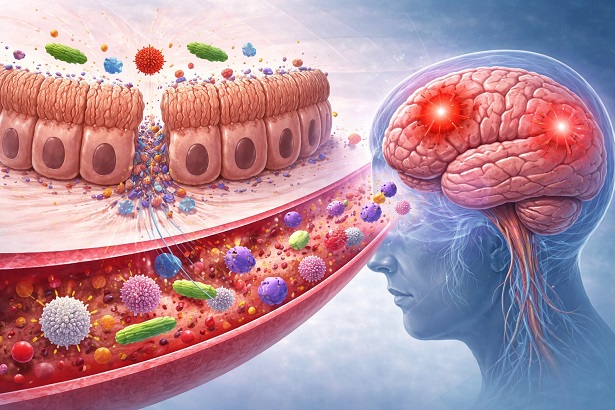 Scientists reveal how gut damage and lingering viral fragments may fuel brain inflammation in Long COVID patients
According to researchers from leading Canadian institutions, Long COVID may be driven by a dangerous chain reaction that begins in the intestines, spreads through the bloodstream, and ultimately disrupts the brain. This
Medical News report highlights how damage to the gut barrier, lingering viral fragments, and immune system malfunction may together explain why so many people struggle to recover fully after COVID-19.
Researchers And Institutions Involved
The research team includes scientists from the Montreal Clinical Research Institute, Université de Montréal, Centre Hospitalier de l’Université de Montréal, and the University of Alberta, including its Faculty of Medicine and Dentistry, Alberta Respiratory Centre, Alberta Health Services, and the Women and Children’s Health Research Institute.
How The Virus Disrupts the Gut
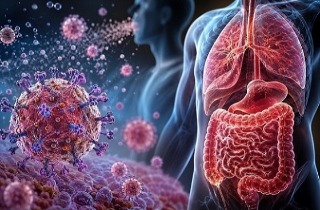
While COVID-19 is best known for affecting the lungs, the virus also infects the digestive tract. The intestinal lining contains high levels of the same receptors the virus uses to enter cells. Once infected, the gut can become inflamed, and the tightly sealed intestinal wall may weaken. This creates what scientists often call a “leaky gut.”
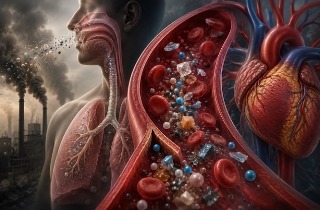
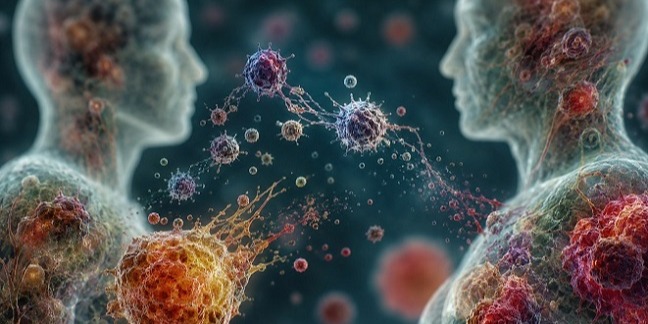
When this protective barrier breaks down, bacteria and fungal particles that normally stay inside the intestines can leak into the bloodstream. These foreign substances trigger constant immune activation, keeping the body in a state of low-grade inflammation long after the original infection has passed.
Viral Remnants Keep the Immune System on Alert
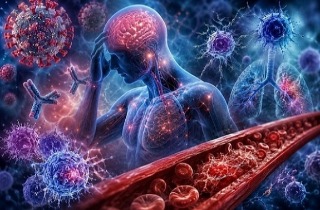
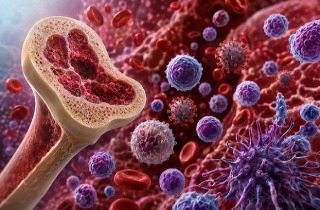
The study also shows that fragments of the virus, especially parts of the spike protein, can persist in the body for months or even longer. These viral remnants have been detected in blood, immune cells, and tissues such as the gut. Even though the virus may no longer be actively replicating, these leftover pieces can continue to irritate the immune system.
This ongoing immune stimulation can exhaust immune cells, promote autoimmunity, and disrupt normal immune balance, creating symptoms that resemble other chronic inflammatory conditions.
From The Gut to The Brain
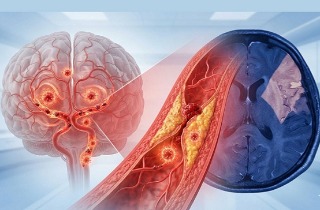
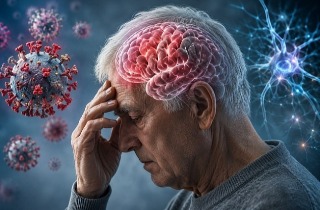
One of the most concerning findings is how this chronic inflammation may affect the brain. Inflammatory molecules and microbial toxins circulating in the blood can weaken the blood brain barrier, the structure that normally protects the brain from harmful substances. On
ce compromised, inflammatory signals can enter brain tissue, activating immune cells in the brain and causing neuroinflammation.
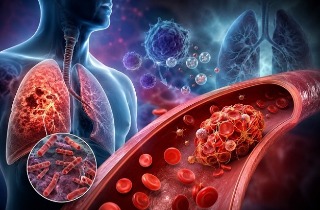
This process may explain common Long COVID symptoms such as memory problems, difficulty concentrating, headaches, depression, anxiety, and sleep disturbances. Reduced blood flow caused by microclots and inflammation may further worsen brain function.
Conclusions And Future Directions
The findings strongly suggest that Long COVID is driven by overlapping biological processes rather than a single cause. Viral persistence, gut barrier damage, immune dysfunction, and brain inflammation appear to reinforce each other, creating a cycle that is difficult to break. Understanding these connections opens the door to new treatment strategies focused on reducing viral remnants, healing the gut lining, calming immune overactivity, and protecting the brain. Early antiviral treatment and targeted therapies may help prevent long-term damage and improve recovery outcomes for millions affected worldwide.
The study findings were published in the peer reviewed journal: Frontiers in Aging Neuroscience.
https://www.frontiersin.org/journals/aging-neuroscience/articles/10.3389/fnagi.2025.1744415/full
For the latest on Long COVID, keep on logging to Thailand
Medical News.
Read Also:
https://www.thailandmedical.news/articles/long-covid




 Share
Share
 Tweet
Tweet
 Share
Share