Nikhil Prasad Fact checked by:Thailand Medical News Team Apr 06, 2026 4 months, 3 weeks, 5 days, 11 hours, 33 minutes ago
Medical News: A new scientific study has revealed that an extract derived from the lily bulb, a traditional herbal ingredient widely used in East Asia, may hold remarkable potential in reducing seizures and restoring brain balance. The findings suggest that this natural compound could offer a new direction for treating epilepsy, a condition that affects millions worldwide.
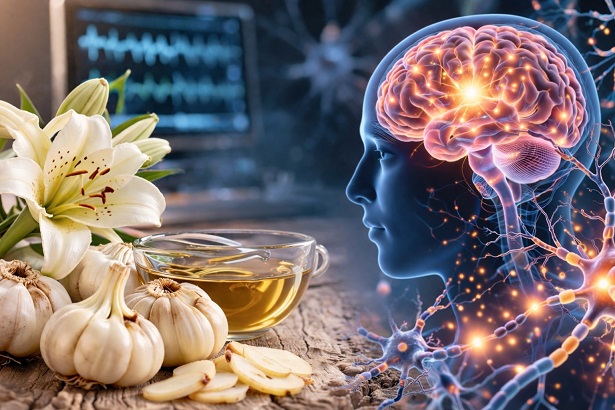 Natural lily bulb extract shows strong potential to reduce seizures and restore brain balance
Understanding Epilepsy and the Need for Better Treatments
Natural lily bulb extract shows strong potential to reduce seizures and restore brain balance
Understanding Epilepsy and the Need for Better Treatments
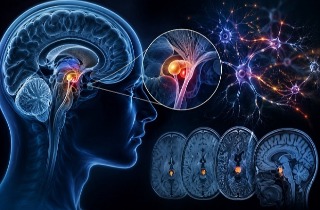
Epilepsy is a neurological disorder marked by repeated seizures caused by abnormal electrical activity in the brain. While current medications can help control symptoms, many patients continue to experience seizures or suffer from unwanted side effects. This has driven scientists to search for safer and more effective alternatives that address the root causes of the condition.
What the Study Investigated
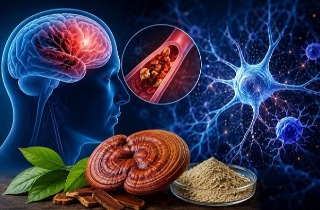
Researchers from the Korea Institute of Oriental Medicine (KIOM), Daejeon, Republic of Korea conducted experiments using a well-established animal model of epilepsy. They focused on a water extract of Lilii bulbus—commonly known as lily bulb—to determine whether it could reduce seizure activity and protect brain cells.
The extract was given to mice over several weeks before and during seizure induction. The goal was to observe not just symptom control, but also deeper changes in brain function.
Dramatic Reduction in Seizure Severity
The results were striking. Mice treated with the lily bulb extract experienced significantly fewer and less severe seizures. The time it took for seizures to begin was notably delayed, and the duration of seizures was shorter compared to untreated animals.
For example, seizure onset was more than doubled in treated mice, while seizure duration dropped considerably. These improvements point to a strong anticonvulsant effect, suggesting that the extract directly influences how the brain responds to seizure triggers.
How the Extract Works in the Brain
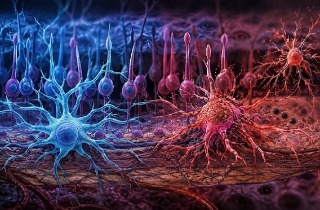
The study went deeper to understand why these effects occurred. Seizures often result from an imbalance between excitatory and inhibitory signals in the brain. When excitatory signals overpower inhibitory ones, neurons become overactive, leading to seizures.
This
Medical News report highlights that the lily bulb extract appears to restore this balance. It enhances the function of inhibitory brain cells that use a chemical messenger called GABA, which helps calm excessive neuronal activity.
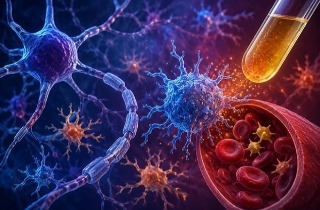
Researchers found that the extract increased levels of key proteins and genes involved in GABA signaling. These included markers that help maintain stable communication between brain cells and prevent overexcitation.
Suppressing Brain Hyperactivity
Advanced imaging techniques showed that treated
mice had significantly lower levels of abnormal brain activity. The extract reduced excessive calcium signaling in neurons, which is often linked to seizure activity.
Additionally, structural changes in brain cells were observed. The extract helped normalize the number of dendritic spines—tiny structures involved in neural communication—indicating improved brain stability.
Repairing Synaptic Connections
One of the most important discoveries was the extract’s effect on synapses, the connections between brain cells. Seizures can damage these connections, especially those responsible for inhibitory signaling.
The lily bulb extract restored key synaptic proteins such as gephyrin, neuroligin, and neurexin. These proteins are essential for maintaining strong inhibitory networks in the brain. By rebuilding these connections, the extract may help prevent future seizures from occurring.
A Natural Compound with Big Potential
The researchers also noted that the extract contains natural compounds like ferulic acid and p-coumaric acid. These are known for their antioxidant and neuroprotective properties, which may contribute to the overall benefits observed in the study.
Conclusion
The findings of this study suggest that lily bulb extract is not just reducing seizures temporarily but is actively repairing and stabilizing brain function at a molecular level. By restoring inhibitory signaling, reducing neuronal hyperactivity, and rebuilding damaged synaptic structures, it offers a promising multi-target approach to epilepsy treatment. While these results are based on animal models and human studies are still needed, the potential is significant. This natural compound could one day complement or even improve current therapies, especially for patients who do not respond well to existing medications. Its ability to address the underlying causes of seizures rather than just the symptoms makes it an exciting candidate for future neurological treatments.
The study findings were published in the peer reviewed journal: Nutrients.
https://www.mdpi.com/2072-6643/18/7/1159
For the latest on herbs and phytochemicals, keep on logging to Thailand
Medical News.
Read Also:
https://www.thailandmedical.news/articles/herbs-and-phytochemicals




 Share
Share
 Tweet
Tweet
 Share
Share