Taiwanese Researchers in 2021 Found That the Amino-Acid Lysine Shows Strong Potential to Block COVID-19 and Flu Infections
Kittisak Meepoon Fact checked by:Thailand Medical News Team Dec 04, 2025 9 months, 4 weeks, 2 days, 14 hours, 29 minutes ago
Medical News: Growing Interest in Everyday Nutrients as Antiviral Helpers
A past study had sparked global attention by revealing that a simple amino acid found in common foods could reduce the ability of dangerous viruses like SARS-CoV-2 and influenza A to infect human cells. Conducted by researchers from China Medical University Taichung, China Medical University Hospital Taichung, Academia Sinica Taiwan, Sinphar Pharmaceutical Co Ltd Yilan, and the Department of Medical Laboratory Science and Biotechnology at China Medical University, the work highlights how lysine and its derivative may interfere with the earliest steps of viral invasion. According to this
Medical News report, the findings provide surprising insight into how small nutritional compounds may influence infections.
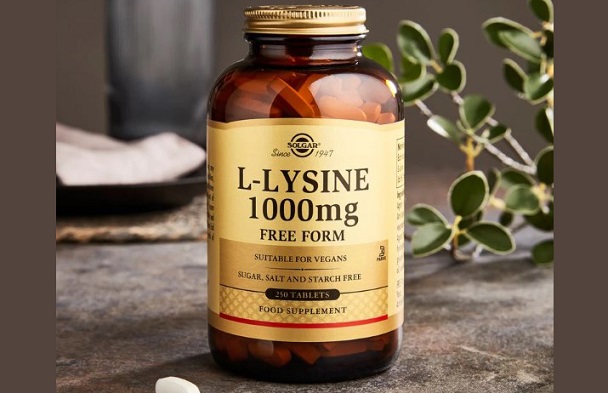 New research shows lysine may significantly reduce the ability of COVID-19 and flu viruses to infect human cells
How The Researchers Tested Lysine Against Viruses
New research shows lysine may significantly reduce the ability of COVID-19 and flu viruses to infect human cells
How The Researchers Tested Lysine Against Viruses
The Taiwanese research teams studied how two basic amino acids, lysine and arginine, and their chemical derivatives affect the ability of SARS-CoV-2 and influenza A to enter human cells. Using advanced cell-culture systems, they tracked how viral particles attach, move into cells, and release their genetic material. The full results showed that lysine and a compound called lysine ethyl ester sharply reduced the number of cells successfully infected, while an arginine derivative actually increased infection rates. Importantly, these effects occurred without damaging the cells, indicating a direct action on viral processes rather than toxicity.
Key Findings on Viral Blocking Mechanisms
Detailed experiments revealed that lysine does not stop the virus from attaching to the ACE2 receptor, nor does it interfere with the fusion of viral membranes with human cells. Instead, lysine appears to disrupt later stages—specifically uncoating, the critical moment when viruses release their genetic material inside cells. Tests on influenza A virus confirmed a similar effect. Viral RNA levels dropped drastically when lysine was present, with some samples showing reductions of more than 90 percent. Microscopy images presented in the study also showed that virus particles treated with lysine struggled to reach the cell nucleus, a key step required for influenza replication.
Why Arginine May Increase Infection Risk
An unexpected and important discovery was that the arginine derivative consistently boosted SARS-CoV-2 and influenza A infection levels. The researchers observed signs of altered ACE2 receptor processing when cells were exposed to this compound. While more study is needed, the results suggest people battling viral infections might benefit from limiting high-arginine foods while increasing lysine intake.
Final Insights for The Public
The study’s authors emphasize that their findings are based on controlled laboratory experiments, yet the strong antiviral activity of lysine suggests potential real-world benefits.
Their data indicate that lysine supplementation, combined with reduced dietary arginine, could help decrease viral entry and slow early infection. Although more clinical research is required, these results add to growing evidence that everyday nutrients may influence how aggressively viruses behave in the body. For now, lysine’s ability to interfere with both COVID-19 and influenza makes it a promising candidate for further exploration, particularly in settings where low-cost preventative tools are urgently needed.
The study findings were published in the peer reviewed journal: Viruses.
https://www.mdpi.com/1999-4915/13/7/1301
For the latest on Influenza and COVID-19, keep on logging to Thailand
Medical News.
Read Also:
https://www.thailandmedical.news/news/tmn-exclusive-can-lysine-possibly-prevent-sars-cov-2-persistence-and-also-help-those-with-long-covid-and-the-vaccinated
https://www.thailandmedical.news/news/lysine-supplements-as-adjuvant-to-treat-covid-19-and-also-as-a-prophylactic




 Share
Share
 Tweet
Tweet
 Share
Share

































