Nikhil Prasad Fact checked by:Thailand Medical News Team Sep 29, 2025 11 months, 3 days, 14 hours, 43 minutes ago
Medical News: A New Ocular Complication Emerges
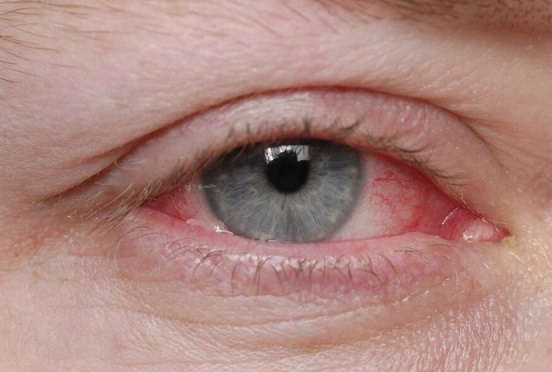
Researchers from The Second Clinical Medicine School at Southern Medical University, along with the Department of Ophthalmology and the Biomedical Innovation Center at The Sixth Affiliated Hospital of Sun Yat-sen University in Guangzhou, China, have documented a rare but concerning eye condition triggered after multiple COVID-19 infections. The condition, called immune-related peripheral keratopathy, involves damage to the outer edges of the cornea and may pose long-term risks to vision. This
Medical News report highlights why doctors and patients need to pay closer attention to eye health after COVID-19.
 Hidden Eye Risks Linked to Post COVID Syndrome
A Patient’s Struggle with Post-COVID Symptoms
Hidden Eye Risks Linked to Post COVID Syndrome
A Patient’s Struggle with Post-COVID Symptoms
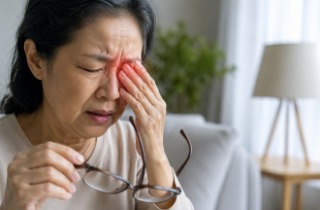
The study described a woman in her 30s with a history of mild dry eye disease. Following her third COVID-19 infection, she developed persistent eye redness, dryness, and a feeling like sand was stuck in her eyes. Upon examination, doctors found ulcers along the limbal region of her cornea in both eyes. She had also just completed treatment for pneumonia caused by a bacterial infection, which likely added stress to her already weakened immune system.
Her treatment involved a combination of topical antibiotics, corticosteroids, anti-inflammatory drops, artificial tears, and recombinant bovine basic fibroblast growth factor eye drops. Within nine weeks, her corneal ulcers healed completely, and her vision remained stable.
Why This Condition Happens
Scientists believe post-COVID syndrome triggers systemic immune dysregulation, meaning the body’s defense system goes into overdrive even after the virus is gone. This leads to an excessive release of inflammatory molecules like interleukin-6 and interleukin-1, which may damage corneal tissue. Previous studies have shown similar eye complications after COVID-19 infections or even vaccinations, reinforcing the link between immune imbalance and ocular injury.
In this patient, pre-existing dry eye disease worsened the situation. A disrupted tear film weakened her corneal defenses, making it easier for inflammation and pathogens to cause ulceration. The case highlights how a combination of lingering viral effects, immune changes, and underlying eye issues can set the stage for serious corneal damage.
Broader Implications
The researchers note that treatments combining corticosteroids, immunosuppressants, and growth factor-based drops may help in managing such cases. Early recognition and care are crucial, as untreated keratopathy can lead to scarring, long-term vision impairment, or even blindness.
This case emphasizes the need for more studies to confirm how post-COVID syndrome reshapes the immune system and its impact on eye health. For now, patients with repeated COVID-19 infections or long COVID symptoms should be alert to eye problems and seek medical care early.
Conclusion
The study provides compelling evidence that C
OVID-19 leaves behind hidden risks far beyond the lungs and heart. Eye complications like peripheral keratopathy may be overlooked but can cause lasting damage if not managed promptly. As scientists continue to unravel the long-term effects of the virus, this case shows why post-COVID care should include detailed eye examinations. Raising awareness among doctors and patients alike will be vital in preventing permanent vision loss in vulnerable individuals.
The study findings were published in the peer reviewed International Medical Case Reports Journal.
https://www.tandfonline.com/doi/full/10.2147/IMCRJ.S539734
For the latest COVID-19 News, keep on logging to Thailand
Medical News.
Read Also:
https://www.thailandmedical.news/news/new-research-links-covid-19-to-higher-rates-of-diabetic-retinopathy
https://www.thailandmedical.news/news/scientists-warn-that-covid-19-infections-found-to-subtly-alter-the-structure-of-the-retina
https://www.thailandmedical.news/news/doctors-in-china-warn-that-covid-19-can-cause-macular-damage




 Share
Share
 Tweet
Tweet
 Share
Share