



BREAKING NEWS
For the latest on Thailand Medical Industry, Thailand Doctors, Thailand Medical Research, Thailand Hospitals, Thailand Wellness Initiatives and the latest Medical News
 Share
Share
 Tweet
Tweet
 Share
Share
Medical News: Pulmonary Vascular and Airway Changes Found Months After COVID-19 Recovery
In a shocking revelation, researchers from Karolinska University Hospital and Karolinska Institutet in Sweden, in collaboration with the University Hospital of Heidelberg and the German Center of Lung Research, have discovered that pulmonary vascular and airway changes continue to persist in COVID-19 survivors long after they leave the hospital. Even eight months after discharge, many patients show signs of structural lung damage that could be silently sabotaging their breathing.
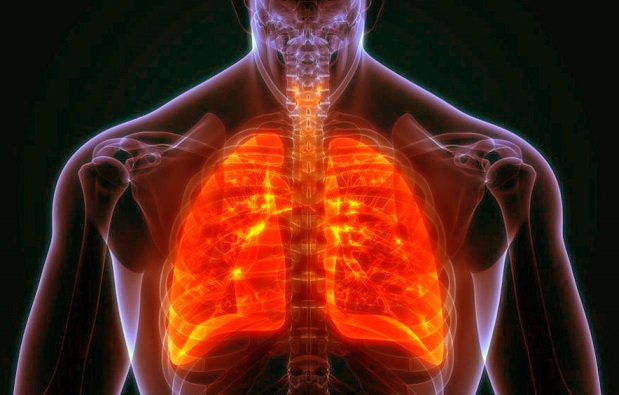
Shocking study finds hidden lung damage persists long after COVID-19 recovery due to airway and vascular remodeling
Using Functional Respiratory Imaging (FRI)—an advanced form of CT-based imaging—the researchers analyzed the lungs of previously hospitalized male COVID-19 patients. The results revealed reduced volumes of small pulmonary blood vessels and abnormal airway dilation, both of which were linked to lower DLCO, a key marker of the lungs’ ability to exchange gases efficiently. This Medical News report highlights that these changes could be responsible for the lingering breathlessness many patients face, even after recovering from the virus.
Lungs Still Damaged Long After Discharge
The study involved 26 men aged 50 to 69 who had been admitted for COVID-19 and were scanned around eight months after recovery. Those with lower DLCO readings—indicating impaired gas exchange—had lost a significant volume of their smallest pulmonary blood vessels (under 5 mm²), and also showed much higher airway-to-lung volume ratios (siVaw), suggesting chronic airway dilation or bronchial scarring.
On average, these patients had 16% less small vessel volume and their siVaw values were 149% of predicted, compared to 117% in those with normal lung function. Their total lung capacity was also drastically lower—just 72.5% of what would be expected—indicating a restrictive lung pattern possibly caused by fibrotic remodeling.
Airway Changes May Be Key Driver of Breathing Problems
Interestingly, the study showed that airway abnormalities (measured through siVaw) had a stronger link to reduced DLCO than small vessel loss. This means that airway remodeling—possibly due to inflammation or scarring—could play a larger role in long-term lung damage than previously thought. These structural abnormalities were not only persistent but in some cases may be irreversible without proper intervention.
The researchers believe that airway dilation seen in these patients reflects fibrotic changes or tissue contraction, both of which reduce the lungs’ ability to properly exchange gases. This lung remodeling is likely a result of the body’s response to initial COVID-19-induced inflammation and could explain why so many people continue to suffer symptoms months after “recovery.”
Call for Urgent Moni
toring and Targeted Care
The findings underscore the urgent need for long-term monitoring of lung function in COVID-19 survivors. Reduced DLCO levels may be a red flag for deeper underlying damage involving both the airways and blood vessels. Early identification of these pulmonary vascular and airway changes could help prevent further deterioration and guide personalized treatment strategies.
Doctors and researchers are now calling for larger studies to determine how widespread and long-lasting these changes may be—and whether they can be reversed.
The study findings were published in the peer reviewed journal: PLOS ONE
https://journals.plos.org/plosone/article?id=10.1371/journal.pone.0335075
For the latest COVID-19 News, keep on logging to Thailand Medical News.
Read Also:
https://www.thailandmedical.news/articles/long-covid
https://www.thailandmedical.news/articles/coronavirus

































